Shipping is positive on ‘Sustainable Transport Investment Plan’ but transition concerns remain – Euractiv
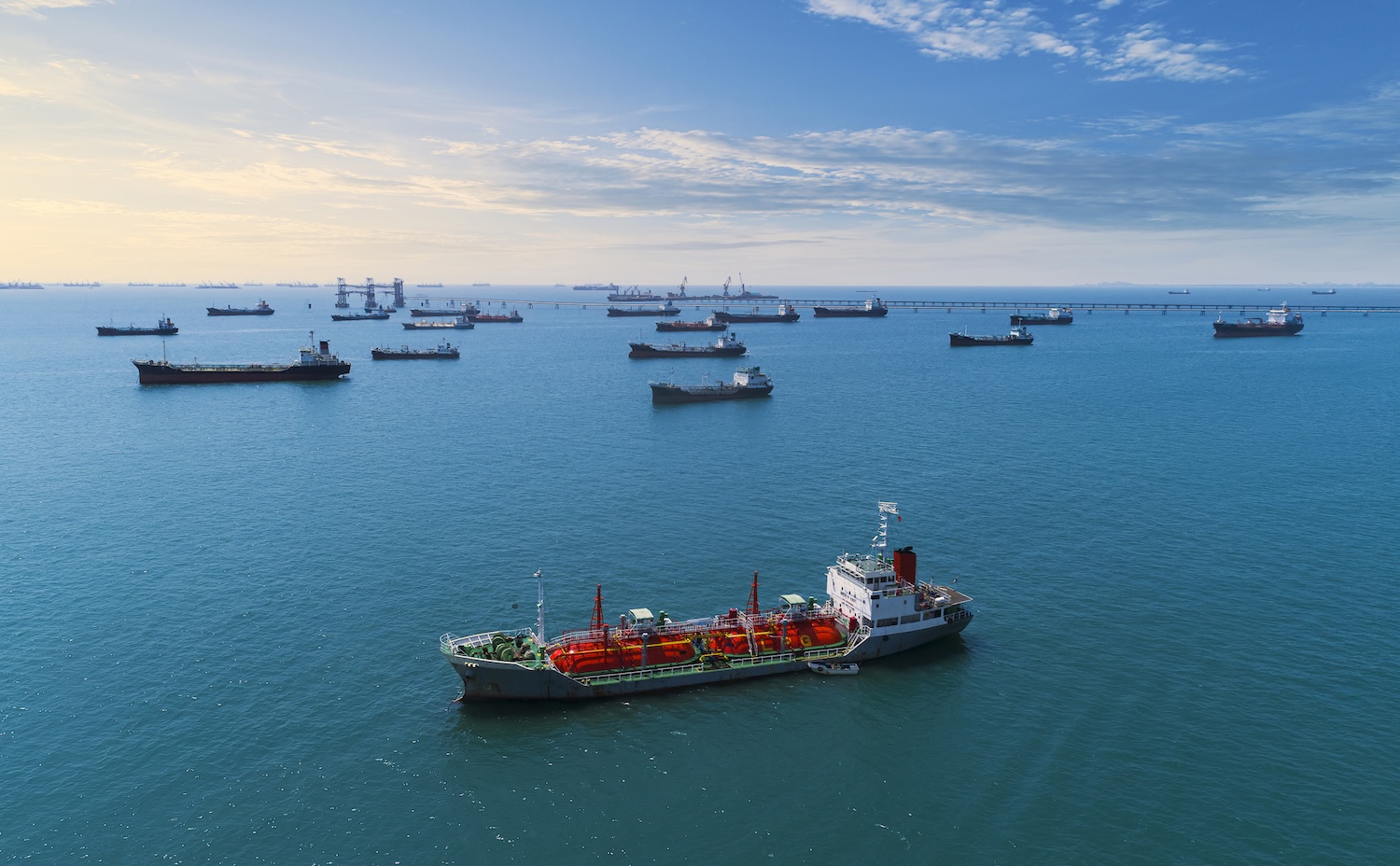
Report on the EU Sustainable Transport Investment Plan and its Implications for the Maritime Sector’s Contribution to Sustainable Development Goals
Introduction: Aligning Maritime Transport with Global Sustainability Targets
The European Commission has introduced a €2.9 billion Sustainable Transport Investment Plan (STIP) aimed at accelerating the adoption of clean fuels within the transport sector, with a strategic focus on aviation and waterborne transport. This initiative is a critical step towards achieving several Sustainable Development Goals (SDGs), primarily SDG 7 (Affordable and Clean Energy), SDG 9 (Industry, Innovation, and Infrastructure), and SDG 13 (Climate Action). While the maritime industry has welcomed the plan as a positive development, industry leaders have expressed concerns that the allocated funding may be insufficient to meet the scale of the required transition, highlighting the significant investment needed to align the sector with the EU’s net-zero ambitions and global climate objectives.
Analysis of Funding and Policy in Relation to SDG 7 and SDG 13
Investment Gaps and Financial Mechanisms
A significant disparity exists between the proposed funding and the investment required for a comprehensive energy transition in the maritime sector. This gap presents a major challenge to the timely achievement of SDG 7 and SDG 13.
- Projected Funding vs. Actual Need: The STIP is expected to mobilize €2.9 billion by 2027. However, an estimated €100 billion in investment is required by 2035 to produce the necessary volume of sustainable alternative fuels.
- Price Disparity: The current funding represents a small fraction of the investment needed to close the significant price gap between conventional fuels and their sustainable alternatives.
- Financing Model Concerns: The proposed double-sided auction model has raised concerns among shipowners, particularly bulk and tramp operators. This model may not align with the spot-market, non-contractual operations prevalent in much of the industry, potentially hindering equitable participation in the green transition.
Regulatory Framework and Supplier Mandates
A key concern identified by the shipping industry is the absence of a binding mandate on fuel suppliers within the STIP. While the plan acknowledges the need to accelerate the uptake of clean fuels, it does not legally require European suppliers to make Sustainable Marine Fuels (SMF) available across the market. This regulatory gap could impede progress towards SDG 7 by limiting the accessibility of clean energy sources for the maritime sector and subsequently slowing efforts under SDG 13 to decarbonize shipping.
Constructive Approaches Supporting Sustainable Development
Positive Elements within the STIP Framework
Despite the identified challenges, the STIP includes several constructive proposals that support the advancement of the SDGs.
- Recognition of Transitional Fuels: The plan’s explicit acknowledgment of Liquefied Natural Gas (LNG) as a transitional fuel supports a pragmatic, phased approach to emissions reduction, contributing to both SDG 7 and SDG 13.
- Promotion of Global Partnerships (SDG 17): The proposal encourages bilateral partnerships and the development of green shipping hubs in global markets. This fosters international cooperation and builds the sustainable infrastructure required under SDG 9.
- Innovative Financial Tools: The exploration of new financial instruments beyond the Innovation Fund, including a potential dedicated funding mechanism for the maritime sector, is a positive step towards de-risking the substantial investments needed for the clean energy transition.
- Utilisation of ETS Revenues for Climate Action (SDG 13): The plan’s proposal to use national Emissions Trading System (ETS) revenues to support clean fuel uptake directly links a key climate policy instrument with the financing of the energy transition. The shipping sector’s estimated €9 billion contribution to the ETS is seen as a vital source for narrowing the cost gap.
Sectoral Inclusivity and Competitiveness: Addressing SDG 8 and SDG 9
The STIP’s design reflects a broader understanding of the maritime industry’s operational diversity, which is crucial for fostering sustainable economic growth and innovation.
- Support for SMEs and Sectoral Diversity: The plan’s reference to small and medium-sized enterprises (SMEs) and the operational realities of the bulk and tramp sector—which constitutes a majority of European shipping—is a significant acknowledgment. This inclusive approach supports SDG 8 (Decent Work and Economic Growth) by safeguarding the competitiveness of diverse business models.
- Reduction of Administrative Burden: The Commission’s commitment to reviewing reporting requirements and simplifying rules, such as exploring a single MRV system for ETS and FuelEU Maritime, is welcomed. This directly supports SDG 9 by enhancing the operational efficiency and competitiveness of the European shipping industry, particularly for SMEs.
Future Outlook and Recommendations for Global Goal Alignment
Call for International Harmonisation and Policy Coherence
For the European maritime sector to remain competitive while pursuing decarbonisation, policy coherence at the global level is essential. Industry stakeholders strongly advocate for the EU to send a clear message that its climate legislation will be fully aligned with international measures adopted by the International Maritime Organization (IMO). This alignment is critical for maintaining a level playing field and advancing SDG 17 (Partnerships for the Goals) in the pursuit of global climate action.
Key Industry Recommendations for Advancing the SDGs
- Introduce a Binding Fuel Supplier Mandate: To guarantee the market availability of sustainable, safe, and compliant maritime fuels across EU ports, a binding mandate on fuel suppliers should be implemented. This is a crucial step for achieving SDG 7.
- Maintain Technological Neutrality: The Commission is urged to maintain a technology-neutral stance to foster innovation (SDG 9) and allow for a range of solutions to emerge for hard-to-abate sectors like shipping.
- Prioritise Administrative Simplification: Continued efforts to reduce the administrative and reporting burden are crucial to safeguard the competitiveness and operational efficiency of the sector, especially for SMEs, in line with the principles of SDG 8 and SDG 9.
Analysis of Sustainable Development Goals in the Article
1. Which SDGs are addressed or connected to the issues highlighted in the article?
- SDG 7: Affordable and Clean Energy
- SDG 8: Decent Work and Economic Growth
- SDG 9: Industry, Innovation, and Infrastructure
- SDG 13: Climate Action
- SDG 17: Partnerships for the Goals
2. What specific targets under those SDGs can be identified based on the article’s content?
-
SDG 7: Affordable and Clean Energy
- Target 7.2: By 2030, increase substantially the share of renewable energy in the global energy mix. The article’s central theme is the EU’s push to “accelerate the uptake of clean fuels,” specifically “renewable and low-carbon fuels” and “Sustainable Marine Fuels (SMF)” in the maritime and aviation sectors.
- Target 7.a: By 2030, enhance international cooperation to facilitate access to clean energy research and technology… and promote investment in energy infrastructure and clean energy technology. The article discusses the “€2.9 billion Sustainable Transport Investment Plan (STIP)” and the promotion of “bilateral partnerships and green shipping hubs in global markets to accelerate fuel production and infrastructure development.”
-
SDG 8: Decent Work and Economic Growth
- Target 8.3: Promote development-oriented policies that support productive activities… and encourage the formalization and growth of micro-, small- and medium-sized enterprises. The article highlights that the plan includes a “reference to small and medium-sized enterprises and the diversity of shipping segments” and a commitment to “review reporting requirements and simplify the rules” to reduce the “administrative burden, especially for SMEs.”
-
SDG 9: Industry, Innovation, and Infrastructure
- Target 9.1: Develop quality, reliable, sustainable and resilient infrastructure… to support economic development. The proposal to develop “green shipping hubs” directly supports the creation of sustainable infrastructure needed for the energy transition in the maritime sector.
- Target 9.4: By 2030, upgrade infrastructure and retrofit industries to make them sustainable, with increased resource-use efficiency and greater adoption of clean and environmentally sound technologies. The entire initiative is focused on transitioning the shipping industry to “clean fuels” and achieving “net zero,” which represents a major retrofitting of the sector to make it sustainable.
-
SDG 13: Climate Action
- Target 13.2: Integrate climate change measures into national policies, strategies and planning. The “Sustainable Transport Investment Plan (STIP)” is a clear example of a strategic framework that integrates climate change measures into EU transport policy. The article also mentions regulations like the “Renewable Energy Directive and FuelEU Maritime” and the “Emissions Trading System (ETS).”
-
SDG 17: Partnerships for the Goals
- Target 17.17: Encourage and promote effective public, public-private and civil society partnerships. The article describes the interaction between the European Commission (public) and industry bodies like the European Shipowners (ECSA) and the Union of Greek Shipowners (UGS) (private/civil society) in shaping the STIP. It also mentions a proposed “intermediary mechanism connecting fuel producers and buyers.”
3. Are there any indicators mentioned or implied in the article that can be used to measure progress towards the identified targets?
-
Financial Investment as an Indicator
- The article explicitly mentions financial figures that can serve as indicators for investment in clean energy infrastructure (Target 7.a). These include the “€2.9 billion” mobilized by the STIP by 2027 and the estimated “investment of some 100 billion euros” needed to meet fuel demands by 2035. Progress can be measured by tracking the actual funds mobilized and invested.
-
Quantity of Sustainable Fuels as an Indicator
- Progress towards increasing the share of renewable energy (Target 7.2) can be measured by the quantity of sustainable fuels produced and used. The article provides a specific benchmark: “around 20 million tons of sustainable alternative fuels will be needed by 2035.”
-
Price Gap as an Indicator
- The article mentions the “fourfold price gap between conventional and clean fuels.” A key indicator of the success of policies like STIP would be the reduction of this price gap, making clean fuels more economically viable and competitive.
-
Reduction of Administrative Burden as an Indicator
- For Target 8.3, progress can be measured by changes in policy and regulation. The article mentions the Commission’s commitment to “review reporting requirements and simplify the rules” and to explore a “single MRV system.” An indicator would be the implementation and effectiveness of these simplified rules for SMEs.
-
Emissions Reduction as an Indicator
- The overarching goal of “getting to net zero” and achieving “emissions reduction” (Target 13.2) implies that the primary indicator is the measured reduction in greenhouse gas emissions from the maritime sector. The use of “national Emissions Trading System (ETS) revenues” is a policy tool whose impact on emissions can be measured.
4. Table of SDGs, Targets, and Indicators
| SDGs | Targets | Indicators Identified in the Article |
|---|---|---|
| SDG 7: Affordable and Clean Energy | 7.2: Increase the share of renewable energy. 7.a: Promote investment in clean energy infrastructure. |
– Quantity of sustainable alternative fuels needed by 2035 (20 million tons). – Financial investment mobilized (€2.9 billion from STIP, €100 billion required). – Reduction in the price gap between conventional and clean fuels. |
| SDG 8: Decent Work and Economic Growth | 8.3: Promote policies that support small- and medium-sized enterprises (SMEs). | – Implementation of simplified reporting requirements for SMEs. – Creation of a single MRV system to reduce administrative burden. |
| SDG 9: Industry, Innovation, and Infrastructure | 9.1: Develop sustainable and resilient infrastructure. 9.4: Upgrade industries to make them sustainable. |
– Development of “green shipping hubs.” – Rate of uptake of clean fuels and low-carbon technologies by the shipping industry. |
| SDG 13: Climate Action | 13.2: Integrate climate change measures into policies and strategies. | – Reduction in greenhouse gas emissions from the maritime sector. – Amount of national Emissions Trading System (ETS) revenues used to support clean-fuel uptake. |
| SDG 17: Partnerships for the Goals | 17.17: Encourage effective public-private partnerships. | – Establishment of an “intermediary mechanism connecting fuel producers and buyers.” – Alignment of EU policies with international (IMO) measures. |
Source: euractiv.com
What is Your Reaction?
 Like
0
Like
0
 Dislike
0
Dislike
0
 Love
0
Love
0
 Funny
0
Funny
0
 Angry
0
Angry
0
 Sad
0
Sad
0
 Wow
0
Wow
0