















































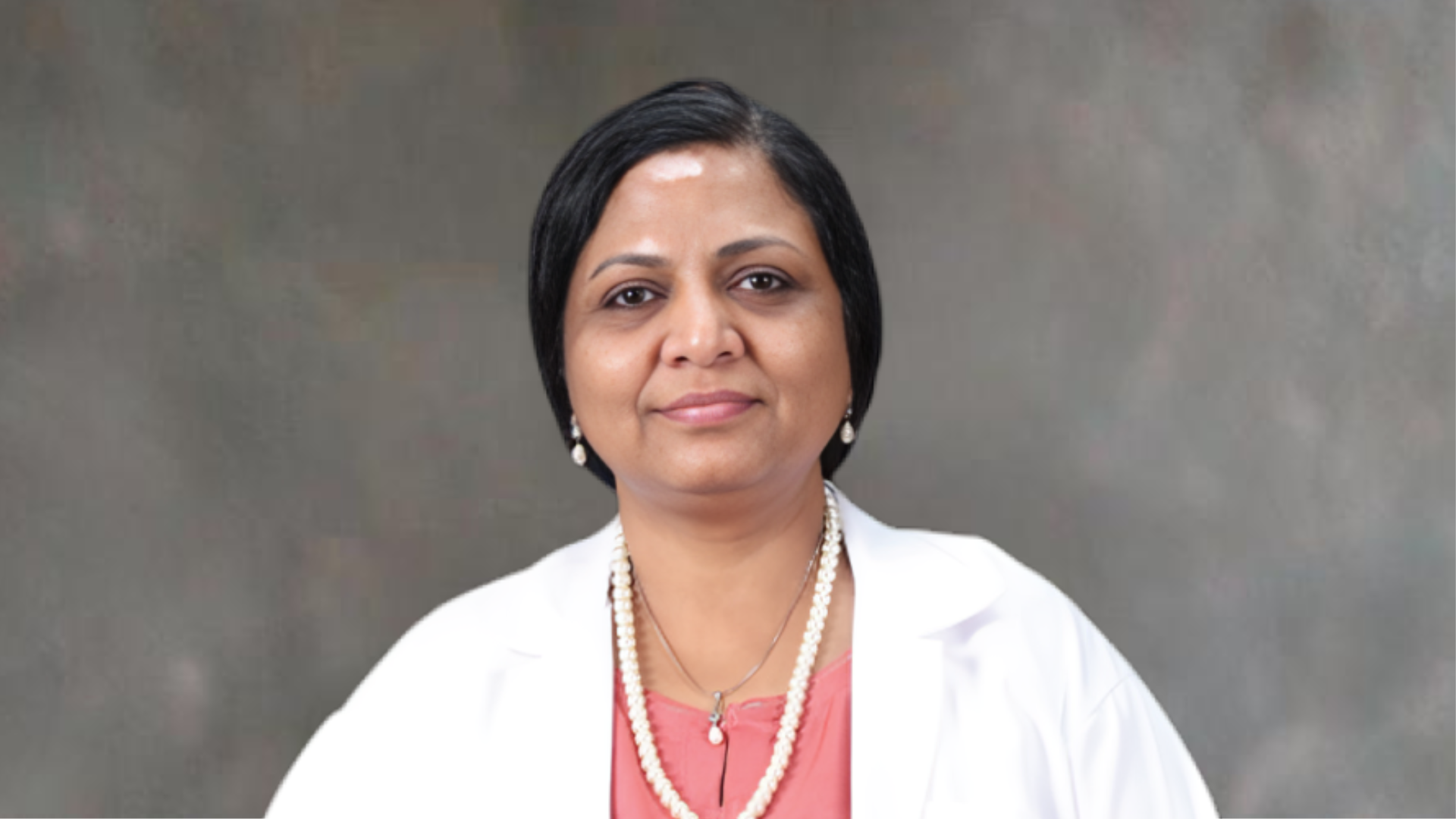
Shweta Bansal: Real World Challenges in BMT of Aplastic Anemia – ISBMT Webinar N15 – Oncodaily
Report on the Indian Society for Blood and Marrow Transplantation (ISBMT) Webinar on Aplastic Anemia
Executive Summary
This report outlines the key discussions from the Indian Society for Blood and Marrow Transplantation (ISBMT) Webinar #15, focusing on “Real World Challenges in BMT of Aplastic Anemia.” The session, featuring experts including Dr. Shweta Bansal of Sir H.N. Reliance Foundation Hospital, highlighted critical advancements and systemic barriers in treating aplastic anemia. The outcomes of this discussion directly align with several United Nations Sustainable Development Goals (SDGs), particularly SDG 3 (Good Health and Well-being), SDG 10 (Reduced Inequalities), and SDG 17 (Partnerships for the Goals).
Advancing SDG 3: Good Health and Well-being
The webinar’s core focus was on improving treatment protocols and patient outcomes for aplastic anemia, directly contributing to the objectives of SDG 3. The discussion emphasized enhancing the quality of life and survival rates, especially for children.
- Improved Diagnostics: A significant finding is that approximately one-third of pediatric aplastic anemia cases stem from an underlying inherited marrow failure syndrome. This recognition underscores the need for comprehensive genetic work-ups.
- Enhanced Treatment Efficacy: Pre-transplant genetic screening is crucial to prevent donor-derived graft failure, leading to more successful and sustainable treatment outcomes.
- Targeted Healthcare: The panel identified key differences in the etiology, treatment strategies, and outcomes between pediatric and adult aplastic anemia, paving the way for more specialized and effective care.
- Long-Term Health: By focusing on early identification and tailored conditioning intensity, the medical community can significantly improve long-term surveillance and health for patients, a key component of SDG 3.
Addressing Systemic Barriers and Promoting SDG 10: Reduced Inequalities
The webinar addressed several “real-world” challenges that create disparities in healthcare access, a central theme of SDG 10. Overcoming these barriers is essential for ensuring equitable access to life-saving Bone Marrow Transplants (BMT).
Key barriers identified include:
- Donor Availability: Access to suitable donors remains a significant hurdle, highlighting inequalities in healthcare infrastructure. The participation of organizations like the DATRI Blood Stem Cell Donors Registry is vital in mitigating this gap.
- Conditioning Regimens: The availability and affordability of appropriate conditioning regimens can vary, creating unequal treatment opportunities for patients.
- Long-Term Care and Complications: Managing post-HSCT (Hematopoietic Stem Cell Transplantation) complications and providing sustained long-term care requires resources that are not universally accessible, further entrenching health inequalities.
Fostering SDG 17: Partnerships for the Goals
The event itself served as a model for SDG 17, demonstrating the power of collaboration in advancing global health targets. The webinar fostered a multi-stakeholder partnership essential for progress in complex medical fields.
- Multidisciplinary Collaboration: The panel brought together a diverse group of experts, including clinicians like Dr. Sidharth Totadri and Dr. Pravas Mishra, and representatives from donor registries like Ms. Saranya Vishwakarma.
- Knowledge Sharing: ISBMT’s initiative to host this webinar series promotes continuous learning and collaboration, strengthening the capacity of the entire transplant community to address complex health challenges.
- Institutional Synergy: The partnership between academic societies (ISBMT), hospitals (Sir H.N. Reliance Foundation Hospital and Research Centre), and non-profit registries (DATRI) exemplifies the collaborative action needed to achieve the SDGs.
-
Which SDGs are addressed or connected to the issues highlighted in the article?
The primary Sustainable Development Goal (SDG) addressed in the article is:
- SDG 3: Good Health and Well-being. The entire article focuses on a medical issue, Aplastic Anemia, and the challenges associated with its treatment through Bone Marrow Transplantation (BMT). The discussion revolves around improving medical understanding, treatment strategies, and patient outcomes, which are central to ensuring healthy lives and promoting well-being for all at all ages. The article explicitly mentions the goal of “improving survival and quality of life in children,” directly aligning with the core mission of SDG 3.
-
What specific targets under those SDGs can be identified based on the article’s content?
Based on the article’s discussion, the following specific targets under SDG 3 can be identified:
-
Target 3.4: Reduce by one-third premature mortality from non-communicable diseases through prevention and treatment and promote mental health and well-being.
Aplastic Anemia is a non-communicable disease. The webinar’s focus on “Real World Challenges in BMT of Aplastic Anemia,” understanding its genetic basis, and refining treatment strategies aims to reduce mortality and improve outcomes. The article states that these discussions are “vital for improving survival and quality of life in children,” which directly contributes to the goal of reducing premature mortality from NCDs.
-
Target 3.8: Achieve universal health coverage, including financial risk protection, access to quality essential health-care services…
The article highlights “real-world barriers” to treatment, including “donor availability, conditioning regimens, long-term care, and post-HSCT complications.” These are significant challenges in providing access to quality, essential healthcare services for patients with aplastic anemia. The collaboration involving a multidisciplinary team and a donor registry (DATRI) is an effort to overcome these barriers and improve access to this specialized care.
-
Target 3.c: Substantially increase health financing and the recruitment, development, training and retention of the health workforce in developing countries…
The event described is an Indian Society for Blood and Marrow Transplantation (ISBMT) webinar. The article concludes by expressing gratitude to ISBMT for “fostering continuous learning and collaboration across the transplant community.” This activity directly supports the ‘development and training’ of the health workforce, enhancing the skills and knowledge of specialists in India to better manage complex diseases like aplastic anemia.
-
-
Are there any indicators mentioned or implied in the article that can be used to measure progress towards the identified targets?
The article implies several indicators that can be used to measure progress:
-
For Target 3.4:
The article explicitly mentions “improving survival and quality of life in children” as the ultimate goal of these discussions. Therefore, implied indicators are:
- Patient survival rates following Bone Marrow Transplantation for aplastic anemia.
- Quality of life metrics for post-transplant patients.
-
For Target 3.8:
The discussion of “real-world barriers” points to indicators related to healthcare access and quality. Implied indicators include:
- Donor availability rates, specifically the number or percentage of patients for whom a suitable donor is found through registries like DATRI.
- Access to comprehensive long-term care and management of post-HSCT complications.
-
For Target 3.c:
The article highlights the ISBMT webinar series as a platform for professional development. An implied indicator is:
- The number and frequency of continuous learning and collaborative activities (like webinars and conferences) for the health workforce in specialized fields like BMT.
-
-
Create a table with three columns titled ‘SDGs, Targets and Indicators” to present the findings from analyzing the article. In this table, list the Sustainable Development Goals (SDGs), their corresponding targets, and the specific indicators identified in the article.
SDGs Targets Indicators (Implied from the article) SDG 3: Good Health and Well-being Target 3.4: Reduce premature mortality from non-communicable diseases. - Patient survival rates for aplastic anemia.
- Quality of life metrics for post-transplant patients.
SDG 3: Good Health and Well-being Target 3.8: Achieve universal health coverage and access to quality essential health-care services. - Availability rates of matched stem cell donors.
- Patient access to long-term care and management of post-HSCT complications.
SDG 3: Good Health and Well-being Target 3.c: Increase the development and training of the health workforce. - Number and frequency of continuous learning and collaboration activities (e.g., ISBMT webinars) for the transplant community.
Source: oncodaily.com
What is Your Reaction?
 Like
0
Like
0
 Dislike
0
Dislike
0
 Love
0
Love
0
 Funny
0
Funny
0
 Angry
0
Angry
0
 Sad
0
Sad
0
 Wow
0
Wow
0