






















































Small Farms Week 2026 to Honor 40 Years of Small Farming Innovation, Impact – North Carolina Agricultural and Technical State University
Report on the 40th Annual Small Farms Week and its Contribution to Sustainable Development Goals
Introduction: Fostering Sustainable Agriculture and Community Resilience
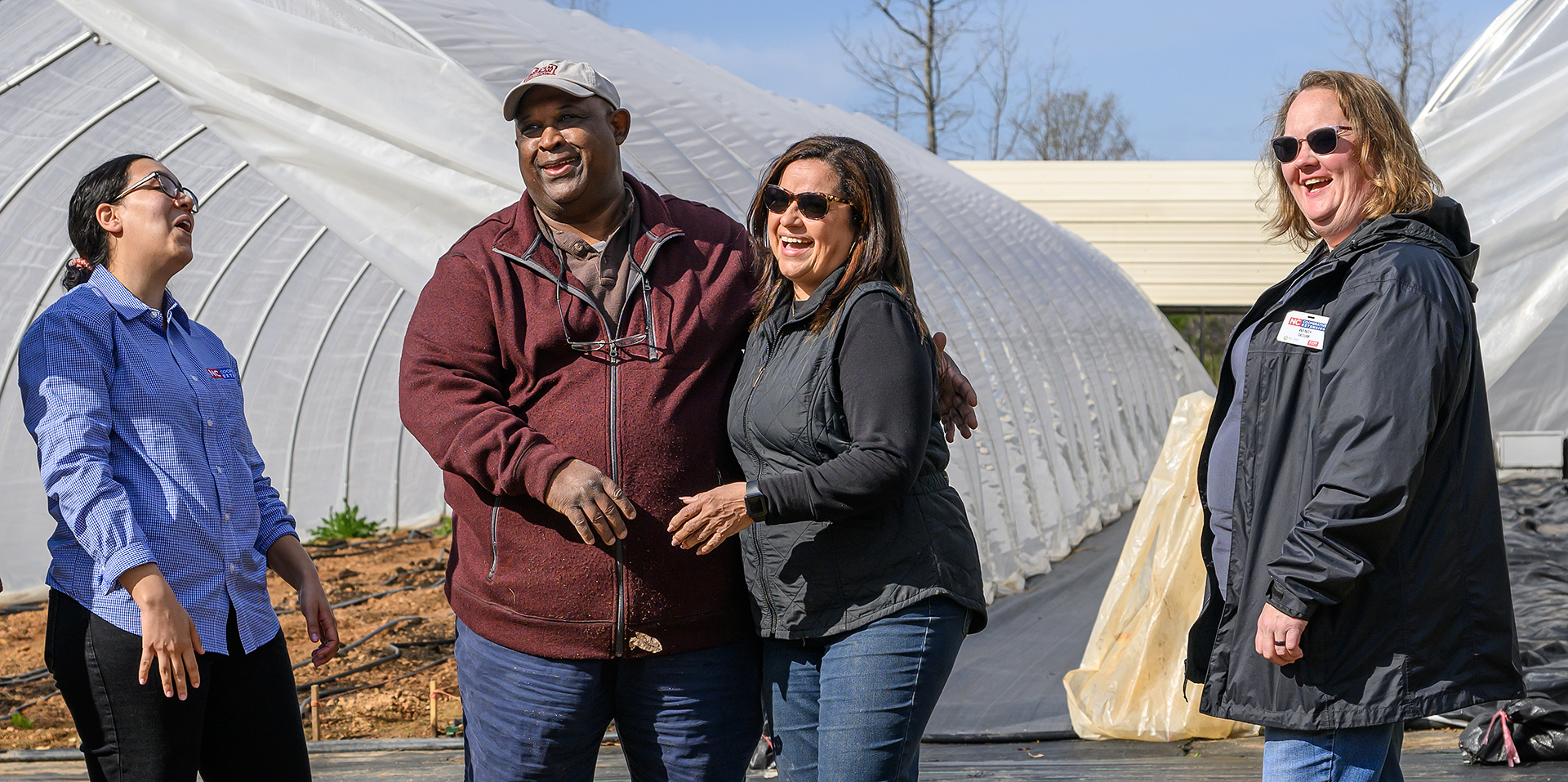
Cooperative Extension at North Carolina Agricultural and Technical State University will commemorate the 40th anniversary of Small Farms Week from March 22-26, 2026. The event, themed “Deep Roots, Strong Future: 40 Years of Small Farm Impact,” highlights the critical role of small-scale agriculture in achieving multiple Sustainable Development Goals (SDGs). For four decades, this initiative has supported small and limited-resource farmers, reinforcing their contributions to food security, economic growth, and environmental sustainability.
Alignment with Key Sustainable Development Goals
The objectives and activities of Small Farms Week directly support the United Nations 2030 Agenda for Sustainable Development. The primary areas of impact include:
- SDG 2: Zero Hunger: The event’s core mission is to support producers of fresh, healthy food, thereby enhancing local food systems and combating food insecurity.
- SDG 8: Decent Work and Economic Growth: By recognizing small farms as the backbone of the state’s $111 billion agricultural economy, the initiative promotes inclusive and sustainable economic growth.
- SDG 10: Reduced Inequalities: A foundational goal is to provide recognition and educational resources to small-scale and limited-resource farmers, empowering marginalized producers.
- SDG 13: Climate Action: Educational programs are specifically designed to help farmers build resilience against climate-related challenges, such as extreme weather events.
- SDG 17: Partnerships for the Goals: The week is a model of collaboration between academia, government extension services, farmers, and community organizations to achieve common sustainability objectives.
Programmatic Focus on SDG Implementation
Advancing SDG 2 (Zero Hunger) and SDG 11 (Sustainable Cities and Communities)
The initiative actively works to eliminate hunger and improve community access to nutritious food. The 2025 Small Farmers of the Year, Elvin and Madeline Eaton of Fairport Farms, exemplify this commitment through their work in food-insecure regions. Their contributions include:
- Supplying produce to the Granville Veterans’ Life Center.
- Participating in the Farm to Fridge Program, a partnership with the N.C. Cooperative Extension and the library system that provides free, surplus produce to the public.
The expansion of the Small Farmer of the Year Award in 2026 to include an Urban region winner further strengthens the link to SDG 11 by promoting sustainable urban agriculture and resilient local food systems.
Building Economic and Climate Resilience (SDG 1, SDG 8, SDG 13)
Small Farms Week provides critical support for the economic viability and environmental sustainability of small farms, which is fundamental to alleviating poverty (SDG 1) and ensuring decent work (SDG 8). The 2026 educational programs will address pressing issues directly related to climate resilience (SDG 13), including:
- Workshops on building risk-ready farms to withstand financial and environmental shocks.
- Discussions on innovative livestock strategies adapted for a changing agricultural landscape.
- Peer-learning sessions focused on sharing successful strategies for overcoming challenges, such as the impact of severe weather events like Hurricane Helene.
Promoting Health and Well-being (SDG 3)
Beyond agricultural techniques, the event addresses the holistic health of farming communities. A networking workshop will offer resources for farmers’ physical, social, and emotional well-being, acknowledging that sustainable agriculture depends on healthy and supported producers, in line with the targets of SDG 3.
Event Schedule and Structure
The 40th annual Small Farms Week will feature a series of events designed to facilitate learning, networking, and recognition.
- Kickoff Event: The week will commence in Granville County, home of the 2025 award winners.
- Educational Programs: March 24-25 will feature workshops, TED Talk-style presentations, and peer-learning stations at the University Farm Pavilion.
- Awards Dinner: A formal dinner on March 24 will honor the 2026 Small Farmer of the Year winners from the East, West, and Urban regions of the state.
Analysis of Sustainable Development Goals in the Article
1. Which SDGs are addressed or connected to the issues highlighted in the article?
-
SDG 2: Zero Hunger
- The article focuses on small-scale farmers who enable families to “put fresh, healthy food on their tables.” It also highlights efforts to combat food insecurity through programs like the “Farm to Fridge Program” in some of North Carolina’s most “food-insecure communities.”
-
SDG 8: Decent Work and Economic Growth
- The article emphasizes the critical contribution of small farms to the state’s “$111 billion agricultural economy.” It discusses supporting small-scale producers through resources like “business development loans” and educational programs to ensure their economic viability and success.
-
SDG 13: Climate Action
- The text directly addresses the environmental challenges farmers face, mentioning the need to deal with “environmental… realities” and the devastating impact of “Hurricane Helene.” Educational programs are designed to address these issues by “building risk-ready farms” and discussing strategies for a “changing agricultural landscape.”
-
SDG 17: Partnerships for the Goals
- The entire Small Farms Week initiative is built on partnerships. The article names “Cooperative Extension at N.C. A&T” as a “key partner” and describes collaborations like the “Farm to Fridge Program” between the Extension and the library system. The event itself brings together “stakeholders, students and the general public.”
2. What specific targets under those SDGs can be identified based on the article’s content?
-
Under SDG 2 (Zero Hunger):
- Target 2.1: By 2030, end hunger and ensure access by all people, in particular the poor and people in vulnerable situations, including infants, to safe, nutritious and sufficient food all year round. This is addressed through the work of farmers like the Eatons, who contribute to food donation programs and the “Farm to Fridge Program” in food-insecure communities.
- Target 2.3: By 2030, double the agricultural productivity and incomes of small-scale food producers, in particular women, indigenous peoples, family farmers, pastoralists and fishers, including through secure and equal access to land, other productive resources and inputs, knowledge, financial services, markets and opportunities for value addition and non-farm employment. The article’s focus on recognizing and supporting “small-scale farmers,” including those with “limited resources,” through knowledge, advice, and educational programs directly aligns with this target.
- Target 2.4: By 2030, ensure sustainable food production systems and implement resilient agricultural practices that increase productivity and production, that help maintain ecosystems, that strengthen capacity for adaptation to climate change, extreme weather, drought, flooding and other disasters and that progressively improve land and soil quality. This is reflected in the educational programs on “building risk-ready farms” and “innovative livestock strategies for a changing agricultural landscape.”
-
Under SDG 8 (Decent Work and Economic Growth):
- Target 8.3: Promote development-oriented policies that support productive activities, decent job creation, entrepreneurship, creativity and innovation, and encourage the formalization and growth of micro-, small- and medium-sized enterprises, including through access to financial services. The article highlights support for small farms through “business development loans” and educational resources, fostering their growth and contribution to the economy.
-
Under SDG 13 (Climate Action):
- Target 13.1: Strengthen resilience and adaptive capacity to climate-related hazards and natural disasters in all countries. The article explicitly mentions the impact of “Hurricane Helene” and the need to offer “assistance and relief as more severe weather events threaten our farms,” which is the focus of workshops on building resilient farms.
-
Under SDG 17 (Partnerships for the Goals):
- Target 17.17: Encourage and promote effective public, public-private and civil society partnerships, building on the experience and resourcing strategies of partnerships. The article showcases this through the collaboration between Cooperative Extension (a public entity), farmers, and community partners like the library system to achieve common goals.
3. Are there any indicators mentioned or implied in the article that can be used to measure progress towards the identified targets?
-
For SDG 2 (Zero Hunger):
- Implied Indicator for Target 2.1: The amount of surplus produce distributed through the “Farm to Fridge Program” or the number of people served by food donation programs in “food-insecure communities.”
- Implied Indicator for Target 2.3: The number of small-scale farmers participating in Small Farms Week events, workshops, and educational programs. The expansion of the “Small Farmer of the Year Award” to three regions also serves as a metric for recognizing and promoting successful small-scale producers.
- Implied Indicator for Target 2.4: The number of farmers attending educational sessions on “building risk-ready farms” or the adoption rate of “innovative livestock strategies” discussed in the workshops.
-
For SDG 8 (Decent Work and Economic Growth):
- Mentioned Indicator for Target 8.3: The overall economic impact of the state’s agricultural economy, stated as “$111 billion.” Progress could be measured by tracking the sustained or increased contribution of small farms to this total.
- Implied Indicator for Target 8.3: The number of farmers accessing resources like “business development loans” or utilizing Extension educational materials for business growth.
-
For SDG 13 (Climate Action):
- Implied Indicator for Target 13.1: The number of farmers receiving assistance and training on adapting to severe weather events. The article mentions Hurricane Helene “wiped out entire communities,” implying that a reduction in such losses in future events could be a measure of success.
-
For SDG 17 (Partnerships for the Goals):
- Implied Indicator for Target 17.17: The number and type of collaborations formed, such as the one between N.C. Cooperative Extension and the library system for the “Farm to Fridge Program,” or the number of community partners participating in the networking workshops.
4. Summary Table of SDGs, Targets, and Indicators
| SDGs | Targets | Indicators |
|---|---|---|
| SDG 2: Zero Hunger |
|
|
| SDG 8: Decent Work and Economic Growth |
|
|
| SDG 13: Climate Action |
|
|
| SDG 17: Partnerships for the Goals |
|
|
Source: ncat.edu
What is Your Reaction?
 Like
0
Like
0
 Dislike
0
Dislike
0
 Love
0
Love
0
 Funny
0
Funny
0
 Angry
0
Angry
0
 Sad
0
Sad
0
 Wow
0
Wow
0