
















Soumen Das Honored with the Vanessa Moss Award for Cancer Health Disparity Day at LGCW2025 – Oncodaily
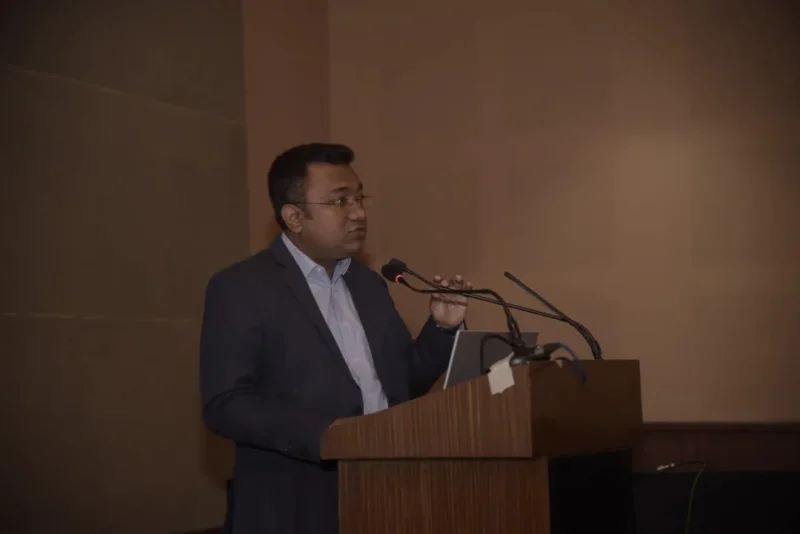
Report on Dr. Soumen Das’s Contributions to Global Health and Sustainable Development Goals
Introduction: Recognition for Advancing Health Equity
Dr. Soumen Das has been conferred the Vanessa Moss Award for Cancer Health Disparity Day at London Global Cancer Week (LGCW). This recognition highlights his significant contributions to addressing inequities in global cancer care, directly aligning with the United Nations’ Sustainable Development Goals (SDGs), particularly SDG 3 (Good Health and Well-being) and SDG 10 (Reduced Inequalities).
Core Contributions to Sustainable Development Goals (SDGs)
Dr. Das’s career demonstrates a profound commitment to several key SDGs:
- SDG 3: Good Health and Well-being: His work as a surgical oncologist directly contributes to reducing premature mortality from non-communicable diseases through prevention and treatment. His focus on breast cancer and advanced oncologic procedures enhances health outcomes for patients.
- SDG 10: Reduced Inequalities: The Vanessa Moss Award specifically acknowledges his efforts to combat cancer health disparities. By working to ensure equitable access to cancer treatment and diagnosis, his career addresses the critical need to reduce inequalities in health outcomes within and among countries.
- SDG 4: Quality Education: As an Assistant Professor and Managing Editor for international medical journals, Dr. Das plays a vital role in disseminating knowledge and training the next generation of medical professionals, fostering inclusive and equitable quality education in the medical field.
- SDG 17: Partnerships for the Goals: His fellowship with the Union for International Cancer Control (UICC) and executive role in the Association of Surgeons of India (ASI) exemplify his engagement in global and national partnerships to strengthen the implementation of health-related goals.
Educational Foundation and Academic Excellence
Dr. Das’s academic journey laid the groundwork for his contributions to global health objectives.
Academic Milestones:
- Medical College, Kolkata (MBBS, 2006): Graduated as University Topper in Surgery, receiving five honours certificates and three gold medals.
- Medical College, Kolkata (MS, Surgery): Awarded the Best Resident Surgeon Award and the UMA RANI SAHA Gold Medal.
- Tata Memorial Hospital, Mumbai: Completed the FUICC fellowship in Surgical Oncology, an advanced training program awarded by the Union for International Cancer Control (UICC), Geneva, strengthening his capacity to contribute to SDG 3.
Professional Engagements and Impact on Health Systems
Dr. Das’s current roles reflect a dual commitment to clinical practice and academic leadership, reinforcing progress towards SDGs 3 and 4.
Current Responsibilities:
- Assistant Professor, IPGMER–SSKM Hospital, Kolkata: Actively involved in the Surgical Oncology Division, providing critical cancer care, including breast cancer treatment and laparoscopic procedures. He is also engaged in surgical training, contributing to the development of a skilled health workforce.
- Managing Editor: Serves on the editorial boards of the International Journal of Surgical Studies and the Asia Pacific Journal of Medical Science, shaping scholarly discourse and promoting evidence-based practices in oncology.
- Executive Member, Association of Surgeons of India (ASI) State Chapter: Contributes to professional development and scientific exchange, fostering partnerships (SDG 17) within the surgical community to improve standards of care.
Conclusion: A Career Aligned with Global Health Equity
The Vanessa Moss Award is a testament to Dr. Soumen Das’s career, which is characterized by clinical excellence and a steadfast commitment to reducing health disparities. His work in patient care, education, and professional leadership provides a clear model of how medical professionals can contribute directly to achieving the Sustainable Development Goals, particularly in ensuring healthy lives and promoting equity in global health.
1. Which SDGs are addressed or connected to the issues highlighted in the article?
The article highlights issues that are directly connected to several Sustainable Development Goals (SDGs). The primary focus on cancer care, health equity, and professional education links the content to the following SDGs:
-
SDG 3: Good Health and Well-being
This is the most prominent SDG in the article. The entire narrative revolves around Dr. Soumen Das’s work in cancer care, including his clinical practice in treating breast cancer, his expertise in surgical oncology, and his efforts to reduce the global burden of cancer. His award for confronting “cancer health disparities” directly addresses the goal of ensuring healthy lives and promoting well-being for all.
-
SDG 10: Reduced Inequalities
The article’s central theme is the recognition of Dr. Das’s work in addressing “cancer health disparity.” The Vanessa Moss Award specifically honors his commitment to “advancing equitable cancer care and addressing disparities in access, treatment, and outcomes.” This directly aligns with SDG 10, which aims to reduce inequality within and among countries by ensuring equal opportunity and promoting inclusion.
-
SDG 4: Quality Education
Dr. Das’s career profile shows a strong connection to quality education. He serves as an “Assistant Professor in the Department of Surgery at IPGMER–SSKM Hospital in Kolkata,” where he is involved in “surgical training.” Furthermore, his roles as “Managing Editor of the International Journal of Surgical Studies” and an “Executive Member of the Association of Surgeons of India (ASI) State Chapter” contribute to the dissemination of knowledge and professional development, which are key components of quality education in the medical field.
2. What specific targets under those SDGs can be identified based on the article’s content?
Based on the article’s focus, the following specific SDG targets can be identified:
-
Target 3.4: Reduce premature mortality from non-communicable diseases
The article states that Dr. Das’s work is dedicated to “reducing the global burden of cancer inequity.” Cancer is a primary non-communicable disease (NCD). His clinical practice in treating patients with breast cancer and performing oncologic procedures is a direct contribution to this target, which aims to “reduce by one third premature mortality from non-communicable diseases through prevention and treatment.”
-
Target 10.3: Ensure equal opportunity and reduce inequalities of outcome
This target is central to the article’s theme. Dr. Das’s award recognizes his work in confronting “cancer health disparities” and his advocacy for “equitable cancer care.” The article notes that his work draws attention to “structural and socioeconomic factors that impact cancer diagnosis and treatment.” This aligns perfectly with Target 10.3, which aims to eliminate discriminatory practices and promote policies that ensure equal opportunities and reduce inequalities in outcomes, such as health outcomes.
-
Target 4.4: Increase the number of youth and adults who have relevant skills for employment
Dr. Das’s role as an Assistant Professor involved in “surgical training” at a leading institution directly contributes to this target. He is actively involved in equipping the next generation of medical professionals with the “relevant skills” (in this case, advanced surgical and oncological expertise) necessary for employment as surgeons and specialists. His leadership in academic journals also helps build the skills and knowledge base of the medical community.
3. Are there any indicators mentioned or implied in the article that can be used to measure progress towards the identified targets?
The article does not provide quantitative data but implies several indicators that could be used to measure progress towards the identified targets:
-
Indicators for Target 3.4
The article’s focus on “treatment” and “outcomes” implies indicators related to cancer care effectiveness. Progress could be measured by:
- Mortality rate attributed to cancer: This is the official indicator (3.4.1). Dr. Das’s work in surgical oncology aims to reduce this rate.
- Access to cancer treatment: The mention of “disparities in access” implies that measuring the proportion of the population with access to essential cancer diagnosis, treatment, and care would be a relevant indicator.
-
Indicators for Target 10.3
The core issue of “cancer health disparity” suggests that progress would be measured by comparing health outcomes across different population groups. Implied indicators include:
- Disparities in cancer survival rates: Measuring the difference in survival rates between various socioeconomic or demographic groups would directly assess progress in reducing inequalities of outcome.
- Equity in access to care: An indicator could be the measurement of differences in wait times, availability of advanced procedures (like “laparoscopic and oncologic procedures”), and treatment costs for different population segments.
-
Indicators for Target 4.4
Dr. Das’s role in education implies indicators related to the development of a skilled medical workforce. An implied indicator is:
- Number of trained and certified surgical oncologists: The article highlights his involvement in “surgical training.” An increase in the number of specialists he helps train would be a direct measure of progress towards building a workforce with relevant skills.
4. Table of SDGs, Targets, and Indicators
| SDGs | Targets | Indicators (Identified or Implied in the Article) |
|---|---|---|
| SDG 3: Good Health and Well-being | Target 3.4: By 2030, reduce by one third premature mortality from non-communicable diseases through prevention and treatment and promote mental health and well-being. |
|
| SDG 10: Reduced Inequalities | Target 10.3: Ensure equal opportunity and reduce inequalities of outcome, including by eliminating discriminatory policies, practices and legislation and promoting appropriate legislation, policies and action in this regard. |
|
| SDG 4: Quality Education | Target 4.4: By 2030, substantially increase the number of youth and adults who have relevant skills, including technical and vocational skills, for employment, decent jobs and entrepreneurship. |
|
Source: oncodaily.com
What is Your Reaction?
 Like
0
Like
0
 Dislike
0
Dislike
0
 Love
0
Love
0
 Funny
0
Funny
0
 Angry
0
Angry
0
 Sad
0
Sad
0
 Wow
0
Wow
0