













































Tel Aviv, Herzliya plan expanded gender-segregated beach for Haredi public – Ynetnews
Proposed Consolidation of Gender-Segregated Coastal Facilities
Project Overview
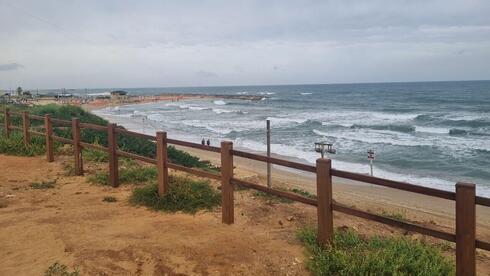
A plan initiated by the Interior Ministry proposes the establishment of a new, large-scale gender-segregated beach. The key details of the proposal are as follows:
- Location: The proposed site is situated north of Cliff Beach.
- Purpose: To create a consolidated facility that will replace the smaller, existing gender-segregated beaches in Tel Aviv and Herzliya.
- Endorsement: The plan has received backing from the municipal governments of both Tel Aviv and Herzliya.
Analysis in Relation to Sustainable Development Goals (SDGs)
The proposal presents a complex case when evaluated against the United Nations’ Sustainable Development Goals, particularly those concerning equality, sustainable communities, and institutional governance.
SDG 5: Gender Equality & SDG 10: Reduced Inequalities
The plan directly engages with the principles of equality and non-discrimination. The core conflict can be framed as follows:
- Provision for Specific Needs: Proponents argue the plan addresses SDG 10 by reducing inequalities in access for religious and cultural groups who require gender-segregated recreational spaces, thereby ensuring their inclusion.
- Concerns Regarding Segregation: Critics contend that dedicating a significant public area to segregated use may run counter to the spirit of SDG 5, potentially reinforcing gender-based divisions and limiting integrated public spaces.
SDG 11: Sustainable Cities and Communities
The development impacts Target 11.7, which aims to “provide universal access to safe, inclusive and accessible, green and public spaces.”
- Management of Urban Space: The plan represents an institutional effort to manage the diverse needs of a growing urban population within a finite coastal area.
- Challenge to Universal Access: The primary criticism is that this development limits universally accessible public beach space. As the population grows, such restrictions could exacerbate pressure on remaining public areas, challenging the goal of creating truly inclusive and sustainable communities for all residents.
SDG 16: Peace, Justice and Strong Institutions
The initiative highlights the role of effective and inclusive institutions in mediating competing public interests. The process of planning and implementing this project will be a test of governance in balancing the rights and needs of different segments of the population while ensuring transparent and equitable allocation of public resources. A successful outcome, aligned with SDG 16, would require a process that considers all stakeholder concerns to foster a just and cohesive society.
SDGs Addressed in the Article
- SDG 5: Gender Equality – The article’s central theme is the creation of a gender-segregated beach, which directly relates to how public spaces and services are designed to accommodate gender-specific cultural or religious needs.
- SDG 10: Reduced Inequalities – The plan addresses the needs of a specific religious community to ensure their social inclusion and access to public recreation, while critics argue it may create inequality by limiting access for the general public.
- SDG 11: Sustainable Cities and Communities – The issue involves urban planning, management of public spaces (beaches), and ensuring access to them for a growing population in the cities of Tel Aviv and Herzliya.
- SDG 16: Peace, Justice and Strong Institutions – The article describes a government-led plan (“Plan led by Interior Ministry”) involving multiple municipalities, highlighting the role of public institutions in decision-making and balancing the interests of different community groups.
Specific SDG Targets Identified
SDG 5: Gender Equality
- Target 5.c: Adopt and strengthen sound policies and enforceable legislation for the promotion of gender equality and the empowerment of all women and girls at all levels.
- Explanation: The article discusses a “Plan led by Interior Ministry” to create a gender-segregated beach. This plan represents a policy decision by a public institution to address gender-specific requirements for access to public recreational facilities, thereby relating to the adoption of policies concerning gender.
SDG 10: Reduced Inequalities
- Target 10.2: By 2030, empower and promote the social, economic and political inclusion of all, irrespective of age, sex, disability, race, ethnicity, origin, religion or economic or other status.
- Explanation: The creation of a gender-segregated beach is a measure aimed at ensuring the social inclusion of religious groups whose members would otherwise be unable to use public beaches. The plan is an action to provide facilities that allow for their participation in public life.
SDG 11: Sustainable Cities and Communities
- Target 11.7: By 2030, provide universal access to safe, inclusive and accessible, green and public spaces, in particular for women and children, older persons and persons with disabilities.
- Explanation: The article’s core conflict revolves around access to public space. The plan aims to create an inclusive space for one group, but critics explicitly warn that it “limits public beach access as population grows,” directly addressing the challenge of providing universal and equitable access to public beaches in an urban area.
SDG 16: Peace, Justice and Strong Institutions
- Target 16.7: Ensure responsive, inclusive, participatory and representative decision-making at all levels.
- Explanation: The article highlights a decision-making process involving a national ministry and two city governments (“Plan led by Interior Ministry,” “backed by both cities”). The mention of “critics” who oppose the plan indicates a public debate over whether this decision is responsive and inclusive to the needs of the entire population.
Indicators for Measuring Progress
Indicator for Target 11.7
- Implied Indicator: The proportion of public beach area that is open for universal access versus designated for specific, segregated use.
- Explanation: The article does not provide numbers, but the criticism that the plan “limits public beach access” implies that a key metric for evaluating its impact is the change in the amount of coastline freely accessible to the general public. This aligns with the official SDG indicator 11.7.1, which measures the average share of a city’s built-up area that is open space for public use for all.
Indicator for Target 10.2
- Implied Indicator: The existence and number of public facilities designed to accommodate the specific needs of religious or cultural minority groups.
- Explanation: The plan to create a “large gender-segregated beach” is itself a qualitative indicator of an effort to promote social inclusion. Progress could be measured by the availability and capacity of such specialized public spaces.
Indicator for Target 5.c
- Implied Indicator: The existence of national or municipal policies and plans addressing gender-based access to public services and spaces.
- Explanation: The “Plan led by Interior Ministry” is a tangible example of a policy framework. The existence of this plan serves as an indicator that the government is formulating policies related to gender considerations in the public sphere.
Summary Table of SDGs, Targets, and Indicators
| SDGs | Targets | Indicators |
|---|---|---|
| SDG 5: Gender Equality | Target 5.c: Adopt and strengthen sound policies… for the promotion of gender equality. | The existence of a government plan (“Plan led by Interior Ministry”) addressing gender-specific needs for access to public spaces. |
| SDG 10: Reduced Inequalities | Target 10.2: Empower and promote the social… inclusion of all… irrespective of… religion. | Availability and capacity of public facilities (like a gender-segregated beach) designed to meet the needs of specific religious groups. |
| SDG 11: Sustainable Cities and Communities | Target 11.7: Provide universal access to… public spaces. | The proportion of public beach area accessible to the general population, as implied by the concern that the plan “limits public beach access.” |
| SDG 16: Peace, Justice and Strong Institutions | Target 16.7: Ensure responsive, inclusive, participatory and representative decision-making. | The institutional process of the plan’s development, involving a ministry and cities, and the public response from “critics.” |
Source: ynetnews.com
What is Your Reaction?
 Like
0
Like
0
 Dislike
0
Dislike
0
 Love
0
Love
0
 Funny
0
Funny
0
 Angry
0
Angry
0
 Sad
0
Sad
0
 Wow
0
Wow
0