




































Thousands Advised To Stay Inside in Florida, Oregon – Newsweek
Report on Unhealthy Air Quality Levels in Florida and Oregon
Overview of the Situation
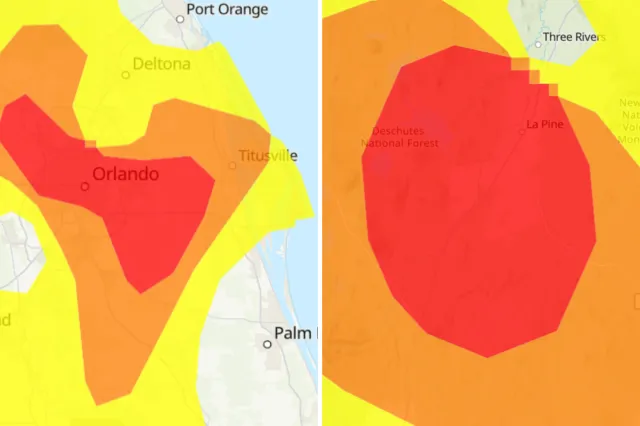
Thousands of residents in parts of Florida and Oregon have been advised to remain indoors due to elevated levels of fine particle pollution (PM2.5) reaching “unhealthy” levels as of 3 a.m. Eastern Time on Tuesday, according to the Environmental Protection Agency’s (EPA) AirNow Map.
Significance of Air Quality Index (AQI)
The EPA employs the Air Quality Index (AQI) to measure and communicate air quality across the United States. The AQI is a standardized scale ranging from 0 to 500, categorizing pollution levels from “good” to “hazardous.” Higher AQI values correspond to increased pollution and greater health risks.
Currently, areas including Orlando, Florida, and La Pine, Oregon, have been classified as experiencing “unhealthy” air quality due to elevated PM2.5 levels. This classification indicates potential health risks to all members of the public in these regions.
Health Implications of PM2.5 Pollution
- PM2.5 particles are less than 2.5 micrometers in size, allowing them to penetrate deep into the lungs and bloodstream.
- Exposure can exacerbate lung and heart conditions.
- Symptoms include coughing, eye, throat, and nose irritation, chest tightness, and shortness of breath.
- Even healthy individuals may experience temporary symptoms from exposure.
Advice and Precautionary Measures
Recommendations for Sensitive Groups
The EPA advises children, older adults, and individuals with medical conditions such as asthma to avoid prolonged or intense outdoor activities during periods of “unhealthy” air quality.
Guidance for the General Public
- Reduce the duration and intensity of outdoor activities (e.g., opt for walking instead of running).
- Be aware that increased breathing rates during physical activity lead to greater inhalation of PM2.5 particles.
Indoor Air Quality Management
- Fine particles can infiltrate indoor environments through open windows, doors, and ventilation systems.
- Use air purifiers or high-efficiency filters to maintain clean indoor air.
- Keep windows closed during periods of poor outdoor air quality.
- Avoid indoor pollution sources such as burning candles, wood-burning stoves, or indoor fires.
Causes and Monitoring of Air Pollution
Potential Sources of PM2.5
- Dust from construction sites and unpaved roads.
- Emissions from vehicles and industrial plants.
- Smoke from wildfires and smokestacks.
Ongoing Monitoring
Residents are encouraged to monitor the EPA’s AirNow Map and follow updates, as air quality can fluctuate frequently.
Emphasis on Sustainable Development Goals (SDGs)
This situation highlights critical intersections with the United Nations Sustainable Development Goals, particularly:
- SDG 3: Good Health and Well-being – Addressing air pollution is essential to reducing health risks and preventing disease caused by environmental factors.
- SDG 11: Sustainable Cities and Communities – Improving air quality contributes to making cities safer and healthier for all residents.
- SDG 13: Climate Action – Managing pollution sources such as wildfires and industrial emissions aligns with efforts to combat climate change and its impacts.
- SDG 15: Life on Land – Controlling dust and emissions supports the protection of terrestrial ecosystems affected by pollution.
Effective management of air quality and public health responses are vital to advancing these SDGs and ensuring sustainable, healthy environments for current and future populations.
1. Sustainable Development Goals (SDGs) Addressed or Connected
- SDG 3: Good Health and Well-being
- The article discusses the health risks posed by fine particle pollution (PM2.5), including respiratory and cardiovascular issues, which directly relate to ensuring healthy lives and promoting well-being.
- SDG 11: Sustainable Cities and Communities
- The focus on air quality in urban areas like Orlando and La Pine relates to making cities inclusive, safe, resilient, and sustainable.
- SDG 13: Climate Action
- PM2.5 pollution sources such as wildfires and industrial emissions link to climate-related environmental challenges and the need for urgent action.
- SDG 15: Life on Land
- Wildfires contributing to PM2.5 levels impact terrestrial ecosystems, connecting to the sustainable management of forests and combating desertification.
2. Specific Targets Under Those SDGs Identified
- SDG 3: Good Health and Well-being
- Target 3.9: By 2030, substantially reduce the number of deaths and illnesses from hazardous chemicals and air, water, and soil pollution and contamination.
- SDG 11: Sustainable Cities and Communities
- Target 11.6: By 2030, reduce the adverse per capita environmental impact of cities, including by paying special attention to air quality and municipal and other waste management.
- SDG 13: Climate Action
- Target 13.1: Strengthen resilience and adaptive capacity to climate-related hazards and natural disasters in all countries.
- SDG 15: Life on Land
- Target 15.1: By 2020, ensure the conservation, restoration and sustainable use of terrestrial and inland freshwater ecosystems and their services.
3. Indicators Mentioned or Implied to Measure Progress
- Air Quality Index (AQI)
- The article explicitly mentions the EPA’s Air Quality Index (AQI) as a standardized measure of air pollution levels, ranging from 0 to 500, categorizing pollution from “good” to “hazardous.”
- This index is an indicator to monitor PM2.5 levels and assess health risks, thus measuring progress towards reducing air pollution (Targets 3.9 and 11.6).
- PM2.5 Concentration Levels
- Measurement of fine particulate matter (particles less than 2.5 micrometers) concentration in the air is implied as a key indicator for air quality and health impact assessments.
- Health Impact Data
- Though not directly mentioned as an indicator, the article implies monitoring health symptoms and conditions (e.g., respiratory and cardiovascular issues) as indirect indicators of pollution impact.
- Environmental Monitoring of Pollution Sources
- Tracking emissions from vehicles, industrial plants, construction dust, and wildfires is implied as necessary for understanding and managing PM2.5 pollution sources.
4. Table of SDGs, Targets, and Indicators
| SDGs | Targets | Indicators |
|---|---|---|
| SDG 3: Good Health and Well-being | Target 3.9: Reduce deaths and illnesses from hazardous chemicals and air pollution. |
|
| SDG 11: Sustainable Cities and Communities | Target 11.6: Reduce adverse environmental impact of cities, including air quality. |
|
| SDG 13: Climate Action | Target 13.1: Strengthen resilience to climate-related hazards and natural disasters. |
|
| SDG 15: Life on Land | Target 15.1: Conservation and sustainable use of terrestrial ecosystems. |
|
Source: newsweek.com
What is Your Reaction?
 Like
0
Like
0
 Dislike
0
Dislike
0
 Love
0
Love
0
 Funny
0
Funny
0
 Angry
0
Angry
0
 Sad
0
Sad
0
 Wow
0
Wow
0