
























































Transportation – NYC.gov
NYC DOT Expands Red Light Camera Program to Enhance Intersection Safety Aligned with Sustainable Development Goals
Introduction
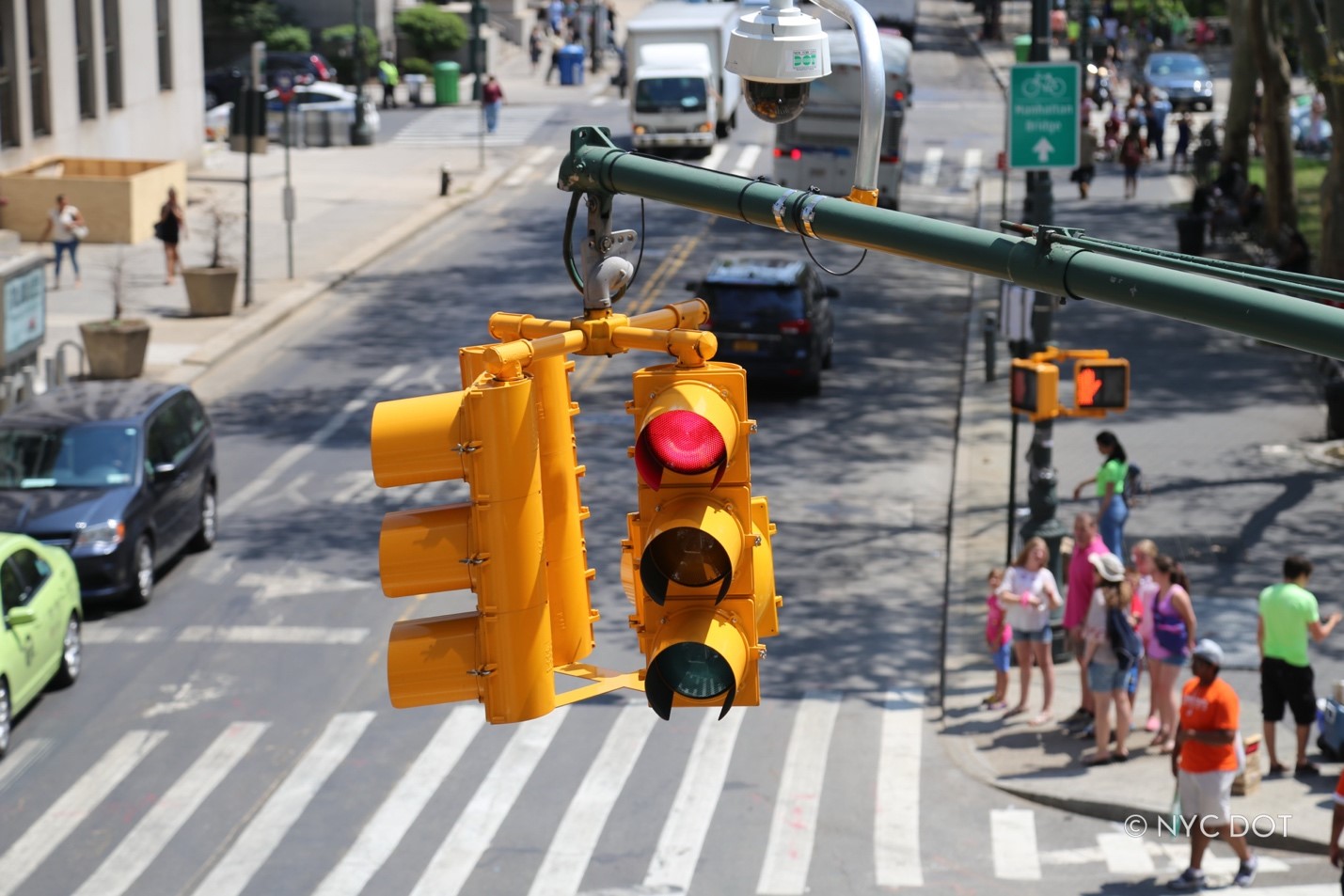
The New York City Department of Transportation (NYC DOT) has initiated the activation of additional red light cameras across the city to improve safety at intersections. This expansion aligns with the United Nations Sustainable Development Goals (SDGs), particularly SDG 3 (Good Health and Well-being) and SDG 11 (Sustainable Cities and Communities), by aiming to reduce traffic-related injuries and fatalities.
Program Expansion Details
- Activation of red light cameras at 50 new intersections weekly over five weeks.
- Expansion from 150 to 600 intersections by the end of 2026, as authorized by state legislation.
- Selection of new camera locations based on crash history and safety criteria.
Impact on Traffic Safety
- 73% reduction in red-light running at monitored intersections.
- 65% decrease in T-bone crashes.
- 49% decline in rear-end collisions.
- Significant reduction in repeat offenders, with 94% of violators receiving no more than two violations annually.
Statements from Key Stakeholders
- NYC DOT Commissioner Mike Flynn: Emphasized the dangers of red light running and the effectiveness of cameras combined with street redesigns to enhance safety.
- State Senator Andrew Gounardes: Highlighted the legislative support for expansion based on proven safety outcomes.
- Assemblymember Jeffrey Dinowitz: Acknowledged the essential role of increased cameras in improving public safety across boroughs.
- Councilmember Lincoln Restler: Recognized the City Council’s leadership in life-saving legislation and the importance of installing cameras at dangerous intersections.
- Councilmember Selvena N. Brooks-Powers: Stressed the need for data-driven, equitable deployment paired with street design improvements.
- Ben Furnas, Executive Director of Transportation Alternatives: Affirmed red light cameras as a critical tool in achieving Vision Zero goals.
- Kate Brockwehl, Families for Safe Streets Co-chair: Shared personal testimony underscoring the necessity of red light cameras to prevent injuries and fatalities.
- Sara Lind, Co-executive Director at Open Plans: Praised the program’s effectiveness in changing driver behavior and enhancing street security.
- Tiffany-Ann Taylor, VP of Transportation at Regional Plan Association: Supported the expansion as a measure to reduce traffic violence and advance Vision Zero objectives.
Alignment with Sustainable Development Goals
- SDG 3 – Good Health and Well-being: The reduction in traffic accidents contributes to lowering injury and fatality rates, promoting safer urban environments.
- SDG 11 – Sustainable Cities and Communities: Enhancing street safety supports the development of inclusive, safe, resilient, and sustainable cities.
- SDG 17 – Partnerships for the Goals: Collaboration among government agencies, legislators, advocacy groups, and community organizations exemplifies effective partnerships to achieve safety goals.
Conclusion
The NYC DOT’s expansion of the red light camera program represents a strategic initiative to improve urban traffic safety, reduce preventable injuries and deaths, and foster sustainable city development. By leveraging technology and data-driven approaches, the program supports the achievement of key Sustainable Development Goals, ensuring safer streets for all New Yorkers.
1. Sustainable Development Goals (SDGs) Addressed or Connected
- SDG 3: Good Health and Well-being
- The article focuses on reducing traffic accidents and fatalities, directly contributing to ensuring healthy lives and promoting well-being for all ages.
- SDG 11: Sustainable Cities and Communities
- The expansion of red light cameras aims to make city streets safer and more sustainable by reducing traffic-related injuries and deaths.
- SDG 16: Peace, Justice, and Strong Institutions
- Enforcement of traffic laws through red light cameras promotes accountable and inclusive institutions and reduces violence on the streets.
2. Specific Targets Under Those SDGs Identified
- SDG 3 Targets
- Target 3.6: By 2020, halve the number of global deaths and injuries from road traffic accidents.
- SDG 11 Targets
- Target 11.2: By 2030, provide access to safe, affordable, accessible and sustainable transport systems for all, improving road safety.
- Target 11.6: Reduce the adverse per capita environmental impact of cities, including by paying special attention to air quality and municipal and other waste management (implied through safer traffic management).
- SDG 16 Targets
- Target 16.1: Significantly reduce all forms of violence and related death rates everywhere.
- Target 16.3: Promote the rule of law at the national and international levels and ensure equal access to justice for all.
3. Indicators Mentioned or Implied to Measure Progress
- Reduction in Red-Light Running
- The article mentions a 73% decline in red-light running at intersections with cameras, which can be used as an indicator of improved driver compliance.
- Decrease in Traffic Crashes
- Indicators include a 65% decline in T-bone crashes and a 49% drop in rear-end collisions, measuring the effectiveness of the cameras in reducing accidents.
- Number of Violations per Vehicle
- Tracking vehicles with multiple violations (e.g., vehicles with five or more violations being more likely to cause serious crashes) serves as an indicator of repeat offenders and risk levels.
- Number of Intersections Equipped with Cameras
- Progress can be measured by the number of intersections with active red light cameras, aiming for 600 by the end of 2026.
- Crash History Data
- Use of crash history to prioritize camera placement implies monitoring crash frequency and severity as indicators.
4. Table of SDGs, Targets, and Indicators
| SDGs | Targets | Indicators |
|---|---|---|
| SDG 3: Good Health and Well-being | Target 3.6: Halve the number of global deaths and injuries from road traffic accidents by 2020 |
|
| SDG 11: Sustainable Cities and Communities |
|
|
| SDG 16: Peace, Justice, and Strong Institutions |
|
|
Source: nyc.gov
What is Your Reaction?
 Like
0
Like
0
 Dislike
0
Dislike
0
 Love
0
Love
0
 Funny
0
Funny
0
 Angry
0
Angry
0
 Sad
0
Sad
0
 Wow
0
Wow
0