
































Triple-negative breast cancer vaccine shows promise in early clinical trial – NBC News
Report on Novel Vaccine Trial for Triple-Negative Breast Cancer and Its Alignment with Sustainable Development Goals (SDGs)
Introduction
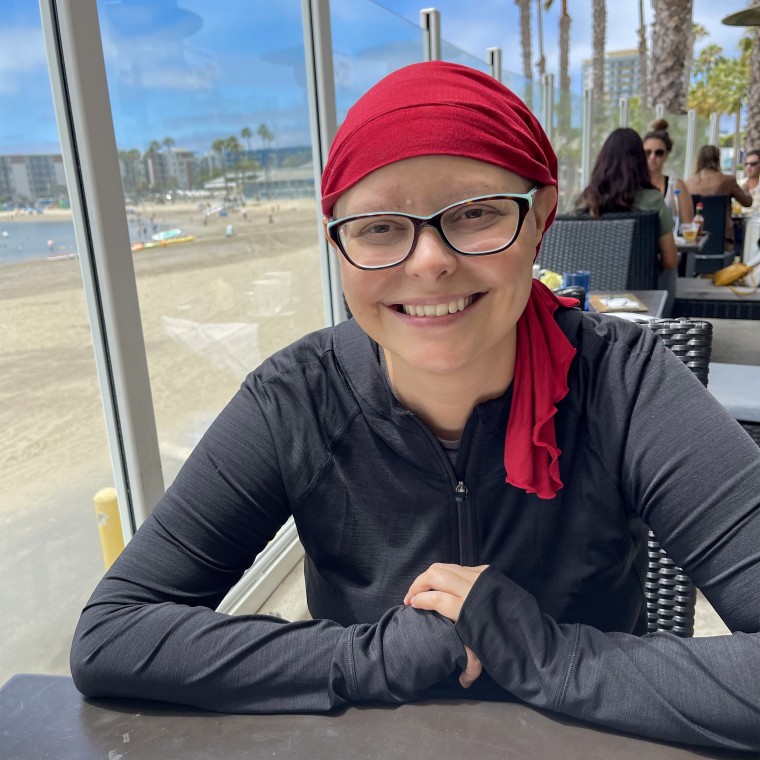
Chase Johnson, a 31-year-old woman from Cary, North Carolina, experienced unusual behavior from her dog, which led to the discovery of a hard lump in her breast. Diagnosed in February 2021 with triple-negative breast cancer (TNBC), an aggressive form of breast cancer, Johnson’s case highlights the critical need for innovative treatments and prevention strategies aligned with the United Nations Sustainable Development Goals (SDGs), particularly SDG 3: Good Health and Well-being.
Background on Triple-Negative Breast Cancer
- Triple-negative breast cancer lacks estrogen receptors, progesterone receptors, and HER2 protein, making it difficult to treat with targeted therapies.
- Approximately 40% of women with TNBC experience recurrence within five years, with about 30% of recurrences occurring in the brain, and others in the lungs, liver, and lymph nodes.
- Current treatment includes chemotherapy, surgery, and radiation, but options remain limited, emphasizing the need for new interventions.
Case Study: Chase Johnson’s Treatment Journey
- Four months of intravenous chemotherapy and surgery to remove tumor and lymph nodes.
- Six months of oral chemotherapy and 24 rounds of radiation therapy.
- Post-treatment, Johnson sought preventive measures against cancer recurrence.
Clinical Trial of a Novel Vaccine Targeting α-Lactalbumin
In December 2022, Johnson enrolled in a Phase 1 clinical trial at the Cleveland Clinic testing a vaccine aimed at preventing TNBC recurrence by targeting the protein α-lactalbumin, present in about 70% of TNBC tumors.
Trial Design and Participants
- Phase 1 trial included 35 women divided into three groups:
- Women recovered from early-stage TNBC, tumor-free but at high risk of recurrence.
- Women with residual tumor cells after early-stage treatment.
- Women with genetic predisposition to TNBC (e.g., BRCA gene carriers) but not yet diagnosed.
Findings and Safety
- 74% of participants developed an immune response to the vaccine.
- No serious adverse events reported; minor side effects included redness or lumps at injection sites.
- Potential risk of autoimmune response in lactating women; breastfeeding women are advised against participation.
Implications for Sustainable Development Goals (SDGs)
- SDG 3: Good Health and Well-being
- Advancement in cancer treatment research promotes health and well-being by potentially reducing mortality and morbidity associated with TNBC.
- Early detection and innovative therapies align with targets to reduce premature mortality from non-communicable diseases.
- SDG 9: Industry, Innovation, and Infrastructure
- Development of novel vaccines exemplifies innovation in medical research and healthcare infrastructure.
- SDG 10: Reduced Inequalities
- Clinical trials and new treatments can improve access to effective care for populations disproportionately affected by aggressive cancers.
Future Directions
- A Phase 2 trial is planned to evaluate the vaccine’s effectiveness in reducing TNBC recurrence risk.
- Subsequent trials will investigate preventive potential in genetically predisposed individuals.
- Experts emphasize the vaccine’s promise in preventing first occurrences or recurrences rather than targeting residual tumor cells.
- Ongoing research aims to identify additional tumor-specific targets to develop novel therapies, potentially transforming TNBC prognosis.
Expert Commentary
Dr. G. Thomas Budd, trial leader at Cleveland Clinic, highlighted the vaccine’s safety and immune response induction but noted that its impact on recurrence prevention remains to be determined.
Justin Balko from Vanderbilt-Ingram Cancer Center emphasized the vaccine’s preventive potential, given tumor cells’ ability to evade immune detection over time.
Dr. Larry Norton of Memorial Sloan Kettering Cancer Center underscored the urgent need for targeted treatments in TNBC, which currently relies heavily on chemotherapy, and expressed optimism about future breakthroughs.
Conclusion
The ongoing clinical trial of the α-lactalbumin-targeting vaccine represents a significant step toward addressing the challenges of triple-negative breast cancer. This research aligns with global efforts to achieve the Sustainable Development Goals by promoting health innovation, reducing disease burden, and improving equitable access to advanced medical care.
1. Sustainable Development Goals (SDGs) Addressed or Connected
- SDG 3: Good Health and Well-being
- The article focuses on breast cancer diagnosis, treatment, and prevention, directly relating to ensuring healthy lives and promoting well-being for all ages.
- SDG 9: Industry, Innovation and Infrastructure
- The development and testing of a novel vaccine for triple-negative breast cancer reflects innovation in medical research and infrastructure.
- SDG 10: Reduced Inequalities
- The article highlights the limited treatment options for triple-negative breast cancer, implying the need for equitable healthcare access and reducing disparities in cancer treatment outcomes.
2. Specific Targets Under Those SDGs
- SDG 3: Good Health and Well-being
- Target 3.4: By 2030, reduce by one third premature mortality from non-communicable diseases through prevention and treatment and promote mental health and well-being.
- Target 3.b: Support the research and development of vaccines and medicines for the communicable and non-communicable diseases that primarily affect developing countries.
- Target 3.c: Substantially increase health financing and recruitment, development, training and retention of the health workforce in developing countries.
- SDG 9: Industry, Innovation and Infrastructure
- Target 9.5: Enhance scientific research, upgrade the technological capabilities of industrial sectors, including health-related industries.
- SDG 10: Reduced Inequalities
- Target 10.2: By 2030, empower and promote the social, economic and political inclusion of all, irrespective of age, sex, disability, race, ethnicity, origin, religion or economic or other status.
3. Indicators Mentioned or Implied to Measure Progress
- SDG 3 Indicators
- Indicator 3.4.1: Mortality rate attributed to cardiovascular disease, cancer, diabetes or chronic respiratory disease.
- Indicator 3.b.1: Proportion of the population with access to affordable essential medicines and vaccines on a sustainable basis.
- Indicator 3.b.3: Proportion of health facilities that have a core set of relevant essential medicines available and affordable on a sustainable basis.
- Clinical Trial Progress Indicators (Implied)
- Percentage of patients developing an immune response to the vaccine (74% in Phase 1 trial).
- Safety indicators such as adverse events reported during the trial.
- Recurrence rates of triple-negative breast cancer post-vaccine administration (to be measured in Phase 2 and future trials).
- Innovation Indicators (Implied under SDG 9)
- Number of clinical trials initiated and completed for novel cancer vaccines.
- Development and approval of new targeted therapies for triple-negative breast cancer.
4. Table of SDGs, Targets and Indicators
| SDGs | Targets | Indicators |
|---|---|---|
| SDG 3: Good Health and Well-being |
|
|
| SDG 9: Industry, Innovation and Infrastructure |
|
|
| SDG 10: Reduced Inequalities |
|
|
Source: nbcnews.com
What is Your Reaction?
 Like
0
Like
0
 Dislike
0
Dislike
0
 Love
0
Love
0
 Funny
0
Funny
0
 Angry
0
Angry
0
 Sad
0
Sad
0
 Wow
0
Wow
0