






















































Türkiye Maarif Foundation leads international education initiatives | Daily Sabah – Daily Sabah
Report on the Turkish Maarif Foundation’s Global Education Strategy and Alignment with Sustainable Development Goals
1.0 Introduction and Mandate
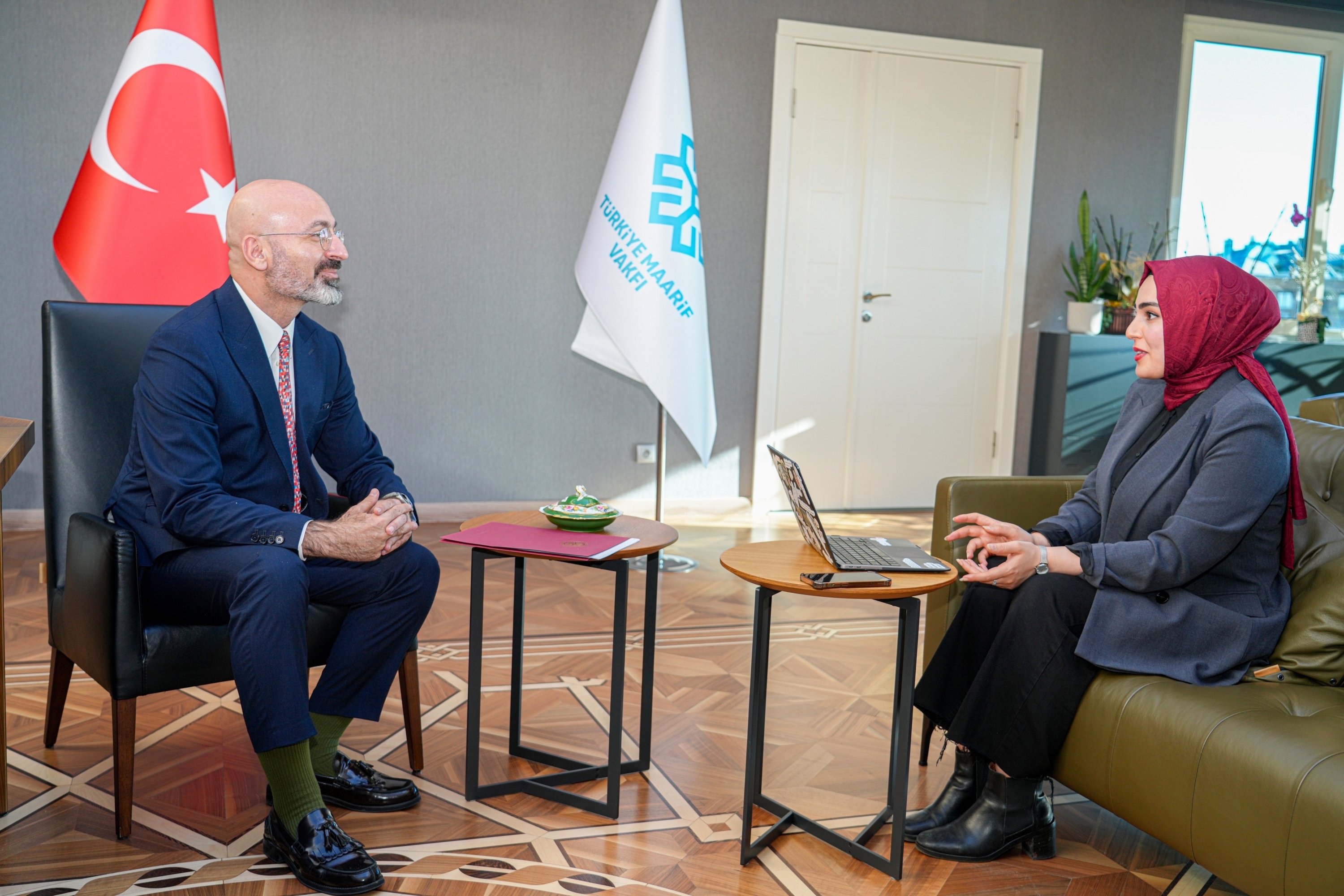
The Turkish Maarif Foundation (TMV), established by law in 2016, has become a significant actor in international education. Its establishment coincided with the July 15 coup attempt in Türkiye, which directly shaped its initial mandate and operational roadmap. The foundation was tasked with providing formal and non-formal education services globally, with an immediate priority of assuming control of schools abroad previously affiliated with the FETÖ organization. This directive was aimed at transforming these institutions into high-quality educational centers, thereby contributing to the development of strong, accountable, and transparent institutions, a key target of Sustainable Development Goal 16 (Peace, Justice, and Strong Institutions). TMV currently operates in approximately 64 countries, serving over 70,000 students across more than 600 educational institutions.
2.0 Contribution to Sustainable Development Goals (SDGs)
TMV’s operations are intrinsically linked to several key United Nations Sustainable Development Goals, primarily focusing on education, equality, and global partnerships.
2.1 SDG 4: Quality Education
TMV’s core mission is the advancement of inclusive and equitable quality education. Its efforts align directly with SDG 4 through several strategic initiatives:
- Institutional Rehabilitation: Upon taking control of former FETÖ-affiliated schools, which constituted approximately one-third of its network, TMV prioritized the rapid upgrade of their physical and academic standards to meet international criteria.
- Teacher Development: Recognizing that educators are central to quality education, TMV implements structured professional development programs to support teachers’ continuous growth. The recruitment process emphasizes candidates capable of building meaningful connections with students.
- Curriculum Innovation: The foundation is developing a modern curriculum that includes subjects like artificial intelligence from the middle school level, preparing students for future technological landscapes.
- Global Citizenship: Students are encouraged to participate in international projects and platforms like the Model OIC and Model U.N., fostering a global perspective while maintaining their cultural identity, in line with SDG Target 4.7.
2.2 SDG 10: Reduced Inequalities
The foundation actively works to reduce inequalities within and among countries through targeted educational support:
- Support for Vulnerable Youth: In European nations such as Germany and France, TMV operates education centers for immigrant-origin youth, addressing challenges like language barriers and low academic performance to enhance their social engagement and economic opportunities.
- Accessible Education: TMV offers need-based and merit-based scholarships to ensure that financial constraints do not prevent students from accessing quality education. This includes the “Maarif Excellence Scholarship,” developed to support and mentor top-performing students.
2.3 SDG 17: Partnerships for the Goals
TMV’s operational model is built on a foundation of collaboration and partnership, reflecting the principles of SDG 17:
- Inter-Governmental Collaboration: The foundation works in close coordination with Türkiye’s Ministry of National Education and Ministry of Foreign Affairs.
- Host Country Engagement: TMV fosters balanced partnerships with host nations, co-developing educational programs through consultation with local Ministries of Education to ensure curricula are nourished by local needs, social fabric, and cultural context.
- Multi-Stakeholder Initiatives: The upcoming Istanbul Education Summit and the scholarship program with the Presidency for Turks Abroad and Related Communities (YTB) exemplify TMV’s commitment to building multi-stakeholder partnerships to achieve educational goals.
3.0 International Education Strategy and Philosophy
3.1 A Context-Specific Educational Model
TMV rejects a uniform, one-size-fits-all approach to international education. The foundation’s strategy emphasizes that its educational model must be integrated with the local framework rather than being imposed. This approach is defined by mutual learning, sharing, and co-production with local communities. A significant portion of the teaching staff consists of local educators, ensuring that programs are culturally and socially relevant. This dynamic process is enriched by the needs and contributions of students, families, and the broader community.
3.2 Cultivating Student Profile and Institutional Intellect
The foundation’s educational philosophy aims to cultivate graduates who are intelligent, conscientious, strong-willed, active, and virtuous individuals. The curriculum and student experiences are designed to reinforce these values while allowing each individual to develop their own unique identity. Beyond establishing schools, TMV is focused on building institutional intellect by continuously developing its educational philosophy, objectives, and methods. Quality assurance is maintained through a strong pedagogical framework and a reliable accreditation structure.
Analysis of Sustainable Development Goals in the Article
SDG 4: Quality Education
- The entire article focuses on the Turkish Maarif Foundation’s (TMV) mission to “provide formal and non-formal education services abroad.” This directly addresses the core objective of SDG 4, which is to ensure inclusive and equitable quality education and promote lifelong learning opportunities for all. The foundation’s work involves taking over schools, upgrading their “physical and academic standards,” developing its own education model, and providing continuous professional development for teachers.
SDG 10: Reduced Inequalities
- The article highlights TMV’s specific efforts to support “immigrant-origin youth in Europe” who face challenges such as “low academic performance, language barriers and limited job opportunities.” By creating education centers that offer programs to “boost academic success, self-confidence and social engagement,” TMV is actively working to reduce educational and social inequalities for a vulnerable demographic. The provision of need-based scholarships further supports students from disadvantaged financial backgrounds, contributing to greater equity in access to education.
SDG 16: Peace, Justice and Strong Institutions
- The establishment and mission of TMV are directly linked to strengthening institutions in the wake of a national crisis. The article explains that TMV was tasked with assuming control of schools abroad affiliated with the FETÖ organization, which was responsible for the “failed July 15 coup attempt.” By transforming these schools into “high-quality educational institutions” with a “reliable accreditation structure,” TMV is contributing to building effective, accountable, and transparent educational institutions, replacing those that were associated with instability and a threat to justice.
SDG 17: Partnerships for the Goals
- The article repeatedly emphasizes the collaborative nature of TMV’s work. It mentions that TMV “collaborated closely with the Ministry of National Education and the Ministry of Foreign Affairs” in Türkiye. Internationally, the foundation’s approach involves “fostering a balanced partnership with the host nation” and shaping programs through “close consultation with the Ministries of Education in host countries.” This multi-stakeholder approach, involving national governments, host country governments, and a civil society foundation, is a clear example of the partnerships required to achieve the SDGs.
Specific Targets Identified
Targets under SDG 4: Quality Education
- Target 4.1: Ensure that all girls and boys complete free, equitable and quality primary and secondary education. The article states TMV operates over 600 educational institutions in 64 countries, with a mandate to transform them into “high-quality educational institutions,” directly contributing to this target.
- Target 4.7: Ensure all learners acquire knowledge and skills needed to promote sustainable development, including global citizenship and appreciation of cultural diversity. TMV’s goal is to help students “confidently embrace their own cultures while developing a broad global perspective” and engage in platforms like Model U.N. to “address global issues,” which aligns perfectly with this target.
- Target 4.c: Substantially increase the supply of qualified teachers. The article highlights TMV’s focus on educators, stating, “Throughout the year, we offer structured development programs by subject and grade to support their ongoing growth,” which is a direct action to improve teacher quality and supply.
Targets under SDG 10: Reduced Inequalities
- Target 10.2: Empower and promote the social, economic and political inclusion of all, irrespective of origin or other status. TMV’s work with immigrant-origin youth in Europe, who face systemic barriers, aims to foster their inclusion by boosting “academic success, self-confidence and social engagement.”
- Target 10.3: Ensure equal opportunity and reduce inequalities of outcome. The provision of “need-based” scholarships and special programs for international students directly addresses this target by removing financial barriers and providing support to ensure students can succeed regardless of their economic background.
Targets under SDG 16: Peace, Justice and Strong Institutions
- Target 16.6: Develop effective, accountable and transparent institutions at all levels. TMV’s core mission to take over schools from an organization linked to a coup attempt and rehabilitate them with a “strong pedagogical framework” and a “reliable accreditation structure” is a direct contribution to building stronger, more accountable institutions.
Targets under SDG 17: Partnerships for the Goals
- Target 17.16: Enhance the global partnership for sustainable development, complemented by multi-stakeholder partnerships. The article describes TMV’s model as a “commitment to mutual learning, sharing and coproduction” with host nations and its close collaboration with various government ministries, embodying the spirit of this target.
Indicators Mentioned or Implied
Indicators for SDG 4: Quality Education
- Number of operational countries, institutions, and students: The article states TMV operates in “approximately 64 countries, overseeing more than 70,000 students and over 600 educational institutions.” These figures serve as quantitative indicators of the reach of its educational services.
- Teacher professional development programs: The existence of “structured development programs” for teachers is a qualitative indicator of the commitment to improving teacher quality.
- Curriculum development: The introduction of an “artificial intelligence education” curriculum is a specific indicator of efforts to provide relevant and modern skills.
Indicators for SDG 10: Reduced Inequalities
- Number of support programs for vulnerable groups: The establishment of “education centers” for immigrant-origin youth in Europe is a measurable indicator.
- Provision of financial aid: The existence of “need-based” and “merit-based” scholarships, including the “Maarif Excellence Scholarship,” serves as an indicator of efforts to ensure equal opportunity.
Indicators for SDG 16: Peace, Justice and Strong Institutions
- Number of rehabilitated institutions: The article notes that “FETÖ-affiliated schools represent about one-third of TMV’s network,” indicating a specific number of institutions being transformed from a source of instability into accountable educational bodies.
- Establishment of quality assurance frameworks: The development of a “strong pedagogical framework” and a “reliable accreditation structure” are qualitative indicators of institutional strength and accountability.
Indicators for SDG 17: Partnerships for the Goals
- Number of formal partnerships: The mention of close collaboration with Türkiye’s Ministry of National Education and Ministry of Foreign Affairs, as well as “Ministries of Education in host countries,” implies the existence of formal partnerships that can be counted.
- Joint program development: The practice of “jointly analyzing their needs” with host countries to shape educational programs is a qualitative indicator of effective partnership and co-production.
Summary Table of SDGs, Targets, and Indicators
| SDGs | Targets | Indicators |
|---|---|---|
| SDG 4: Quality Education |
|
|
| SDG 10: Reduced Inequalities |
|
|
| SDG 16: Peace, Justice and Strong Institutions |
|
|
| SDG 17: Partnerships for the Goals |
|
|
Source: dailysabah.com
What is Your Reaction?
 Like
0
Like
0
 Dislike
0
Dislike
0
 Love
0
Love
0
 Funny
0
Funny
0
 Angry
0
Angry
0
 Sad
0
Sad
0
 Wow
0
Wow
0