
















Waterdrop G3P600 Reverse Osmosis System Review – techgearlab.com
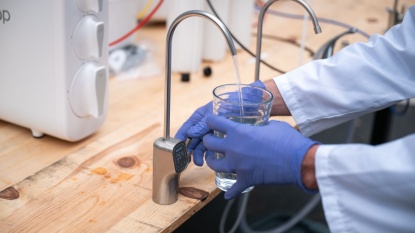
Waterdrop G3P600 Reverse Osmosis System: A Sustainable Solution for Clean Water
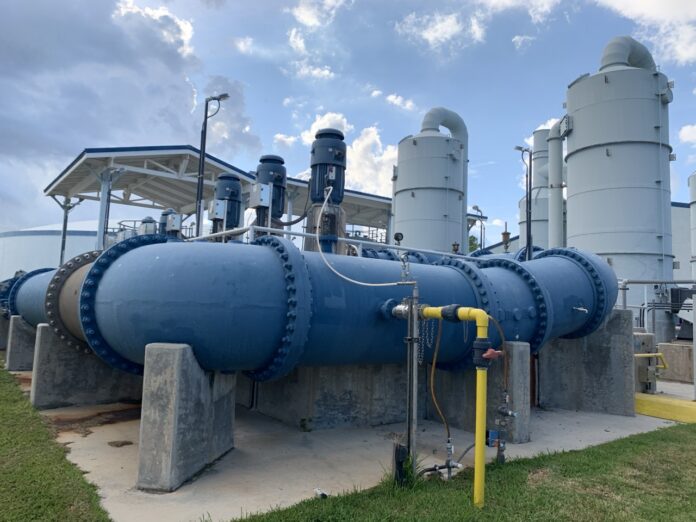
The Waterdrop G3P600 Reverse Osmosis (RO) System offers a production capacity of 600 gallons per day with an efficient 2:1 low-drain ratio. This design minimizes water waste, aligning with Sustainable Development Goal (SDG) 6: Clean Water and Sanitation, by promoting water-use efficiency and responsible consumption. The tankless design provides purified water on demand, eliminating the need for bulky storage tanks and reducing material usage, supporting SDG 12: Responsible Consumption and Production.
Space Efficiency and User Convenience
- Compact under-sink installation saves valuable kitchen space.
- Maintains under-sink storage area, enhancing household resource efficiency.
- Integrated water quality monitoring supports informed water use.
PFAS Forever Chemical Removal
The Waterdrop G3P600 achieved a 100% removal rate of PFAS (per- and polyfluoroalkyl substances), known as “forever chemicals,” during laboratory testing. This performance surpasses the average 90.2% removal rate observed in comparable systems, contributing to SDG 3: Good Health and Well-being by reducing exposure to harmful contaminants.
| Product | Total PFAS Reduction (%) | PFNA Reduction (%) | PFBA Reduction (%) |
|---|---|---|---|
| Waterdrop G3P600 RO | 100 | 100 | 100 |
| Average | 90.2 | 89 | 97.8 |
Critical Contaminant Removal
The system’s advanced 8-stage filtration effectively reduces critical contaminants such as lead, arsenic, and uranium to undetectable levels, ensuring water safety and supporting SDG 3: Good Health and Well-being. Testers awarded the system a perfect score in this category.
| Product | Lead Removal (%) | Arsenic Removal (%) | Uranium Removal (%) |
|---|---|---|---|
| Waterdrop G3P600 RO | 100 | 100 | 100 |
| Average | 98.6 | 45.8 | 82.1 |
Fluoride removal reached 85% in highly contaminated samples, maintaining safe levels but not complete elimination, which may be relevant for users with specific health preferences.
Heavy Metal and Trace Element Removal
The Waterdrop G3P600 demonstrates high efficiency in removing heavy metals such as copper, cadmium, and barium, contributing to safer drinking water and supporting SDG 3. Trace elements like selenium are minimally affected under normal water conditions.
| Product | Iron Removal (%) | Copper Removal (%) | Barium Removal (%) | Zinc Removal (%) |
|---|---|---|---|---|
| Waterdrop G3P600 RO | 100 | 96 | 88 | 87 |
| Average | 90.3 | 86.6 | 76.1 | 75.8 |
An alkaline remineralization stage reintroduces beneficial minerals, enhancing taste and supporting SDG 3 by promoting well-being through improved water quality.
Taste and User Experience
- Consistently crisp, clean taste without chlorine or off-flavors.
- Enhanced flavor in beverages such as coffee and tea.
- Initial minor plastic taste dissipates with use.
Maintenance and Installation
- Installation requires basic DIY skills, under-sink electricity, and sufficient space.
- Quick-connect fittings and tankless design simplify filter replacement, reducing maintenance time and waste.
- Smart faucet and TDS display facilitate water quality monitoring, promoting informed consumption (SDG 6).
- Professional installation recommended for complex setups to ensure optimal performance.
Operating Costs and Sustainability
- Filter replacement costs are higher than pitcher-style and some RO systems but offset by long filter lifespans.
- RO membrane lasts up to 24 months; pre-filters last 6–12 months; carbon blocks last up to 12 months.
- Estimated five-year filter replacement cost: approximately $590.
- Tankless design reduces plastic waste associated with storage tanks, supporting SDG 12.
Conclusion: Suitability and Sustainability Impact
The Waterdrop G3P600 Reverse Osmosis System is an excellent choice for households prioritizing high-quality water filtration with minimal environmental impact. Its efficient water use, contaminant removal, and compact design contribute to multiple Sustainable Development Goals, including SDG 3 (Good Health and Well-being), SDG 6 (Clean Water and Sanitation), and SDG 12 (Responsible Consumption and Production). While installation and operating costs may be higher than some alternatives, the system’s performance and sustainability benefits make it a valuable investment for eco-conscious consumers.
Alternative Water Filtration Systems
For users open to systems with storage tanks, the following alternatives offer strong filtration and remineralization features:
- iSpring RCC7AK – Provides effective contaminant removal with an alkaline remineralization stage.
- APEC ROES-50 Essence Series – Recognized for nearly flawless filtration and cost efficiency over time.
1. Sustainable Development Goals (SDGs) Addressed or Connected
-
SDG 6: Clean Water and Sanitation
- The article focuses on a reverse osmosis (RO) water filtration system that provides purified water by removing contaminants, heavy metals, and harmful chemicals, directly contributing to ensuring availability and sustainable management of water.
-
SDG 3: Good Health and Well-being
- By removing toxic substances such as lead, arsenic, PFAS chemicals, and other contaminants from drinking water, the system supports improved health outcomes and reduces risks of waterborne diseases and chemical exposure.
-
SDG 12: Responsible Consumption and Production
- The system’s efficient design with a low drain ratio and tankless feature minimizes water waste and optimizes resource use, aligning with sustainable consumption and production patterns.
-
SDG 9: Industry, Innovation and Infrastructure
- The advanced 8-stage filtration technology and smart monitoring features represent innovation in water purification infrastructure.
2. Specific Targets Under Identified SDGs
-
SDG 6 Targets
- 6.1: Achieve universal and equitable access to safe and affordable drinking water for all.
- 6.3: Improve water quality by reducing pollution, eliminating dumping, and minimizing release of hazardous chemicals and materials.
- 6.4: Increase water-use efficiency across all sectors to ensure sustainable withdrawals and supply of freshwater.
-
SDG 3 Targets
- 3.9: Reduce the number of deaths and illnesses from hazardous chemicals and air, water, and soil pollution and contamination.
-
SDG 12 Targets
- 12.2: Achieve sustainable management and efficient use of natural resources.
-
SDG 9 Targets
- 9.4: Upgrade infrastructure and retrofit industries to make them sustainable, with increased resource-use efficiency and greater adoption of clean and environmentally sound technologies.
3. Indicators Mentioned or Implied to Measure Progress
-
Water Quality Indicators
- Percentage removal rates of contaminants such as PFAS chemicals (100% removal reported), lead, arsenic, uranium, fluoride, copper, cadmium, barium, and zinc.
- Effectiveness of filtration stages in reducing contaminants to undetectable or safe levels.
-
Water Efficiency Indicators
- Drain ratio of 2:1 indicating water use efficiency and waste minimization.
- Tankless design contributing to space efficiency and reduced material use.
-
Health and Safety Indicators
- Reduction in exposure to hazardous chemicals and heavy metals measured by lab test results.
- Consumer reports on taste and absence of harmful substances like chlorine.
-
Operational Indicators
- Filter lifespan and replacement frequency (e.g., RO membrane lasting 24 months) as a measure of sustainability and cost-efficiency.
- Smart faucet and TDS (Total Dissolved Solids) display for real-time water quality monitoring.
4. Table of SDGs, Targets, and Indicators
| SDGs | Targets | Indicators |
|---|---|---|
| SDG 6: Clean Water and Sanitation |
|
|
| SDG 3: Good Health and Well-being |
|
|
| SDG 12: Responsible Consumption and Production |
|
|
| SDG 9: Industry, Innovation and Infrastructure |
|
|
Source: techgearlab.com
What is Your Reaction?
 Like
0
Like
0
 Dislike
0
Dislike
0
 Love
0
Love
0
 Funny
0
Funny
0
 Angry
0
Angry
0
 Sad
0
Sad
0
 Wow
0
Wow
0