










































Watsonville hospital clinic working to expand health care access – KSBW

Report on Healthcare Accessibility and Sustainability in Watsonville
Introduction: Addressing SDG 3 through Localized Healthcare Expansion
In January, Watsonville Community Hospital launched the Coastal Healthcare clinic, a strategic initiative aimed at expanding primary care access. This development directly addresses the United Nations’ Sustainable Development Goal 3 (SDG 3: Good Health and Well-being) by providing same-day care and accepting a majority of health insurance plans. The clinic’s establishment comes at a critical time, as the regional and national healthcare systems face significant challenges that threaten universal health coverage.
Key Challenges to Achieving SDG 3 (Good Health and Well-being)
Workforce and Economic Pressures
Several interconnected factors are creating significant barriers to maintaining a robust healthcare system, impacting SDG 8 (Decent Work and Economic Growth) within the medical field.
- Physician Shortage: A report from the University of California, San Francisco (UCSF) indicates that nearly half of physicians in the state are over 55, signaling a wave of impending retirements. This demographic shift is exacerbated by fewer new doctors entering the profession due to prohibitive student debt.
- Recruitment Difficulties: The high cost of living on the Central Coast presents a major obstacle for hospitals attempting to recruit new medical professionals.
- Financial Instability: Watsonville Community Hospital faces potential federal funding cuts starting in 2026, which could result in an annual loss of between $4 million and $9 million, jeopardizing its operational capacity.
Health Coverage and Affordability
Ensuring equitable access to healthcare is a core tenet of SDG 10 (Reduced Inequalities). However, several trends threaten to widen the gap in healthcare access for Santa Cruz County residents.
- Rising Premiums: Despite over 93% of county residents having health insurance, a county report projects that premiums for Covered California plans could increase by an average of 66%.
- Loss of Coverage: It is estimated that at least 21,000 residents could lose their health coverage by 2028. This is attributed to new Medi-Cal eligibility requirements and state budget cuts affecting immigrant populations.
Strategic Initiatives to Advance Universal Health Coverage (SDG Target 3.8)
The Coastal Healthcare Clinic Model
The new clinic employs a multi-faceted approach to mitigate these challenges and improve patient outcomes. The model is built on efficiency, experience, and patient-centered care.
- Enhanced Operational Efficiency: The clinic utilizes artificial intelligence to streamline electronic record-keeping and employs secondary staff for scribing duties. This reduces the administrative burden on physicians, allowing them to dedicate more time to direct patient consultation and education.
- Improved Patient Experience: By optimizing workflows, the clinic, which currently serves 25 to 30 patients daily, minimizes wait times, respecting the schedules of working individuals and families.
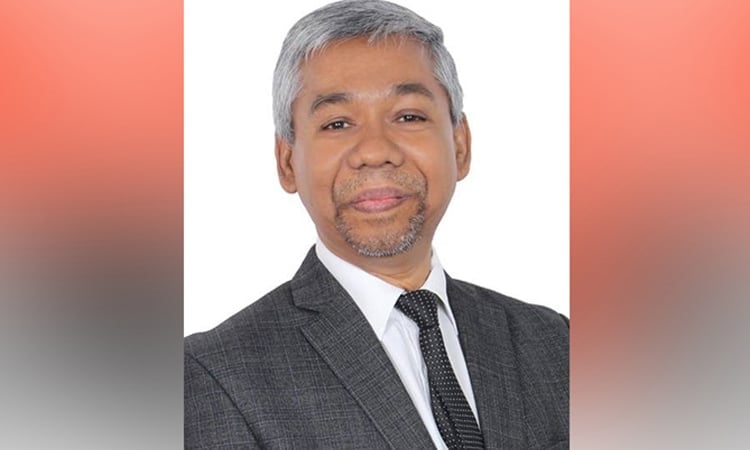
- Commitment from Veteran Professionals: To counter the immediate effects of the doctor shortage, experienced physicians like Dr. Frank Ravago have postponed retirement to support and lead new healthcare programs.
Call to Action for Collaborative Partnerships (SDG 17)
The long-term success of local healthcare initiatives hinges on strong collaborations, a principle central to SDG 17 (Partnerships for the Goals). Dr. Ravago emphasized the critical need for a unified effort from government bodies and the local population. Sustaining essential services like the Watsonville Community Hospital and the Coastal Healthcare clinic requires active support from the community they serve. Such partnerships are fundamental to building a resilient healthcare infrastructure that supports a healthy and sustainable community, in line with SDG 11 (Sustainable Cities and Communities).
Analysis of Sustainable Development Goals in the Article
1. Which SDGs are addressed or connected to the issues highlighted in the article?
-
SDG 3: Good Health and Well-being
This is the primary SDG addressed. The article focuses on expanding access to primary healthcare through the new Coastal Healthcare clinic, tackling doctor shortages, ensuring health insurance coverage, and improving the quality of patient care.
-
SDG 8: Decent Work and Economic Growth
The article touches upon the challenges facing the healthcare workforce. It discusses the reasons for doctor shortages, such as heavy student debt and the high cost of living, which affect the recruitment and retention of physicians, impacting the “decent work” aspect for health professionals.
-
SDG 10: Reduced Inequalities
The article highlights potential inequalities in healthcare access. It mentions that 21,000 residents, including immigrants, could lose their health coverage due to policy changes and budget cuts. The clinic’s policy of accepting most health insurances is an effort to mitigate these inequalities.
-
SDG 11: Sustainable Cities and Communities
The establishment of the clinic is a community-focused initiative to ensure residents have access to essential basic services (healthcare). The call for community and local government support for the hospital underscores the goal of making communities inclusive, safe, resilient, and sustainable.
-
SDG 17: Partnerships for the Goals
The article explicitly mentions the need for collaboration. Dr. Ravago’s call for “assistance from the government and from our local government” and for the “community to stand up and provide that support” is a direct appeal for partnerships to sustain the local healthcare system.
2. What specific targets under those SDGs can be identified based on the article’s content?
-
SDG 3: Good Health and Well-being
- Target 3.8: Achieve universal health coverage, including financial risk protection, access to quality essential health-care services and access to safe, effective, quality and affordable essential medicines and vaccines for all.
The article directly addresses this by discussing the opening of a clinic to expand primary care access, the high percentage of insured residents (93%), the threat of 21,000 people losing coverage, and potential premium increases. - Target 3.c: Substantially increase health financing and the recruitment, development, training and retention of the health workforce.
This target is relevant due to the article’s focus on the growing doctor shortage, the aging physician population, recruitment difficulties due to high living costs, and the significant federal funding cuts threatening the hospital.
- Target 3.8: Achieve universal health coverage, including financial risk protection, access to quality essential health-care services and access to safe, effective, quality and affordable essential medicines and vaccines for all.
-
SDG 10: Reduced Inequalities
- Target 10.2: By 2030, empower and promote the social, economic and political inclusion of all, irrespective of age, sex, disability, race, ethnicity, origin, religion or economic or other status.
The article connects to this target by highlighting the risk of specific groups, including immigrants, losing their health coverage, which would lead to their exclusion from essential healthcare services.
- Target 10.2: By 2030, empower and promote the social, economic and political inclusion of all, irrespective of age, sex, disability, race, ethnicity, origin, religion or economic or other status.
-
SDG 17: Partnerships for the Goals
- Target 17.17: Encourage and promote effective public, public-private and civil society partnerships.
This is demonstrated by the call for the government, local government, and the community to partner in supporting the hospital and clinic to ensure their continued operation.
- Target 17.17: Encourage and promote effective public, public-private and civil society partnerships.
3. Are there any indicators mentioned or implied in the article that can be used to measure progress towards the identified targets?
-
For Target 3.8 (Universal Health Coverage):
- Proportion of population with health coverage: The article states that “More than 93% of Santa Cruz County residents have health insurance.”
- Number of people at risk of losing coverage: The article specifies that “At least 21,000 residents could lose their health coverage by 2028.”
- Affordability of health insurance: A county report is cited, estimating that “premiums for Covered California plans could increase by an average of 66%.”
- Access to primary care services: The clinic’s capacity is mentioned as seeing “about 25 to 30 patients daily.”
-
For Target 3.c (Health Workforce):
- Health worker density and distribution: The article implies a low density through its discussion of a “growing doctor shortage.”
- Age distribution of health workforce: A specific statistic is provided: “nearly half of physicians statewide are over 55 years old.”
- Health financing: The article quantifies the financial threat, stating the hospital “could lose between $4 million and $9 million annually starting in 2026 due to federal cuts.”
4. Summary Table of SDGs, Targets, and Indicators
| SDGs | Targets | Indicators |
|---|---|---|
| SDG 3: Good Health and Well-being |
3.8: Achieve universal health coverage.
3.c: Increase health financing and retention of the health workforce. |
– Percentage of residents with health insurance (93%). – Number of residents at risk of losing health coverage (21,000). – Projected increase in insurance premiums (66%). – Number of patients seen daily at the new clinic (25-30). – Percentage of physicians over 55 (nearly half). – Amount of annual federal funding cuts ($4-9 million). |
| SDG 10: Reduced Inequalities | 10.2: Promote the social inclusion of all. | – Number of residents, including immigrants, who could lose health coverage. |
| SDG 17: Partnerships for the Goals | 17.17: Encourage effective public, public-private and civil society partnerships. | – Mention of seeking assistance from government, local government, and the community. |
Source: ksbw.com
What is Your Reaction?
 Like
0
Like
0
 Dislike
0
Dislike
0
 Love
0
Love
0
 Funny
0
Funny
0
 Angry
0
Angry
0
 Sad
0
Sad
0
 Wow
0
Wow
0