





































Western Spadefoot Recommended for California Endangered Species Review – Center for Biological Diversity
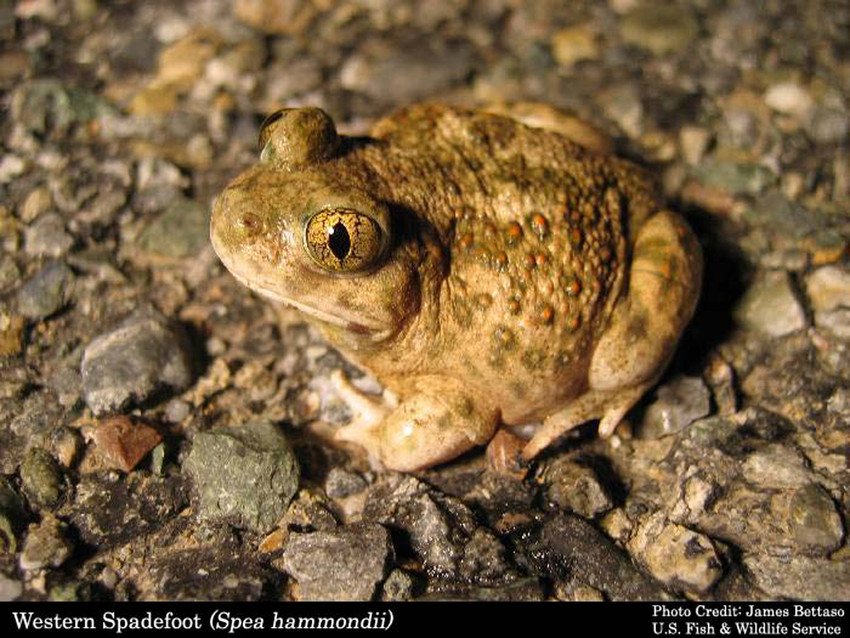
Endangered Species Review Recommended for Western Spadefoot in California
Introduction
The California Department of Fish and Wildlife has recommended that the state wildlife commission conduct an endangered species review for the western spadefoot, a small amphibian native to California. This recommendation aligns with the objectives of the Sustainable Development Goals (SDGs), particularly SDG 15: Life on Land, which emphasizes the protection, restoration, and promotion of sustainable use of terrestrial ecosystems and biodiversity conservation.
Geographical Distribution and Habitat
- The western spadefoot inhabits lowlands of the Central Valley, Southern California, and coastal California, ranging from Monterey County to northern Baja.
- These amphibians live primarily in grasslands and shrublands and spend much of their lives underground.
- They emerge during autumn and winter rains to breed, relying heavily on vernal pools—seasonal wetlands that support rare and endemic species.
- Up to 95% of California’s vernal pools have been lost, with ongoing development pressures threatening remaining habitats.
Significance of the Recommendation
- The recommendation is a critical step toward granting the western spadefoot candidate species status under the California Endangered Species Act (CESA).
- This status would provide state-level protections while further review is conducted.
- The California Fish and Game Commission is expected to consider this review at its April 16 meeting.
Threats to the Western Spadefoot
- Habitat loss, degradation, alteration, and fragmentation due to poorly planned development.
- Climate change impacts, including extreme drought conditions.
- Chemical contaminants affecting water and soil quality.
- Introduction of nonnative predators.
- Wildfire and noise disturbances.
Policy Context and Challenges
- In 2023, the western spadefoot was proposed for federal protection as a threatened species under the Endangered Species Act (ESA), though a final decision remains pending.
- Federal environmental protections have been weakened in recent years, reducing the likelihood of federal listing and protection.
- Changes to the Clean Water Act have increased vulnerability for semi-aquatic species like the western spadefoot.
Alignment with Sustainable Development Goals
This initiative supports multiple SDGs, including:
- SDG 15 (Life on Land): Promotes conservation of biodiversity and sustainable management of ecosystems by protecting endangered species and their habitats.
- SDG 13 (Climate Action): Addresses climate-related threats such as droughts affecting amphibian populations.
- SDG 11 (Sustainable Cities and Communities): Encourages responsible land use and development planning to minimize habitat destruction.
Conclusion
The California Department of Fish and Wildlife’s recommendation to review the western spadefoot for endangered species status represents a significant advancement in biodiversity conservation efforts within the state. Protecting this species and its critical habitats aligns with the broader goals of sustainable development and environmental stewardship as outlined in the Sustainable Development Goals.

1. Sustainable Development Goals (SDGs) Addressed or Connected
- SDG 14: Life Below Water – Related to the protection of aquatic and semi-aquatic species like the western spadefoot.
- SDG 15: Life on Land – Focuses on protecting, restoring, and promoting sustainable use of terrestrial ecosystems, which includes amphibians and their habitats.
- SDG 13: Climate Action – Addresses climate impacts such as extreme drought affecting species survival.
2. Specific Targets Under Those SDGs Identified
- SDG 15 Targets:
- Target 15.1: Ensure the conservation, restoration, and sustainable use of terrestrial and inland freshwater ecosystems and their services.
- Target 15.5: Take urgent and significant action to reduce the degradation of natural habitats, halt the loss of biodiversity.
- Target 15.7: End poaching and trafficking of protected species of flora and fauna.
- SDG 14 Targets:
- Target 14.2: Sustainably manage and protect marine and coastal ecosystems to avoid significant adverse impacts.
- SDG 13 Targets:
- Target 13.1: Strengthen resilience and adaptive capacity to climate-related hazards and natural disasters.
3. Indicators Mentioned or Implied to Measure Progress
- Habitat Loss and Protection Indicators:
- Percentage of vernal pools lost (up to 95% lost as mentioned).
- Status of the western spadefoot as a candidate or protected species under state and federal endangered species acts.
- Number of species listed under endangered species protection laws.
- Climate Impact Indicators:
- Frequency and severity of extreme drought events affecting amphibian habitats.
- Environmental Policy and Regulation Indicators:
- Changes in environmental protection laws such as the Clean Water Act and Endangered Species Act enforcement.
4. Table: SDGs, Targets and Indicators
| SDGs | Targets | Indicators |
|---|---|---|
| SDG 15: Life on Land |
|
|
| SDG 14: Life Below Water |
|
|
| SDG 13: Climate Action |
|
|
Source: biologicaldiversity.org
What is Your Reaction?
 Like
0
Like
0
 Dislike
0
Dislike
0
 Love
0
Love
0
 Funny
0
Funny
0
 Angry
0
Angry
0
 Sad
0
Sad
0
 Wow
0
Wow
0