








































What’s next for Sandpoint’s wastewater treatment plant – Bonner County Daily Bee
Project Overview and Alignment with Sustainable Development Goals
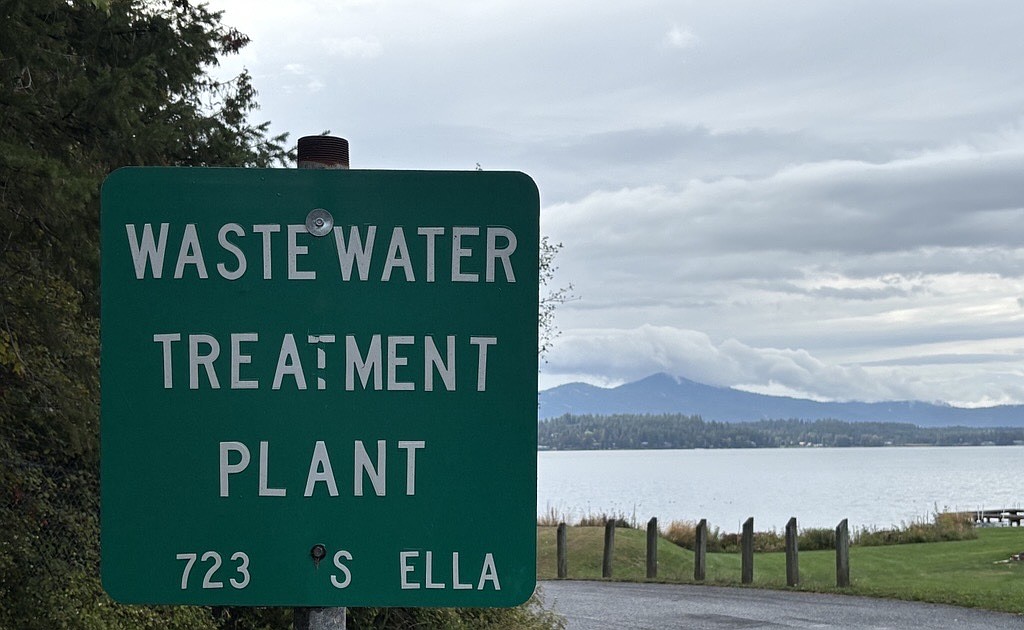
A municipal bond of $130 million has been approved for the comprehensive renovation of the Sandpoint wastewater treatment plant, following a vote with nearly 90% approval. This initiative is fundamentally aligned with the United Nations Sustainable Development Goals (SDGs), particularly those concerning infrastructure, environmental quality, and sustainable communities.
Key Objectives and SDG Contributions
Enhancing Water Quality and Sanitation (SDG 6)
The project’s primary objective is to upgrade critical sanitation infrastructure, directly contributing to SDG 6 (Clean Water and Sanitation).
- The renovation will modernize the city’s wastewater treatment capabilities, improving water quality by reducing pollution from effluent discharge.
- This investment addresses target 6.3 by aiming to reduce the proportion of untreated wastewater, thereby protecting local water ecosystems.
- It ensures the long-term reliability and effectiveness of essential sanitation services for the community.
Building Sustainable and Resilient Infrastructure (SDG 9 & SDG 11)
By overhauling the treatment plant, the city is investing in resilient infrastructure, a cornerstone of SDG 9 (Industry, Innovation, and Infrastructure) and SDG 11 (Sustainable Cities and Communities).
- The project develops quality, reliable, and sustainable infrastructure to support economic development and human well-being.
- It contributes to making the city more inclusive, safe, resilient, and sustainable by ensuring access to essential basic services.
- The phased construction plan is designed to maintain operational continuity, demonstrating a commitment to resilient service delivery.
Fostering Partnerships for Goal Achievement (SDG 17)
The city’s financial strategy emphasizes collaboration, reflecting the principles of SDG 17 (Partnerships for the Goals).
- Mayor Jeremy Grimm has confirmed the city will actively seek partnership funding from state and federal government entities.
- This multi-stakeholder approach aims to leverage external grants to reduce the financial burden on local residents.
- A $3.5 million grant has already been secured from the Idaho Department of Environmental Quality, marking the first step in this collaborative funding effort.
Financial Framework and Socio-Economic Considerations
Funding Strategy and Economic Impact
The financial plan is structured to manage the project’s cost while actively seeking to minimize the direct economic impact on citizens.
- Authorization of a $130 million bond provides the primary financial instrument for the renovation.
- The city will draw upon these funds incrementally for distinct project phases, such as design, engineering, and construction stages.
- An active search for state and federal grant funding is underway to supplement the bond and offset costs.
- Rate increases will be implemented gradually as bond funds are utilized, with the maximum impact not expected until project completion.
Addressing Affordability and Equity (SDG 1 & SDG 10)
A key consideration is the project’s impact on utility rates and the affordability of essential services, which relates to SDG 1 (No Poverty) and SDG 10 (Reduced Inequalities).
- Without significant grant funding, sewer rates are projected to increase by 106% over five years.
- This could result in monthly rates exceeding $200, accounting for an estimated 5% of the median resident’s income.
- City leadership anticipates that reaching such a high affordability threshold would trigger federal assistance, ensuring that the cost of this essential service does not disproportionately burden households.
Project Implementation Timeline
The project will be executed in a phased manner to ensure careful planning and continuous operation of the facility.
- A complete design of the renovated plant is scheduled for development by late spring, following an initial preliminary engineering concept.
- Construction is not anticipated to begin until fall 2027, pending the finalization of designs and the securing of additional funding.
- The construction process will be phased to keep the plant operational throughout the renovation period.
- The full project is estimated to be completed within five years of commencement, with the highest impact on utility rates projected for approximately 2028, contingent on the success of grant applications.
Analysis of Sustainable Development Goals in the Article
1. Which SDGs are addressed or connected to the issues highlighted in the article?
- SDG 6: Clean Water and Sanitation – The core subject of the article is the renovation of a wastewater treatment plant, which is fundamental to ensuring the availability and sustainable management of water and sanitation.
- SDG 9: Industry, Innovation and Infrastructure – The project involves a massive investment ($130 million bond) to develop quality, reliable, and sustainable infrastructure (the wastewater treatment plant).
- SDG 11: Sustainable Cities and Communities – The initiative is a municipal project aimed at improving a basic service (wastewater management) for the residents of Sandpoint, making the city more sustainable and resilient.
- SDG 17: Partnerships for the Goals – The article highlights the city’s strategy to seek funding and partnerships with state and federal governments to implement the project.
2. What specific targets under those SDGs can be identified based on the article’s content?
-
SDG 6: Clean Water and Sanitation
- Target 6.3: By 2030, improve water quality by reducing pollution… halving the proportion of untreated wastewater. The project’s primary goal is to “completely renovate its wastewater treatment plant,” which directly contributes to improving the quality of treated wastewater and, consequently, the quality of the water it is discharged into.
-
SDG 9: Industry, Innovation and Infrastructure
- Target 9.1: Develop quality, reliable, sustainable and resilient infrastructure… with a focus on affordable and equitable access for all. The $130 million project is a clear effort to develop quality infrastructure. The article’s focus on the potential 106% rise in sewer rates and the mayor’s concern that rates could “account for 5% of the median resident’s income” directly address the challenge of ensuring “affordable and equitable access.”
-
SDG 11: Sustainable Cities and Communities
- Target 11.1: By 2030, ensure access for all to adequate, safe and affordable housing and basic services. Wastewater treatment is a “basic service.” The project aims to ensure its adequacy and safety for the future, while the discussion on rising sewer rates highlights the challenge of maintaining its affordability.
- Target 11.6: By 2030, reduce the adverse per capita environmental impact of cities, including by paying special attention to… municipal and other waste management. Renovating the wastewater treatment plant is a direct action to improve municipal waste management and reduce the city’s environmental footprint.
-
SDG 17: Partnerships for the Goals
- Target 17.17: Encourage and promote effective public, public-private and civil society partnerships. The mayor explicitly states the city’s plan to work with “partners at the state and federal level” to secure “partnership funding.” This demonstrates a strategy of building public-public partnerships to achieve the project’s goals.
3. Are there any indicators mentioned or implied in the article that can be used to measure progress towards the identified targets?
-
SDG 6: Clean Water and Sanitation
- Implied Indicator for Target 6.3: The successful completion and operation of the renovated plant serves as a direct measure of progress. While not a formal UN indicator, the article implies that the project’s success is the key metric, which aligns with Indicator 6.3.1 (Proportion of wastewater safely treated).
-
SDG 9: Industry, Innovation and Infrastructure
- Implied Indicator for Target 9.1: The article mentions specific financial figures that can be used as indicators of investment in infrastructure. This includes the “$130 million bond” authorized and the amount of external “grant funding” secured. This aligns with the principle of Indicator 9.a.1 (Total official… support to infrastructure), applied in a domestic context.
-
SDG 11: Sustainable Cities and Communities
- Implied Indicator for Target 11.1: The article provides a specific metric for affordability: the percentage of median income spent on sewer rates. The mayor’s statement that rates could “account for 5% of the median resident’s income” establishes a benchmark that can be tracked to measure the affordability of this basic service.
-
SDG 17: Partnerships for the Goals
- Indicator for Target 17.17: The amount of financial resources mobilized through partnerships is a clear indicator. The article provides a starting figure: a “$3.5 million grant from the Idaho Department of Environmental Quality.” Progress can be measured by the total amount of “partnership funding from the state and federal government” that the city manages to secure.
4. Table of SDGs, Targets, and Indicators
| SDGs | Targets | Indicators Identified in Article |
|---|---|---|
| SDG 6: Clean Water and Sanitation | 6.3: Improve water quality and increase wastewater treatment. | The successful renovation and operation of the wastewater treatment plant, which improves the proportion of safely treated wastewater. |
| SDG 9: Industry, Innovation and Infrastructure | 9.1: Develop quality, reliable, sustainable and resilient infrastructure with a focus on affordability. | The total investment mobilized for the project (e.g., the $130 million bond) and the amount of external grant funding secured. |
| SDG 11: Sustainable Cities and Communities | 11.1: Ensure access for all to adequate, safe and affordable basic services.
11.6: Reduce the adverse per capita environmental impact of cities, including through waste management. |
The percentage of median resident income required to pay for sewer rates, with a stated concern at the 5% level. |
| SDG 17: Partnerships for the Goals | 17.17: Encourage and promote effective public partnerships. | The total dollar amount of “partnership funding” secured from state and federal governments (starting with the identified $3.5 million grant). |
Source: bonnercountydailybee.com
What is Your Reaction?
 Like
0
Like
0
 Dislike
0
Dislike
0
 Love
0
Love
0
 Funny
0
Funny
0
 Angry
0
Angry
0
 Sad
0
Sad
0
 Wow
0
Wow
0