
























































Wright State’s Raj Soin College of Business ranked among the best for entrepreneurs by Princeton Review – Wright State Newsroom
Executive Summary
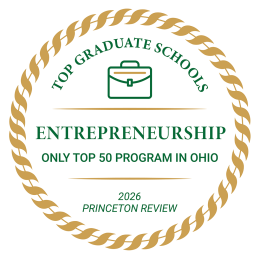
Wright State University’s Raj Soin College of Business has been recognized by The Princeton Review as a leading institution for graduate-level entrepreneurship studies. The college ranked 39th nationally and eighth in the Midwest on the “Top 50 Graduate Schools for Entrepreneurship Studies for 2026,” making it the sole university in Ohio to receive this distinction. This recognition highlights the college’s commitment to fostering innovation and leadership that aligns with global sustainability objectives, particularly the United Nations Sustainable Development Goals (SDGs).
Alignment with Sustainable Development Goals (SDGs)
The curriculum and strategic initiatives at the Raj Soin College of Business demonstrate a strong commitment to several key SDGs. The programs are designed to produce leaders capable of driving economic growth while addressing social and environmental responsibilities.
SDG 4: Quality Education
The college promotes inclusive and equitable quality education through its Master of Business Administration (MBA) program. Key initiatives supporting this goal include:
- Accessibility and Affordability: The program is praised for its affordability and flexible scheduling, including evening and weekend classes, which accommodate part-time students.
- Accelerated Pathways: The Accelerated Business Essentials program allows students to test out of foundational courses, reducing the time and financial burden of obtaining a degree.
- Comprehensive Curriculum: The MBA program provides a multidisciplinary education grounded in ethics, sustainability, and global awareness, ensuring graduates are well-rounded leaders.
SDG 8: Decent Work and Economic Growth
By focusing on entrepreneurship, the college directly contributes to promoting sustained, inclusive, and sustainable economic growth and productive employment.
- Venture Creation: The MBA’s new venture creation concentration equips students with the skills to transform ideas into viable businesses, fostering job creation and economic dynamism.
- Resilient Leadership: Students are encouraged to take calculated risks and develop the resilience necessary to build ventures that thrive in competitive markets, contributing to a robust economy.
SDG 9: Industry, Innovation, and Infrastructure
The college is a catalyst for building resilient infrastructure, promoting inclusive and sustainable industrialization, and fostering innovation.
- Innovation Economics: The curriculum emphasizes the economics of innovation, exploring how technological change and globalization influence modern organizations.
- Technology Startups: Students gain practical experience developing business plans for new ventures and technology-based startups.
- The Sandler Center for Innovation and Entrepreneurship: This upcoming center will serve as a dedicated hub for fostering entrepreneurial thinking and providing hands-on mentorship and real-world support for student-led innovation.
SDG 17: Partnerships for the Goals
The Raj Soin College of Business actively strengthens the means of implementation and revitalizes global partnerships for sustainable development.
- Community Integration: The Sandler Center is designed to be a key connector between the university and the region’s business community, facilitating collaboration and knowledge sharing.
- Ecosystem Development: By linking academic resources with regional business needs, the college helps build a stronger, more integrated entrepreneurial ecosystem.
National Rankings and Recognition
The Raj Soin College of Business has received multiple national accolades for its programs, underscoring its commitment to excellence.
- The Princeton Review (2026): Ranked 39th nationally and 8th in the Midwest among the Top 50 Graduate Schools for Entrepreneurship Studies.
- The Princeton Review (2025): Recognized among the nation’s best on-campus MBA programs.
- U.S. News & World Report: Acknowledged for having one of the best part-time MBA programs and undergraduate business degrees in the country.
Analysis of Sustainable Development Goals in the Article
-
SDGs Addressed or Connected
The article on Wright State University’s Raj Soin College of Business connects to several Sustainable Development Goals (SDGs) through its focus on education, entrepreneurship, and innovation.
- SDG 4: Quality Education: The entire article is centered on the quality and accessibility of a higher education program. It discusses rankings, curriculum, and initiatives to make education more attainable.
- SDG 8: Decent Work and Economic Growth: The program’s primary focus is on entrepreneurship, which is a key driver of economic growth, innovation, and job creation. The article highlights how the college prepares students to “build ventures that thrive in competitive markets.”
- SDG 9: Industry, Innovation, and Infrastructure: The article emphasizes the role of innovation and technology in business. It mentions the program’s focus on the “economics of innovation,” “technology startups,” and the creation of the “Sandler Center for Innovation and Entrepreneurship.”
-
Specific Targets Identified
Based on the article’s content, several specific SDG targets can be identified:
SDG 4: Quality Education
- Target 4.3: Ensure equal access for all women and men to affordable and quality technical, vocational and tertiary education, including university. The article supports this by highlighting the program’s “affordability, and flexibility.” It mentions options like part-time attendance, “evening and weekend classes,” and the “Accelerated Business Essentials program,” which reduces both the time and cost needed to complete the degree, thereby increasing accessibility.
- Target 4.4: Substantially increase the number of youth and adults who have relevant skills, including technical and vocational skills, for employment, decent jobs and entrepreneurship. The program is explicitly designed for “aspiring entrepreneurs.” It helps students “turn ideas into viable businesses” and gain experience “developing business plans for new ventures and technology startups,” directly providing relevant skills for entrepreneurship.
SDG 8: Decent Work and Economic Growth
- Target 8.2: Achieve higher levels of economic productivity through diversification, technological upgrading and innovation. The MBA program’s curriculum emphasizes “the economics of innovation, exploring how technological change, economic growth and globalization influence businesses,” which aligns with promoting economic productivity through innovation.
- Target 8.3: Promote development-oriented policies that support productive activities, decent job creation, entrepreneurship, creativity and innovation. The college actively promotes entrepreneurship by encouraging students to “take initiative, embrace calculated risks” and by launching the “Sandler Center for Innovation and Entrepreneurship” which will serve as a “catalyst for entrepreneurial thinking” and a “key connector to the region’s business community.”
SDG 9: Industry, Innovation, and Infrastructure
- Target 9.5: Enhance scientific research, upgrade the technological capabilities of industrial sectors… encouraging innovation. The establishment of the “Sandler Center for Innovation and Entrepreneurship” and the curriculum’s focus on “innovation strategy and technology-based ventures” directly contribute to encouraging innovation and supporting the development of new technologies within the business sector.
-
Indicators Mentioned or Implied
The article implies several indicators that can be used to measure progress towards the identified targets:
SDG 4: Quality Education
- Implied Indicator for Target 4.3: The article mentions program features like affordability, flexibility, and accelerated options. Progress could be measured by the enrollment numbers in flexible/part-time programs and the number of students utilizing cost-reducing options like the Accelerated Business Essentials program.
- Implied Indicator for Target 4.4: The national ranking (“39th nationally and eighth in the Midwest in the Princeton Review’s Top 50 Graduate Schools for Entrepreneurship”) serves as a direct indicator of the quality of entrepreneurship education. A more direct measure would be the number of businesses or ventures created by the program’s graduates.
SDG 8: Decent Work and Economic Growth
- Implied Indicator for Target 8.3: The article discusses turning “ideas into action” and building “ventures that thrive.” A key indicator would be the number of startups and new ventures launched by students and alumni of the Raj Soin College of Business, particularly those facilitated by the new Sandler Center.
SDG 9: Industry, Innovation, and Infrastructure
- Implied Indicator for Target 9.5: The focus on “technology startups” and “innovation strategy” implies a goal of fostering tech-based entrepreneurship. An indicator for this would be the number of technology-based startups created by students or the level of engagement with the Sandler Center for Innovation and Entrepreneurship.
-
Summary Table of Findings
SDGs Targets Indicators (Implied from Article) SDG 4: Quality Education 4.3: Ensure equal access to affordable and quality tertiary education. 4.4: Increase the number of adults with relevant skills for entrepreneurship.
Enrollment numbers in affordable and flexible programs (part-time, accelerated options). National rankings for entrepreneurship programs; Number of businesses created by graduates.
SDG 8: Decent Work and Economic Growth 8.2: Achieve higher economic productivity through innovation. 8.3: Promote policies supporting entrepreneurship, creativity, and innovation.
Curriculum focus on innovation, technological change, and globalization. Number of startups and new ventures launched by students and alumni; Engagement with the Sandler Center.
SDG 9: Industry, Innovation, and Infrastructure 9.5: Enhance research and upgrade technological capabilities by encouraging innovation. Number of technology-based ventures created by students; Student participation in innovation-focused programs and centers.
Source: webapp2.wright.edu
What is Your Reaction?
 Like
0
Like
0
 Dislike
0
Dislike
0
 Love
0
Love
0
 Funny
0
Funny
0
 Angry
0
Angry
0
 Sad
0
Sad
0
 Wow
0
Wow
0