













































ADB launches PHL wetland protection program – BusinessWorld Online
Report on the Philippines Flyway Project and its Alignment with Sustainable Development Goals
Project Overview and Strategic Objectives
The Asian Development Bank (ADB), with funding from the Global Environment Facility, has launched a $3-million initiative titled the Philippines Flyway Project. This project is dedicated to the conservation of critical wetland ecosystems that are integral to both biodiversity and local economies.
- Funding: $3 million from the Global Environment Facility (GEF).
- Lead Agency: Asian Development Bank (ADB).
- Implementing Partner: Department of Environment and Natural Resources (DENR), Government of the Philippines.
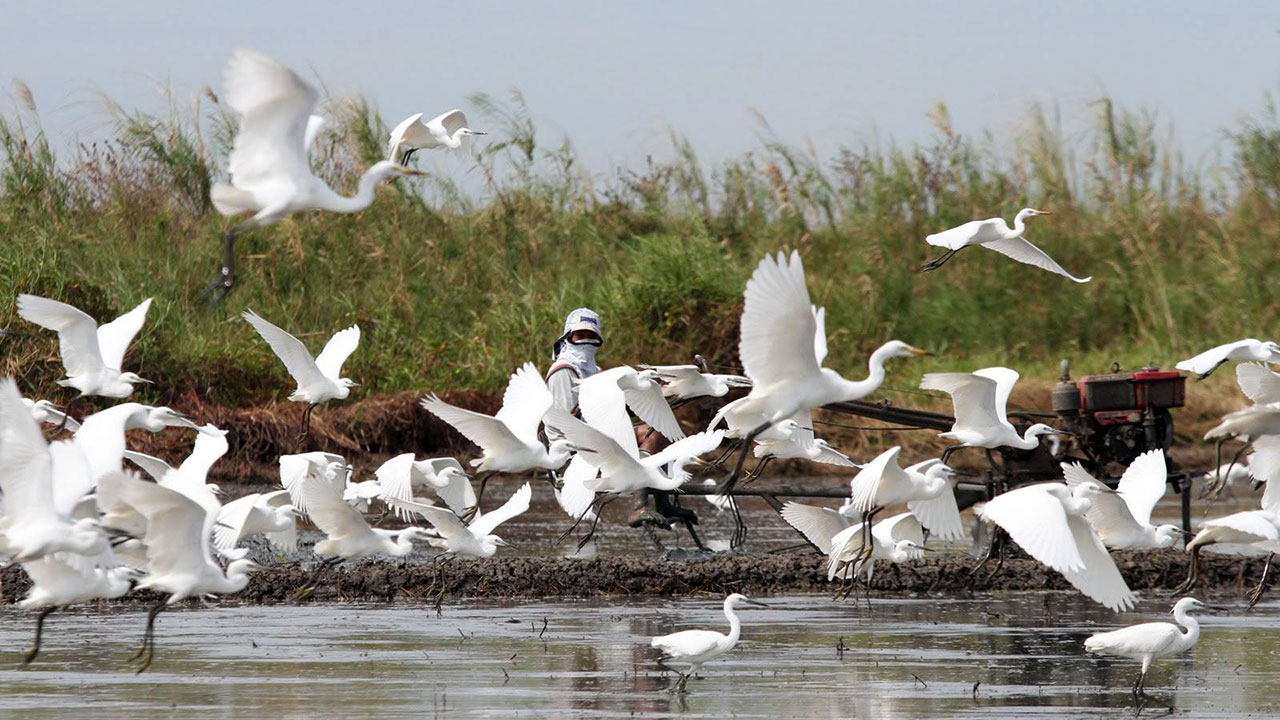
- Strategic Importance: The targeted sites are crucial stopovers for migratory birds along the highly threatened East Asian-Australasian Flyway (EAAF).
Geographic Focus and Core Activities
The project will concentrate its efforts on three key wetland ecosystems within the Philippines:
- Candaba, Central Luzon
- Lake Mainit, Northeastern Mindanao
- Sibugay Wetlands, Zamboanga Peninsula
Core activities are designed to address threats from reclamation, degradation, and urban expansion. The primary objectives include:
- Strengthening the protection, management, and restoration of degraded wetland habitats.
- Supporting local capacity-building for effective ecosystem stewardship.
- Developing sustainable livelihood opportunities for local communities.
- Improving overall site management for long-term conservation success.
Alignment with Sustainable Development Goals (SDGs)
The Philippines Flyway Project makes significant contributions to several United Nations Sustainable Development Goals (SDGs) through its integrated approach to conservation and community development.
- SDG 15 (Life on Land): The project’s central aim is to protect and restore vital inland water ecosystems (wetlands), directly contributing to the goal of halting biodiversity loss by conserving habitats for over 20 species of migratory waterbirds.
- SDG 14 (Life Below Water): By conserving coastal wetland areas such as the Sibugay Wetlands, the initiative supports the health and sustainability of marine and coastal ecosystems.
- SDG 1 (No Poverty) & SDG 8 (Decent Work and Economic Growth): The focus on sustainable livelihood development directly addresses poverty reduction by providing local communities with alternative, environmentally-friendly income sources, fostering inclusive economic growth.
- SDG 13 (Climate Action): As part of the broader Regional Flyway Initiative (RFI), the project promotes nature-based solutions to enhance community resilience against extreme weather disasters, contributing to climate change adaptation and mitigation.
- SDG 11 (Sustainable Cities and Communities): The project works to safeguard the nation’s natural heritage against threats from urban expansion, thereby contributing to the creation of resilient and sustainable human settlements.
- SDG 17 (Partnerships for the Goals): This initiative is a clear example of a global partnership, uniting an international funding facility (GEF), a regional development bank (ADB), and a national government agency (DENR) to achieve common sustainable development objectives.
Identified Sustainable Development Goals (SDGs)
SDG 14: Life Below Water
- The article discusses a project to “conserve key wetland ecosystems.” Wetlands, including coastal ones like the Sibugay Wetlands, are critical marine and coastal ecosystems that support aquatic biodiversity. The project’s goal to protect and restore these habitats directly aligns with conserving life below water.
SDG 15: Life on Land
- This is a primary focus of the article. The project aims to protect, manage, and restore terrestrial and inland freshwater ecosystems, specifically the wetlands in “Candaba in Central Luzon, Lake Mainit in northeastern Mindanao, and the Sibugay Wetlands.” These sites are described as “vital habitats for migratory birds,” directly linking the project to the conservation of biodiversity and terrestrial ecosystems.
SDG 8: Decent Work and Economic Growth
- The project acknowledges that these wetlands are “sources of livelihood for local communities.” A key component of the initiative is to support “sustainable livelihood development.” This connects conservation efforts with the economic well-being of local populations, promoting sustainable economic activities that do not harm the environment.
SDG 13: Climate Action
- The article states that the broader Regional Flyway Initiative (RFI), of which this project is a part, aims to “boost community resilience through nature-based solutions to extreme weather disasters.” Healthy wetland ecosystems act as natural buffers against storms and flooding, making their conservation a direct action towards climate change adaptation and resilience.
SDG 17: Partnerships for the Goals
- The entire project is an example of a multi-stakeholder partnership. The article explicitly mentions the collaboration between the “Asian Development Bank (ADB),” the “Global Environment Facility,” and the “Department of Environment and Natural Resources (DENR).” This partnership mobilizes financial resources and expertise to achieve common environmental and development goals.
Specific SDG Targets Identified
Targets under SDG 14 & 15
- Target 14.2: By 2020, sustainably manage and protect marine and coastal ecosystems to avoid significant adverse impacts… and take action for their restoration.
- The project’s focus on the “protection, management, and restoration of degraded wetland habitats,” including coastal sites like the Sibugay Wetlands, directly contributes to this target.
- Target 15.1: By 2020, ensure the conservation, restoration and sustainable use of terrestrial and inland freshwater ecosystems and their services, in particular… wetlands.
- The article’s central theme is the conservation of key wetland ecosystems in Candaba and Lake Mainit, which are inland freshwater systems, aligning perfectly with this target.
- Target 15.5: Take urgent and significant action to reduce the degradation of natural habitats, halt the loss of biodiversity and… protect and prevent the extinction of threatened species.
- The project aims to protect “vital habitats for migratory birds” traveling the “most threatened of the world’s major flyways.” By conserving these stopover sites for “more than 20 migratory waterbird species,” the project directly addresses the goal of halting biodiversity loss and protecting species.
Target under SDG 8
- Target 8.9: By 2030, devise and implement policies to promote sustainable tourism that creates jobs and promotes local culture and products.
- While not explicitly about tourism, the project’s support for “sustainable livelihood development” for local communities is a parallel concept. It aims to create economic opportunities that are dependent on and supportive of the conserved natural environment.
Target under SDG 13
- Target 13.1: Strengthen resilience and adaptive capacity to climate-related hazards and natural disasters in all countries.
- The article mentions that the initiative aims to “boost community resilience through nature-based solutions to extreme weather disasters,” which is a direct action to strengthen adaptive capacity using ecosystem-based approaches.
Target under SDG 17
- Target 17.16: Enhance the global partnership for sustainable development, complemented by multi-stakeholder partnerships that mobilize and share knowledge, expertise, technology and financial resources.
- The project is a partnership between the ADB, GEF, and DENR, mobilizing financial resources (“$3-million”) and institutional expertise to achieve conservation goals, exemplifying this target.
Mentioned or Implied Indicators
Indicators for SDG 14 & 15
- Area of protected ecosystems: The article identifies three specific wetland sites (Candaba, Lake Mainit, Sibugay Wetlands). An implied indicator for progress would be the total area of these sites brought under effective protection, management, and restoration.
- Status of key biodiversity: The article mentions that “more than 20 migratory waterbird species rely on Philippine wetlands.” An implied indicator would be the population trends and diversity of these waterbird species within the project sites, which can be measured through regular monitoring.
Indicator for SDG 8
- Number of jobs created in sustainable industries: The project’s goal of “sustainable livelihood development” implies that a key indicator of success would be the number of community members who gain employment or income from new, environmentally sustainable activities linked to the wetlands.
Indicator for SDG 13
- Adoption of nature-based solutions: The article refers to developing “nature-based solutions to extreme weather disasters.” A direct indicator would be the number and scale of these solutions (e.g., mangrove restoration for storm surge protection) implemented in the communities surrounding the wetlands.
Indicator for SDG 17
- Financial resources mobilized: The article explicitly states the project’s funding of “$3-million” from the Global Environment Facility and its connection to the Regional Flyway Initiative’s goal to mobilize “$3 billion.” This dollar amount serves as a direct indicator of financial resources mobilized through partnership.
Summary of SDGs, Targets, and Indicators
| SDGs | Targets | Indicators (Mentioned or Implied in Article) |
|---|---|---|
| SDG 14: Life Below Water | 14.2: Sustainably manage and protect marine and coastal ecosystems. | Area of coastal wetland ecosystems (e.g., Sibugay Wetlands) under improved management and restoration. |
| SDG 15: Life on Land | 15.1: Ensure the conservation, restoration and sustainable use of terrestrial and inland freshwater ecosystems, especially wetlands. 15.5: Halt the loss of biodiversity and protect threatened species. |
– Area of inland wetlands (Candaba, Lake Mainit) under conservation. – Population trends of the “20 migratory waterbird species” using the sites. |
| SDG 8: Decent Work and Economic Growth | 8.9: Promote sustainable tourism and local products. | Number of community members benefiting from “sustainable livelihood development” programs. |
| SDG 13: Climate Action | 13.1: Strengthen resilience and adaptive capacity to climate-related hazards. | Number and effectiveness of “nature-based solutions to extreme weather disasters” implemented. |
| SDG 17: Partnerships for the Goals | 17.16: Enhance the global partnership for sustainable development. | Amount of financial resources mobilized through the partnership (e.g., the “$3-million” project fund). |
Source: bworldonline.com
What is Your Reaction?
 Like
0
Like
0
 Dislike
0
Dislike
0
 Love
0
Love
0
 Funny
0
Funny
0
 Angry
0
Angry
0
 Sad
0
Sad
0
 Wow
0
Wow
0