
























































Agri-food: How to Manage Supply Chain Risks – EFA News – European Food Agency
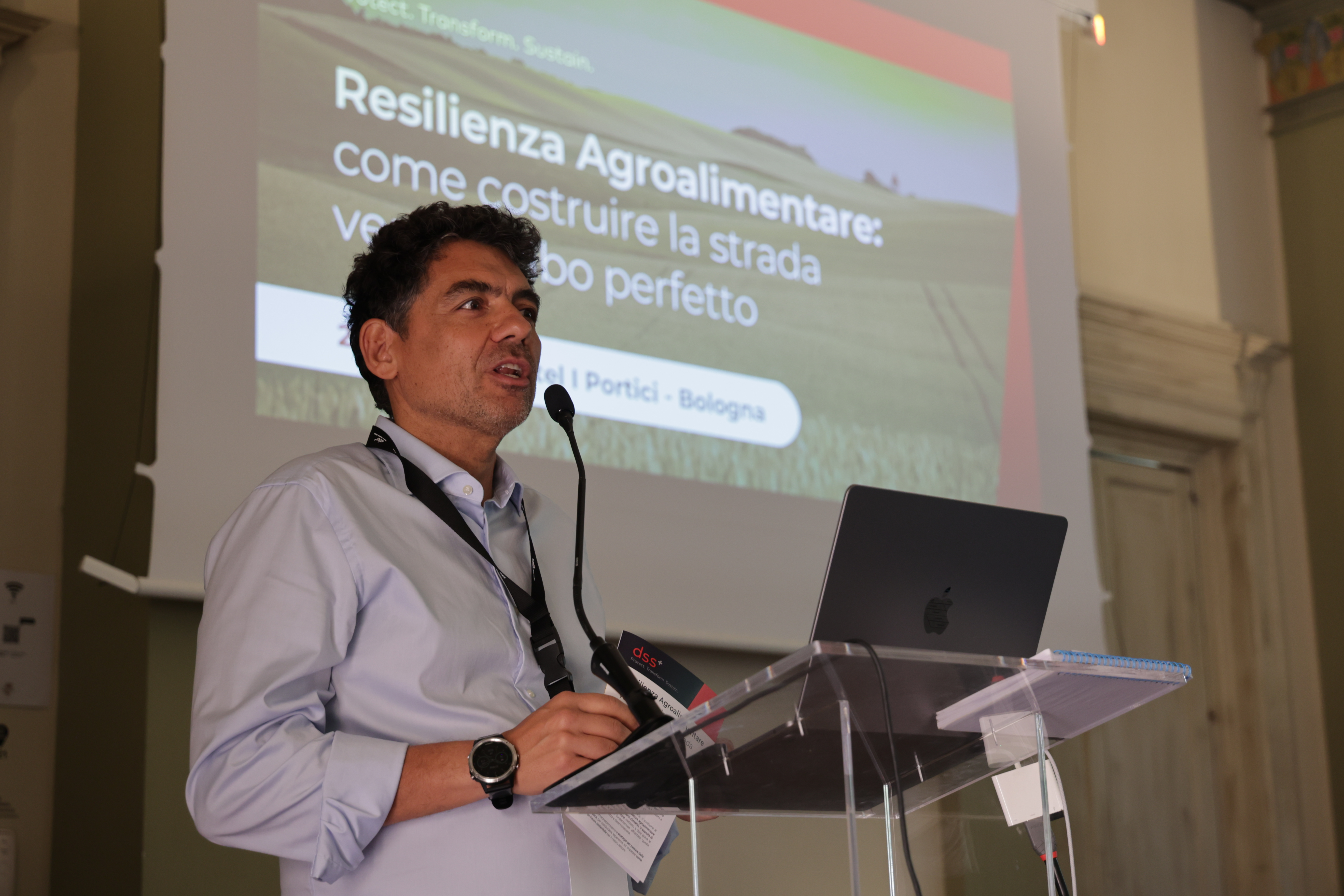
Conference Report: Agri-food Resilience and Risk Management Solutions Along the Supply Chain

Date and Venue: March 3, 2026, Hotel I Portici, Via Indipendenza 69, Bologna, 10:00 a.m. – 4:00 p.m.
Introduction
The conference titled “Agri-food Resilience. How to Implement Risk Management Solutions Along the Supply Chain” was organized by dss+, an international consulting firm specializing in risk management and organizational transformation. The event focused on addressing critical challenges in the agri-food sector, emphasizing alignment with the United Nations Sustainable Development Goals (SDGs), particularly SDG 2 (Zero Hunger), SDG 12 (Responsible Consumption and Production), SDG 13 (Climate Action), and SDG 8 (Decent Work and Economic Growth).
Conference Objectives and Strategic Importance
Massimo Marino, Food Industry leader at dss+ and conference promoter, highlighted the strategic necessity of managing risks throughout the agri-food supply chain. Key issues addressed included:
- Ensuring food safety and operational efficiency (SDG 3: Good Health and Well-being; SDG 12)
- Protecting workers’ social conditions (SDG 8)
- Mitigating impacts of climate change on raw material supply (SDG 13)
- Responding to global geopolitical challenges affecting agriculture (SDG 16: Peace, Justice and Strong Institutions)
Program Structure
- Morning Plenary Session: Strategic discussion on main risk-related issues in the agri-food sector.
- Afternoon Parallel Roundtables: Focused analysis on solutions for two primary supply chain phases:
- Primary production
- Industrial transformation
Primary Production Challenges and Solutions
Marino emphasized the vulnerability of agricultural and livestock production to climate change and geopolitical instability. While root causes are beyond immediate control, defensive strategies aligned with SDG 13 were discussed, including:
- Digitalization to enhance monitoring and efficiency
- Regenerative agriculture promoting sustainable land use (SDG 15: Life on Land)
- Supply diversification to reduce dependency risks
Industrial Transformation Focus
Key factors for industrial transformation include cost control and regulatory compliance, essential for operational efficiency (SDG 9: Industry, Innovation and Infrastructure). The human element remains central, necessitating investment in corporate culture, skill development, and operator engagement, supporting SDG 8. Concrete action plans to translate these priorities into practice were scheduled for future discussions.
Confirmed Participants
- Claudio Mazzini, Coop Italia
- Leonardo Mirone, Barilla
- Giovanni Causapruno, xFarm
- Stanislao Fabbrino, Deco Industrie – Fruttagel
- Luca Lovatti, Consorzio Melinda
- Antonio Salvatore, Op Oasi
- Giancarlo Addario, Maia Ventures
- Paolo Bulgarelli, Lactalis Italia
Registration and Contact Information
The event is free to attend, subject to availability.
Registration link: https://mkt.consultdss.com/resilienza-agroalimentare-event?utm_source=PRMagazine
Contact: francesca.berretta@consultdsscom
1. Sustainable Development Goals (SDGs) Addressed or Connected to the Issues Highlighted in the Article
- SDG 2: Zero Hunger
- The article focuses on agri-food resilience, risk management in the food supply chain, and ensuring sustainable agricultural and livestock production, which are directly related to ending hunger and achieving food security.
- SDG 12: Responsible Consumption and Production
- Cost control, operational efficiency, and regulatory compliance in industrial transformation processes relate to sustainable consumption and production patterns.
- SDG 13: Climate Action
- The article mentions the impact of climate change on raw material supply and discusses implementing defenses such as regenerative agriculture and digitalization to mitigate these effects.
- SDG 8: Decent Work and Economic Growth
- Protection of workers’ social conditions and investing in corporate culture and skills development relate to promoting sustained, inclusive economic growth and decent work.
- SDG 9: Industry, Innovation and Infrastructure
- Digitalization and improving operational efficiency in industrial transformation highlight innovation and infrastructure development.
2. Specific Targets Under Those SDGs Identified Based on the Article’s Content
- SDG 2: Zero Hunger
- Target 2.4: Ensure sustainable food production systems and implement resilient agricultural practices that increase productivity and production.
- SDG 12: Responsible Consumption and Production
- Target 12.2: Achieve the sustainable management and efficient use of natural resources.
- Target 12.6: Encourage companies to adopt sustainable practices and sustainability reporting.
- SDG 13: Climate Action
- Target 13.1: Strengthen resilience and adaptive capacity to climate-related hazards and natural disasters in all countries.
- SDG 8: Decent Work and Economic Growth
- Target 8.5: Achieve full and productive employment and decent work for all women and men.
- Target 8.8: Protect labor rights and promote safe and secure working environments.
- SDG 9: Industry, Innovation and Infrastructure
- Target 9.4: Upgrade infrastructure and retrofit industries to make them sustainable, with increased resource-use efficiency.
3. Indicators Mentioned or Implied in the Article to Measure Progress Towards the Identified Targets
- Indicators Related to SDG 2
- Measures of agricultural productivity and resilience to climate change impacts (implied through discussion of regenerative agriculture and supply diversification).
- Indicators Related to SDG 12
- Operational efficiency metrics in industrial transformation processes.
- Compliance rates with food safety regulations.
- Indicators Related to SDG 13
- Implementation of climate adaptation measures such as digitalization and regenerative agriculture.
- Reduction in supply chain disruptions due to climate-related events.
- Indicators Related to SDG 8
- Worker social condition indices and labor rights compliance.
- Levels of employee awareness, skills development, and involvement in organizational processes.
- Indicators Related to SDG 9
- Adoption rates of digital technologies in agri-food industrial processes.
- Resource-use efficiency improvements in industrial transformation.
4. Table: SDGs, Targets and Indicators
| SDGs | Targets | Indicators |
|---|---|---|
| SDG 2: Zero Hunger | 2.4: Sustainable food production systems and resilient agricultural practices | Agricultural productivity and resilience measures; implementation of regenerative agriculture and supply diversification |
| SDG 12: Responsible Consumption and Production | 12.2: Sustainable management and efficient use of natural resources 12.6: Adoption of sustainable practices by companies |
Operational efficiency metrics; food safety compliance rates |
| SDG 13: Climate Action | 13.1: Strengthen resilience and adaptive capacity to climate-related hazards | Implementation of climate adaptation measures; reduction in supply chain disruptions due to climate events |
| SDG 8: Decent Work and Economic Growth | 8.5: Full and productive employment and decent work 8.8: Protect labor rights and promote safe working environments |
Worker social condition indices; labor rights compliance; employee skills development and involvement levels |
| SDG 9: Industry, Innovation and Infrastructure | 9.4: Upgrade infrastructure and retrofit industries to be sustainable | Adoption rates of digital technologies; resource-use efficiency improvements |
Source: efanews.eu
What is Your Reaction?
 Like
0
Like
0
 Dislike
0
Dislike
0
 Love
0
Love
0
 Funny
0
Funny
0
 Angry
0
Angry
0
 Sad
0
Sad
0
 Wow
0
Wow
0