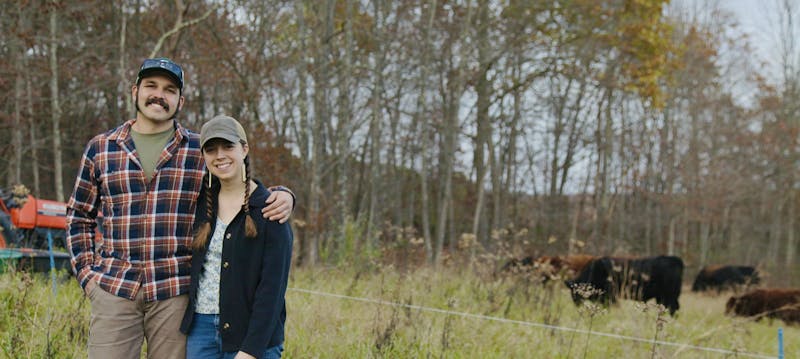
























































Agriwater uses electricity to transform manure into reusable water – Rural Radio Network

Report on Agriwater’s Innovative Manure Treatment Technology and its Contribution to Sustainable Development Goals
Introduction: Advancing Sustainable Agriculture through Waste Valorization
A new technology developed by Agriwater presents a significant advancement in sustainable agricultural waste management. The system, designed for confined animal feeding operations, utilizes an electrochemical process to convert raw manure into clean, reusable water and valuable, nutrient-rich solids. This innovation directly addresses several United Nations Sustainable Development Goals (SDGs) by creating a circular economy on farms, enhancing environmental protection, and providing new revenue streams for agricultural producers.
Technological Framework and Operational Process
System Design
- The technology is housed within a compact, mobile shipping container (10-18 feet).
- This containerized unit is delivered to the farm and positioned adjacent to a manure storage facility, such as a lagoon.
- A pump transfers manure from the storage pond directly into the treatment system for processing.
Electrochemical Treatment Process
- An electrical current is applied to the manure within the system.
- This process separates the liquid and solid components effectively.
- The resulting outputs are nutrient-dense solids and purified water.
Alignment with Sustainable Development Goals (SDGs)
SDG 6: Clean Water and Sanitation
- Water Quality Improvement (Target 6.3): The system prevents nutrient runoff from manure lagoons into local water sources, directly reducing water pollution from agricultural activities.
- Increased Water-Use Efficiency (Target 6.4): It produces clean water that can be reused on-site for critical farm operations, including irrigation, livestock drinking water, or barn flushing systems, thus conserving freshwater resources.
SDG 12: Responsible Consumption and Production
- Sustainable Management of Natural Resources (Target 12.2): The technology transforms an agricultural waste product—1.4 billion tons of which are produced annually in the United States—into valuable resources.
- Waste Reduction (Target 12.5): By recovering and repurposing manure components, the system embodies the principles of a circular economy, significantly reducing the volume of agricultural waste.
- Nutrient Recovery: Key nutrients such as phosphorus and ammonium are recovered from the manure, creating a marketable fertilizer product and reducing the need for synthetic alternatives.
Supporting Additional Global Goals
- SDG 2 (Zero Hunger): By creating a source of natural fertilizer and providing clean water for irrigation, the technology supports resilient and sustainable food production systems (Target 2.4).
- SDG 9 (Industry, Innovation, and Infrastructure): Agriwater’s system represents a clean and environmentally sound technological upgrade for agricultural infrastructure (Target 9.4).
- SDG 15 (Life on Land): The prevention of manure seepage and runoff helps protect local terrestrial and freshwater ecosystems from nutrient pollution (Target 15.1).
Conclusion: Economic and Environmental Implications
The Agriwater system offers a dual benefit to the agricultural sector. Environmentally, it provides a scalable solution to the challenge of manure management, protecting vital water resources. Economically, it transforms a liability into an asset, allowing farmers to generate profit from recovered nutrients. The technology will be demonstrated at the 2025 Nebraska Ag Expo, offering producers a direct view of its potential to advance both farm profitability and global sustainability targets.
Analysis of Sustainable Development Goals in the Article
1. Which SDGs are addressed or connected to the issues highlighted in the article?
-
SDG 6: Clean Water and Sanitation
- The article’s primary focus is on a technology that converts manure, a major water pollutant, into clean, reusable water. This directly addresses the goal of ensuring the availability and sustainable management of water and sanitation for all by tackling agricultural water pollution at its source.
-
SDG 12: Responsible Consumption and Production
- The Agriwater system exemplifies a circular economy approach. It takes a massive waste product (1.4 billion tons of manure annually in the U.S.) and recycles it into valuable resources: clean water and nutrient-dense solids. This aligns with the goal of ensuring sustainable consumption and production patterns by reducing waste generation and promoting reuse.
-
SDG 9: Industry, Innovation, and Infrastructure
- The article introduces an “innovative system” and a “new technology” designed to make agricultural operations more sustainable. This represents an upgrade to agricultural infrastructure and a clean, environmentally sound technology, which is central to building resilient infrastructure and fostering innovation.
-
SDG 2: Zero Hunger
- The technology supports sustainable food production systems. By recovering nutrients like phosphorus and ammonium, it creates a source of fertilizer. Additionally, providing clean water for irrigation enhances agricultural productivity and resilience, contributing to the goal of ending hunger and promoting sustainable agriculture.
-
SDG 15: Life on Land
- Manure lagoons can leak and overflow, leading to nutrient runoff that pollutes freshwater ecosystems and harms aquatic life. By treating this manure, the technology helps protect and prevent the degradation of inland freshwater ecosystems, which is a key aspect of this goal.
2. What specific targets under those SDGs can be identified based on the article’s content?
-
Target 6.3: Improve water quality by reducing pollution
- The article states the technology’s purpose is to “provide protection of our clean water.” By treating manure from lagoons, it directly works to reduce water pollution from agricultural sources and increases the amount of wastewater that is safely treated and reused.
-
Target 12.5: Substantially reduce waste generation through prevention, reduction, recycling and reuse
- The system is designed to process the “1.4 billion tons of manure” produced annually. It recycles this waste stream into clean water and nutrient solids, directly addressing the goal of reducing waste through recycling and reuse.
-
Target 9.4: Upgrade infrastructure and retrofit industries to make them sustainable
- The article describes a “containerized mobile water treatment system” that can be delivered to farms. This is a clean and environmentally sound technology designed to retrofit confined animal feeding operations (an industry) to make them more sustainable and resource-efficient.
-
Target 2.4: Ensure sustainable food production systems and implement resilient agricultural practices
- The technology creates a more sustainable agricultural practice by managing waste effectively. The article notes the recovered nutrients “present profit” (as fertilizer) and the clean water can be used for “irrigation,” both of which contribute to resilient and sustainable food production.
3. Are there any indicators mentioned or implied in the article that can be used to measure progress towards the identified targets?
-
Volume of wastewater treated
- The article mentions the system “start treating the water as it cycles through our containerized unit.” A direct indicator of progress towards Target 6.3 would be the volume or proportion of manure lagoon water that is successfully treated by this technology on farms.
-
Amount of waste recycled
- The article highlights the “1.4 billion tons of manure” produced annually as the problem. An indicator for Target 12.5 would be the tonnage of manure processed and converted into valuable byproducts by the Agriwater system.
-
Quantity of nutrients recovered
- The technology is able to “recover nutrients like phosphorus [and] ammonium.” A key performance indicator for Target 2.4 would be the quantity (in tons or kilograms) of these nutrients recovered and made available for use as fertilizer, reducing the need for synthetic alternatives.
-
Adoption rate of the technology
- The article mentions the company’s “first manufactured unit is ready to demonstrate.” An indicator for Target 9.4 would be the number of farms, dairy operations, or processing plants that adopt and install this clean technology.
4. Summary Table of SDGs, Targets, and Indicators
| SDGs | Targets | Indicators |
|---|---|---|
| SDG 6: Clean Water and Sanitation | 6.3: By 2030, improve water quality by reducing pollution…and substantially increasing recycling and safe reuse globally. | Volume of manure/wastewater treated and made available for reuse (for irrigation, drinking water, or barn flush systems). |
| SDG 12: Responsible Consumption and Production | 12.5: By 2030, substantially reduce waste generation through prevention, reduction, recycling and reuse. | Tonnage of manure (waste) processed and recycled into usable products (water and solids). |
| SDG 9: Industry, Innovation, and Infrastructure | 9.4: By 2030, upgrade infrastructure and retrofit industries to make them sustainable…with greater adoption of clean and environmentally sound technologies. | Number of agricultural operations (dairy farms, hog farms, etc.) that have adopted the Agriwater technology. |
| SDG 2: Zero Hunger | 2.4: By 2030, ensure sustainable food production systems and implement resilient agricultural practices. | Quantity of nutrients (phosphorus, ammonium) recovered for use as fertilizer. |
| SDG 15: Life on Land | 15.1: By 2020, ensure the conservation, restoration and sustainable use of terrestrial and inland freshwater ecosystems. | Reduction in nutrient runoff from treated lagoons, contributing to the protection of local freshwater ecosystems. |
Source: ruralradio.com
What is Your Reaction?
 Like
0
Like
0
 Dislike
0
Dislike
0
 Love
0
Love
0
 Funny
0
Funny
0
 Angry
0
Angry
0
 Sad
0
Sad
0
 Wow
0
Wow
0