Oregon land-use groups, farmers at odds over agritourism – Oregon Public Broadcasting – OPB

Report on Oregon Agricultural Land Use Proposal and Sustainable Development Goals
Introduction
Oregon farmers are currently divided over a legislative proposal aimed at modifying restrictions on business activities permitted on agricultural land. This debate centers on balancing economic viability for farmers with the preservation of agricultural land and rural community integrity, aligning closely with several Sustainable Development Goals (SDGs), including SDG 2 (Zero Hunger), SDG 8 (Decent Work and Economic Growth), SDG 11 (Sustainable Cities and Communities), and SDG 15 (Life on Land).
Background of the Proposal
The key legislative measure under discussion is Oregon House Bill 4153, sponsored by State Representative Vikki Breese Iverson (R-Prineville). The bill proposes to:
- Rename the existing “farm stand” permit to “farm store.”
- Clarify permissible retail operations on farm properties, including hosting events such as farm-to-table dinners and music events.
Governor Tina Kotek, the Oregon Farm Bureau, and property rights advocates have expressed support for the bill.
Stakeholder Perspectives and SDG Implications
Supporters’ Viewpoint
- Farmers advocating for the bill argue that expanding business opportunities beyond traditional agriculture is essential for economic sustainability (SDG 8).
- They emphasize the importance of connecting urban populations with food sources through agritourism, promoting sustainable consumption and production patterns (SDG 12).
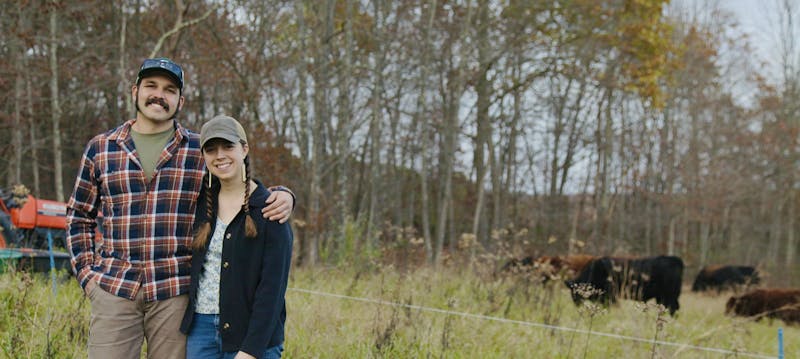
- Examples include Topaz Farm in Sauvie Island, which combines crop production with educational tours, workshops, and seasonal events, thereby supporting local economies and community engagement (SDG 11).
- Supporters highlight that adapting to modern consumer preferences, such as smaller portion sizes and experiential offerings, is necessary to preserve farming livelihoods (SDG 2).
Opponents’ Concerns
- Land conservation groups warn that loosening restrictions may threaten the primary agricultural function of rural lands, potentially undermining food security and biodiversity (SDG 2 and SDG 15).
- There is concern that increased tourism and commercial activities could disrupt farming operations, increase traffic, and lead to the displacement of younger farmers due to rising land values (SDG 11 and SDG 15).
- Critics argue that the bill’s provisions allowing up to 95% of store products to be unrelated to farm-grown goods could transform farms into retail outlets, diluting agricultural focus.
Current Regulatory Framework vs. Proposed Changes
- Existing rules require that at least 75% of annual sales on agricultural land come from farm-grown products, with a cap of 25% on revenue from events and non-agricultural merchandise.
- The proposed bill would remove the limit on non-agricultural sales and permit greater retail flexibility.
- Safeguards in the bill include:
- Maintaining at least 50% of the property for farming activities.
- Limiting farm store size to 10,000 square feet.
- Prohibiting use of farm stores as hotels, full-service cafes, or drive-thru restaurants.
- Allowing counties to regulate traffic, noise, and operating hours.
Public Response and Legislative Process
The bill’s introduction followed significant public backlash related to earlier proposed land use rules by the Oregon Department of Land Conservation and Development. Social media played a pivotal role in mobilizing farmer and community responses, highlighting the importance of transparent communication in sustainable policy development (SDG 16 – Peace, Justice, and Strong Institutions).
Legislators have received extensive public testimony and will continue deliberations on the bill in upcoming sessions.
Conclusion and SDG Alignment
The ongoing debate over House Bill 4153 encapsulates the complex challenge of promoting sustainable agricultural development while preserving rural community character and environmental integrity. The proposal’s outcome will significantly impact Oregon’s progress toward achieving the following SDGs:
- SDG 2: Ensuring sustainable food production systems and resilient agricultural practices.
- SDG 8: Supporting economic growth and diversification for farm operators.
- SDG 11: Fostering sustainable rural communities and responsible land use.
- SDG 15: Protecting terrestrial ecosystems and preventing land degradation.
- SDG 16: Encouraging inclusive decision-making and stakeholder engagement.
Careful consideration of these goals is essential to balance economic viability with environmental stewardship and social equity in Oregon’s agricultural sector.
1. Sustainable Development Goals (SDGs) Addressed or Connected to the Issues Highlighted in the Article
- SDG 2: Zero Hunger
- The article discusses the challenges faced by farmers in Oregon, including the need to sustain agricultural production and adapt income models to keep farms operational.
- SDG 8: Decent Work and Economic Growth
- The debate over House Bill 4153 relates to economic sustainability of farms, diversification of income sources, and the potential for agritourism to support rural economies.
- SDG 11: Sustainable Cities and Communities
- The article highlights concerns about rural community transformation, land use, and maintaining the character and function of farming communities amidst tourism growth.
- SDG 15: Life on Land
- Land conservation and the protection of agricultural land use are central to the discussion, reflecting the goal of sustainably managing terrestrial ecosystems.
2. Specific Targets Under Those SDGs Identified Based on the Article’s Content
- SDG 2: Zero Hunger
- Target 2.3: By 2030, double the agricultural productivity and incomes of small-scale food producers, including through secure and equal access to land.
- Target 2.4: Ensure sustainable food production systems and implement resilient agricultural practices.
- SDG 8: Decent Work and Economic Growth
- Target 8.3: Promote development-oriented policies that support productive activities, decent job creation, and entrepreneurship.
- Target 8.9: By 2030, devise and implement policies to promote sustainable tourism that creates jobs and promotes local culture and products.
- SDG 11: Sustainable Cities and Communities
- Target 11.3: Enhance inclusive and sustainable urbanization and capacity for participatory, integrated and sustainable human settlement planning and management.
- Target 11.4: Strengthen efforts to protect and safeguard the world’s cultural and natural heritage.
- SDG 15: Life on Land
- Target 15.3: Combat desertification, restore degraded land and soil, including land affected by desertification, drought and floods.
- Target 15.9: Integrate ecosystem and biodiversity values into national and local planning.
3. Indicators Mentioned or Implied in the Article to Measure Progress Towards the Identified Targets
- Indicators Related to Agricultural Productivity and Income (SDG 2)
- Proportion of agricultural land under productive and sustainable agriculture (implied by the discussion on land use and farm productivity).
- Income levels of small-scale food producers (implied by farmers’ need to diversify income through agritourism and retail sales).
- Indicators Related to Economic Growth and Employment (SDG 8)
- Number of jobs created in agritourism and farm-related retail activities (implied by the expansion of farm stores and events).
- Growth in rural economic activities related to tourism and farm diversification.
- Indicators Related to Sustainable Communities and Land Use (SDG 11 and SDG 15)
- Land area designated for agricultural use versus commercial or tourism use (implied by debates on zoning and land conservation).
- Number of regulations or policies enacted to protect agricultural land and rural community character.
- Traffic and environmental impact assessments related to agritourism activities (implied by concerns about crowding and disruption).
4. Table of SDGs, Targets, and Indicators
| SDGs | Targets | Indicators |
|---|---|---|
| SDG 2: Zero Hunger |
|
|
| SDG 8: Decent Work and Economic Growth |
|
|
| SDG 11: Sustainable Cities and Communities |
|
|
| SDG 15: Life on Land |
|
|
Source: opb.org
What is Your Reaction?
 Like
0
Like
0
 Dislike
0
Dislike
0
 Love
0
Love
0
 Funny
0
Funny
0
 Angry
0
Angry
0
 Sad
0
Sad
0
 Wow
0
Wow
0