Air Pollution Crisis Needs Regular Monitoring, Not Customary Hearing in Winter: SC – Deccan Chronicle
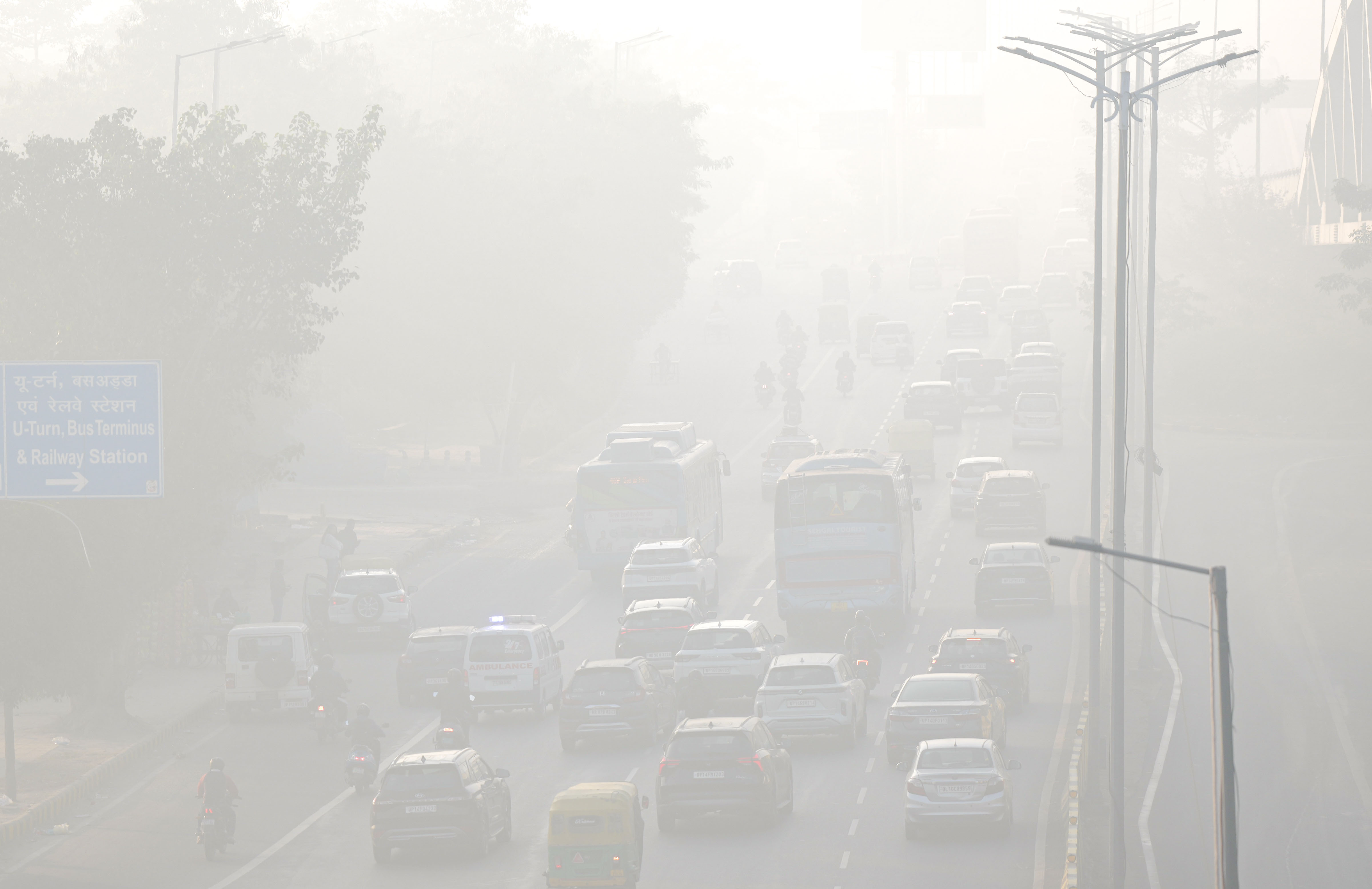
Supreme Court Mandates Proactive, Year-Round Monitoring of Delhi-NCR Air Pollution
A Shift in Judicial Strategy for Sustainable Urban Health (SDG 3, SDG 11)
The Supreme Court of India has initiated a significant strategic shift in addressing the persistent air pollution crisis in the Delhi-National Capital Region (NCR). The Court has mandated that the issue will be monitored continuously throughout the year, with hearings scheduled twice a month. This approach moves away from the customary practice of addressing the problem only during the winter months. This sustained judicial oversight aims to enforce the implementation of both short-term and long-term solutions, directly contributing to the achievement of SDG 3 (Good Health and Well-being) by treating air quality as a fundamental public health priority and advancing SDG 11 (Sustainable Cities and Communities) by ensuring urban environments are safe and healthy.
Re-evaluating Pollution Sources Beyond a Singular Focus
The Court has called for a more nuanced and scientific analysis of pollution sources, challenging the narrative that primarily blames agricultural stubble burning.
- Chief Justice Surya Kant noted that during COVID-19 lockdowns, clear skies were visible despite the continuation of stubble burning, indicating the significant role of other pollution contributors.
- The bench cautioned against politicizing the issue of stubble burning, emphasizing that the burden should not be unfairly placed on farmers, a consideration that touches upon the principles of sustainable livelihoods within SDG 8 (Decent Work and Economic Growth).
Central government authorities acknowledged a multi-faceted problem, identifying several key contributors to the poor Air Quality Index (AQI):
- Stubble burning
- Vehicular pollution
- Construction dust
- Road dust
- Biomass burning
Call for Integrated Solutions and Sustainable Urban Planning (SDG 11, SDG 13)
The Supreme Court has directed central bodies, including the Commission for Air Quality Management (CAQM) and the Central Pollution Control Board (CPCB), to present a comprehensive plan outlining sustainable measures. The focus is on long-term, systemic solutions rather than temporary emergency actions under the Graded Response Action Plan (GRAP). The Chief Justice highlighted that unplanned urban development, designed without anticipating population growth and high vehicle density, has negatively impacted the quality of life. This critique directly aligns with the objectives of SDG 11 (Sustainable Cities and Communities), which calls for inclusive, safe, resilient, and sustainable urban development. Addressing these pollution sources is also integral to SDG 13 (Climate Action), as many air pollutants are also greenhouse gases.
Fostering Stakeholder Collaboration for Scientific Solutions (SDG 17)
The Court has positioned itself as a crucial platform for facilitating collaboration among all stakeholders, including government agencies, pollution control boards, and domain experts. This approach embodies the spirit of SDG 17 (Partnerships for the Goals).
- The bench emphasized that effective solutions must be derived from scientific analysis and expert deliberation.
- Submissions from the amicus curiae highlighted vehicular pollution and dust as primary contributors, while also flagging infrastructural issues like non-functional air quality monitoring devices.
- The Court will use its regular hearings, commencing December 10, to monitor the implementation of expert-recommended measures and ensure a concerted effort to find lasting solutions to the public health menace.
Analysis of Sustainable Development Goals in the Article
-
Which SDGs are addressed or connected to the issues highlighted in the article?
- SDG 3: Good Health and Well-being: The entire article revolves around the “menace of air pollution” in Delhi-NCR, which is a significant public health hazard. The Supreme Court’s intervention to find “short and long-term solutions” directly addresses the need to protect citizens’ health from the harmful effects of poor air quality.
- SDG 11: Sustainable Cities and Communities: The issue is geographically centered on “Delhi-NCR,” a major urban agglomeration. The article explicitly links the problem to urban issues like “unplanned urban growth,” “vehicular pollution,” and the fact that cities were not developed to “accommodate this scale of population or with the thought that each home will have multiple cars.” This directly connects to the goal of making cities safe, resilient, and sustainable.
- SDG 17: Partnerships for the Goals: The article highlights the multi-stakeholder approach required to tackle the problem. The Supreme Court is acting as a facilitator, seeking plans from the “Commission for Air Quality Management (CAQM), Central Pollution Control Board (CPCB) and others.” The Chief Justice’s statement that the court can “provide a platform for all stakeholders to deliberate” underscores the need for collaboration between the judiciary, government bodies, and experts, which is the essence of SDG 17.
-
What specific targets under those SDGs can be identified based on the article’s content?
- Target 3.9: “By 2030, substantially reduce the number of deaths and illnesses from hazardous chemicals and air, water and soil pollution and contamination.” The article’s core focus on tackling the “air pollution issue” and its hazardous nature is a direct effort to achieve this target by mitigating health risks associated with poor air quality.
- Target 11.6: “By 2030, reduce the adverse per capita environmental impact of cities, including by paying special attention to air quality…” The discussion is centered on improving Delhi’s “poor AQI” by addressing sources like “vehicular pollution, construction dust, road dust and biomass burning,” which are all components of a city’s environmental impact.
- Target 11.2: “By 2030, provide access to safe, affordable, accessible and sustainable transport systems for all…” This target is implied through the identification of “vehicular pollution” as a key contributor and the observation that “metro projects would eventually be a game changer.” The problem of “cars parked on both sides of Delhi’s roads” also points to the need for better public and sustainable transport solutions.
- Target 17.14: “Enhance policy coherence for sustainable development.” The Supreme Court’s intervention aims to create a coherent and non-political strategy. By demanding “long-term and short-term plans” from various government bodies (CAQM, CPCB) and emphasizing that the “issue of stubble burning should not unnecessarily become a political issue,” the court is pushing for a coordinated and effective policy response.
-
Are there any indicators mentioned or implied in the article that can be used to measure progress towards the identified targets?
- Air Quality Index (AQI): This is a direct indicator mentioned multiple times in the article. For instance, the Chief Justice refers to “Monday’s Air Quality Index (AQI)” and notes the “improvement in the AQI levels.” The AQI serves as the primary metric for measuring the level of air pollution and tracking progress towards cleaner air (relevant to Targets 3.9 and 11.6).
- Source Apportionment Data: While not named explicitly, this indicator is strongly implied. The court’s call for a “scientific analysis to ascertain the factor which is contributing the most to the problem” refers to the need for data that breaks down pollution by its sources (e.g., percentage from vehicular pollution, dust, stubble burning). This data is crucial for creating targeted and effective policies.
- Functionality of Monitoring Infrastructure: The article mentions a report that “several air quality monitoring devices were not functioning properly.” The operational status and density of these monitoring stations are themselves an indicator of a city’s capacity to measure and manage air quality, which is essential for tracking progress.
Summary of SDGs, Targets, and Indicators
| SDGs | Targets | Indicators |
|---|---|---|
| SDG 3: Good Health and Well-being | Target 3.9: Substantially reduce deaths and illnesses from air pollution. | Air Quality Index (AQI) levels. |
| SDG 11: Sustainable Cities and Communities |
|
|
| SDG 17: Partnerships for the Goals | Target 17.14: Enhance policy coherence for sustainable development. | Implementation of coordinated short-term and long-term plans by multiple stakeholders (CAQM, CPCB, etc.) as monitored by the Supreme Court. |
Source: deccanchronicle.com
What is Your Reaction?
 Like
0
Like
0
 Dislike
0
Dislike
0
 Love
0
Love
0
 Funny
0
Funny
0
 Angry
0
Angry
0
 Sad
0
Sad
0
 Wow
0
Wow
0