




































Donald Trump declares the Republican Party the pro-pollution party – California State Portal | CA.gov

Report on the Repeal of the U.S. EPA’s Endangerment Finding and Its Impact on Sustainable Development Goals
Introduction
On February 12, 2026, Governor Gavin Newsom publicly condemned the Trump administration’s repeal of the U.S. Environmental Protection Agency’s (EPA) Endangerment Finding. This repeal disavows the federal government’s authority to regulate greenhouse gas emissions, a critical step in protecting public health and combating climate change. This report emphasizes the implications of this decision on the Sustainable Development Goals (SDGs), particularly SDG 3 (Good Health and Well-being), SDG 7 (Affordable and Clean Energy), SDG 11 (Sustainable Cities and Communities), SDG 13 (Climate Action), and SDG 15 (Life on Land).
Key Points of the EPA Repeal
- The repeal overturns the 2009 scientific determination that greenhouse gases endanger public health and welfare, undermining the legal foundation for federal climate actions.
- The Clean Air Act mandates the EPA’s duty to protect public health from air pollutants, including greenhouse gases; this repeal contradicts that responsibility.
- Governor Newsom announced California’s intention to sue the federal government to challenge this decision and continue leading climate pollution reduction efforts.
Impact on Public Health and Environment (SDG 3, SDG 13, SDG 15)
- The repeal threatens increased occurrences of deadly wildfires, extreme heat deaths, floods, and droughts, exacerbating climate-driven disasters.
- Air quality is expected to deteriorate, increasing respiratory illnesses and other health issues, disproportionately affecting vulnerable populations including children and youth.
- Climate change-related mental health challenges such as anxiety, depression, and cognitive impairments are anticipated to rise due to environmental stressors.
California’s Response and Climate Leadership (SDG 7, SDG 11, SDG 13)
- California has reduced greenhouse gas emissions by 21% since 2000 while growing its economy by 81%, demonstrating sustainable economic growth.
- In 2023, California achieved powering two-thirds of its electricity from clean energy sources and has operated on 100% clean electricity for parts of the day.
- Battery storage capacity has increased by over 2,100%, with California currently holding 33% of the storage capacity needed to achieve 100% clean electricity by 2045.
- California continues to challenge federal rollbacks through legal action and coalition efforts, promoting climate action and environmental justice.
Trump Administration’s Environmental Policy Rollbacks and Their Consequences
The administration’s actions have systematically prioritized polluters over public health and scientific evidence, including:
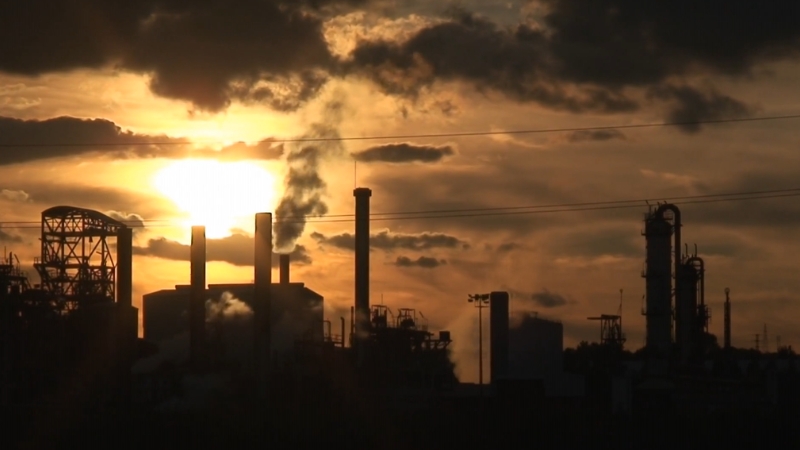
- Weakening air pollution rules and fuel economy standards, increasing pollution and economic costs for Americans.
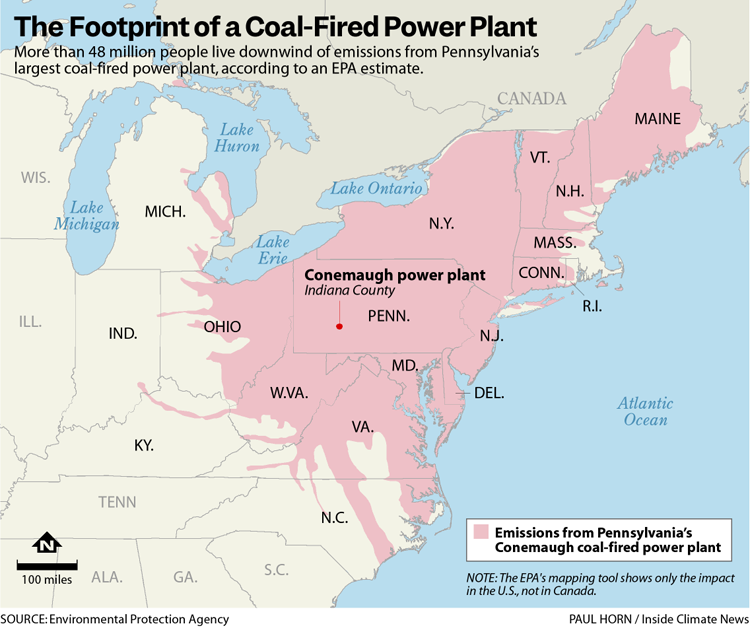
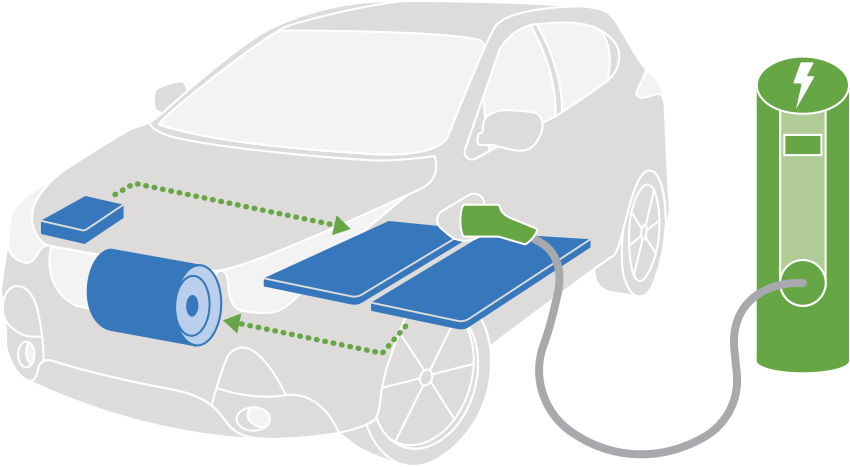
- Allowing higher emissions from coal-burning power plants and ending federal support for electric vehicle markets.
- Creating regulatory uncertainty that has led to canceled clean energy investments and job losses.
- Censoring climate science information, restricting terminology usage, and dismantling scientific research infrastructure.
- Withdrawing from international climate agreements, weakening global cooperation on climate action.
Alignment with Sustainable Development Goals
- SDG 3: Good Health and Well-being – The repeal endangers public health by increasing exposure to air pollution and climate-related disasters.
- SDG 7: Affordable and Clean Energy – California’s clean energy advancements contrast federal rollbacks, highlighting the importance of sustainable energy policies.
- SDG 11: Sustainable Cities and Communities – Increased climate risks threaten urban and rural communities, emphasizing the need for resilient infrastructure and policies.
- SDG 13: Climate Action – The repeal undermines national and global efforts to mitigate climate change, while California leads proactive climate initiatives.
- SDG 15: Life on Land – Increased wildfires and environmental degradation threaten ecosystems and biodiversity.
Conclusion
The repeal of the EPA’s Endangerment Finding represents a significant setback in the United States’ commitment to sustainable development and climate action. California’s leadership and commitment to upholding environmental protections and advancing clean energy serve as a critical counterbalance. Upholding the principles of the Sustainable Development Goals remains essential to protecting public health, fostering economic growth, and ensuring environmental sustainability for current and future generations.
1. Sustainable Development Goals (SDGs) Addressed or Connected
- SDG 3: Good Health and Well-being
- The article discusses public health impacts caused by climate pollution, including respiratory illnesses, heat-related deaths, and mental health challenges.
- SDG 7: Affordable and Clean Energy
- California’s leadership in clean energy, battery storage, and clean electricity is highlighted.
- SDG 11: Sustainable Cities and Communities
- Issues such as wildfires, floods, and air pollution affecting communities are discussed.
- SDG 13: Climate Action
- The core issue is the repeal of the EPA’s Endangerment Finding, which undermines climate pollution regulation and action.
- SDG 15: Life on Land
- Climate-driven wildfires and environmental degradation affecting forests and ecosystems are mentioned.
- SDG 16: Peace, Justice and Strong Institutions
- Legal challenges and governance issues related to environmental protection and scientific integrity are discussed.
2. Specific Targets Under Those SDGs Identified
- SDG 3: Good Health and Well-being
- Target 3.9: Reduce the number of deaths and illnesses from hazardous chemicals and air, water, and soil pollution and contamination.
- SDG 7: Affordable and Clean Energy
- Target 7.2: Increase substantially the share of renewable energy in the global energy mix.
- Target 7.3: Double the global rate of improvement in energy efficiency.
- SDG 11: Sustainable Cities and Communities
- Target 11.6: Reduce the adverse per capita environmental impact of cities, including air quality and waste management.
- Target 11.b: Increase the number of cities adopting integrated policies and plans towards inclusion, resource efficiency, mitigation, and adaptation to climate change.
- SDG 13: Climate Action
- Target 13.1: Strengthen resilience and adaptive capacity to climate-related hazards and natural disasters.
- Target 13.2: Integrate climate change measures into national policies, strategies, and planning.
- SDG 15: Life on Land
- Target 15.1: Ensure the conservation, restoration, and sustainable use of terrestrial and inland freshwater ecosystems.
- SDG 16: Peace, Justice and Strong Institutions
- Target 16.6: Develop effective, accountable, and transparent institutions at all levels.
- Target 16.10: Ensure public access to information and protect fundamental freedoms.
3. Indicators Mentioned or Implied to Measure Progress
- SDG 3 Indicators
- Mortality rates attributed to air pollution and climate-related hazards (e.g., heat deaths, wildfire-related deaths).
- Incidence of respiratory diseases and mental health conditions linked to pollution and climate change.
- SDG 7 Indicators
- Percentage of energy consumption from renewable sources (e.g., California’s two-thirds clean energy achievement).
- Installed capacity of energy storage systems (e.g., battery storage megawatts).
- SDG 11 Indicators
- Air quality indices measuring pollution levels in communities.
- Frequency and impact of climate-related disasters (wildfires, floods) on urban areas.
- SDG 13 Indicators
- Greenhouse gas emissions levels (e.g., California’s 21% reduction since 2000).
- Number and severity of climate-driven weather disasters and related economic damages.
- SDG 15 Indicators
- Extent of forest area affected by wildfires and other climate impacts.
- SDG 16 Indicators
- Number of legal actions and policy measures taken to uphold environmental protections.
- Availability and transparency of climate and pollution data to the public.
4. Table of SDGs, Targets, and Indicators
| SDGs | Targets | Indicators |
|---|---|---|
| SDG 3: Good Health and Well-being | 3.9: Reduce deaths and illnesses from pollution and contamination. |
|
| SDG 7: Affordable and Clean Energy |
|
|
| SDG 11: Sustainable Cities and Communities |
|
|
| SDG 13: Climate Action |
|
|
| SDG 15: Life on Land | 15.1: Conserve and restore terrestrial ecosystems. |
|
| SDG 16: Peace, Justice and Strong Institutions |
|
|
Source: gov.ca.gov
What is Your Reaction?
 Like
0
Like
0
 Dislike
0
Dislike
0
 Love
0
Love
0
 Funny
0
Funny
0
 Angry
0
Angry
0
 Sad
0
Sad
0
 Wow
0
Wow
0