















































Bill Gates discovers the way to fight climate battle actually involves helping humans – Fox News
Report on Shifting Priorities from Climate Mitigation to Sustainable Development
A Proposed Reorientation of Global Climate Strategy Ahead of COP30
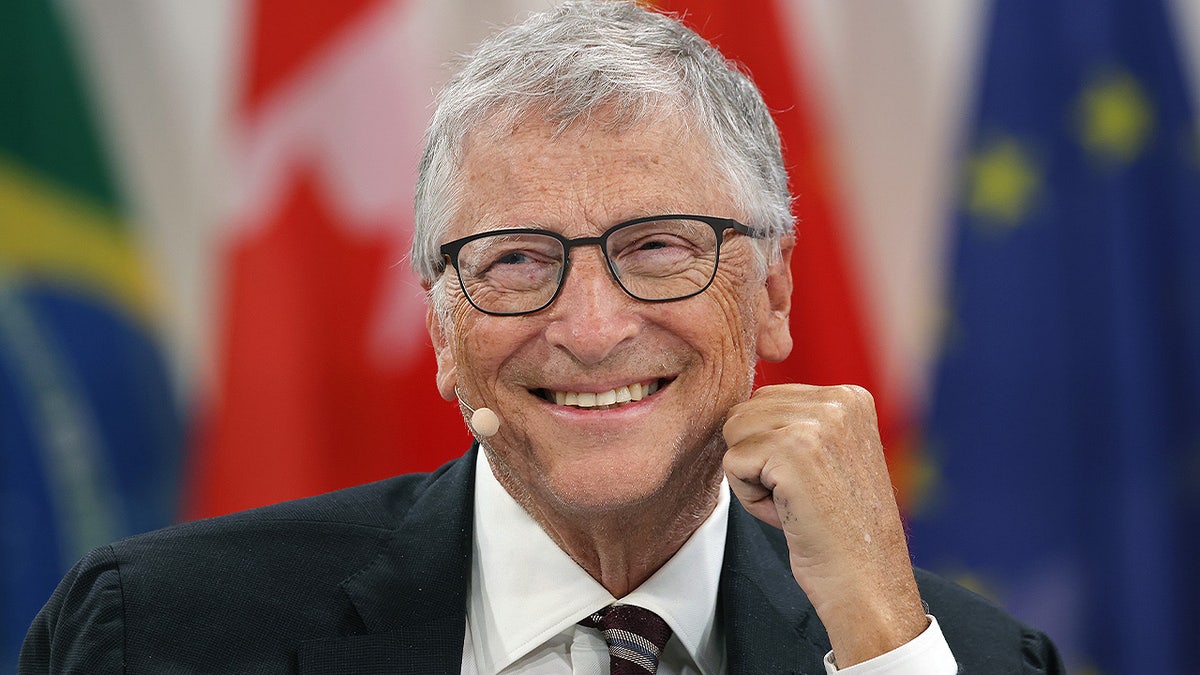
In anticipation of the UN Climate Change Conference (COP30), a proposal by Bill Gates advocates for a fundamental reorientation of global priorities. The memorandum suggests a shift from a singular focus on climate modification, as pursued under Sustainable Development Goal 13 (Climate Action), towards a more holistic approach centered on poverty reduction and human development, directly aligning with SDG 1 (No Poverty) and SDG 3 (Good Health and Well-being).
Core Premises of the Development-First Approach
The argument for this strategic pivot is based on three key premises that re-evaluate the relationship between climate change and global development:
- Climate change presents significant challenges but does not constitute an existential threat to civilization.
- Metrics focused solely on emissions and temperature are inadequate for measuring genuine progress in human welfare.
- The most effective defense against climate change impacts is the enhancement of health and economic prosperity, foundational targets of the Sustainable Development Goals.
Data presented suggests that resources allocated to achieving net-zero emissions could yield greater humanitarian benefits if redirected toward achieving SDG 7 (Affordable and Clean Energy) and preventing disease, thereby advancing SDG 3.
The Nexus of Energy, Economy, and Sustainable Development
A strong correlation between energy access and economic prosperity underscores the argument that achieving multiple SDGs is contingent upon energy availability. This relationship is critical for realizing a globally equitable development agenda.
- SDG 8 (Decent Work and Economic Growth): No nation has achieved a high per capita income with low per capita energy consumption. The data indicates that nations with incomes over $14,005 use fifty times more energy per capita than those with incomes below $1,145.
- SDG 1 (No Poverty): Increased energy access facilitates improved living standards, agricultural advancement through modern technologies, and economic mobility, reducing dependence on subsistence farming.
- SDG 7 (Affordable and Clean Energy): Addressing energy poverty is presented as a primary driver for alleviating migration pressures from developing regions to high-energy, fossil fuel-rich nations.
Enhancing Resilience and Reducing Inequality Through Development
The report highlights that the most profound inequities are rooted in disparities in human development, which directly impacts a nation’s resilience to climate-related events. Investing in core infrastructure and services is crucial for achieving SDG 10 (Reduced Inequalities).
- Health and Well-being (SDG 3): A child in South Sudan faces a 39-times higher mortality risk before age five than a child in Sweden, a disparity linked to inadequate healthcare infrastructure, nutrition, and energy access.
- Infrastructure and Sanitation (SDG 9 and SDG 6): High-energy nations possess superior healthcare facilities, water sanitation systems, and resilient infrastructure, which reduce mortality rates and enable greater capacity for environmental protection.
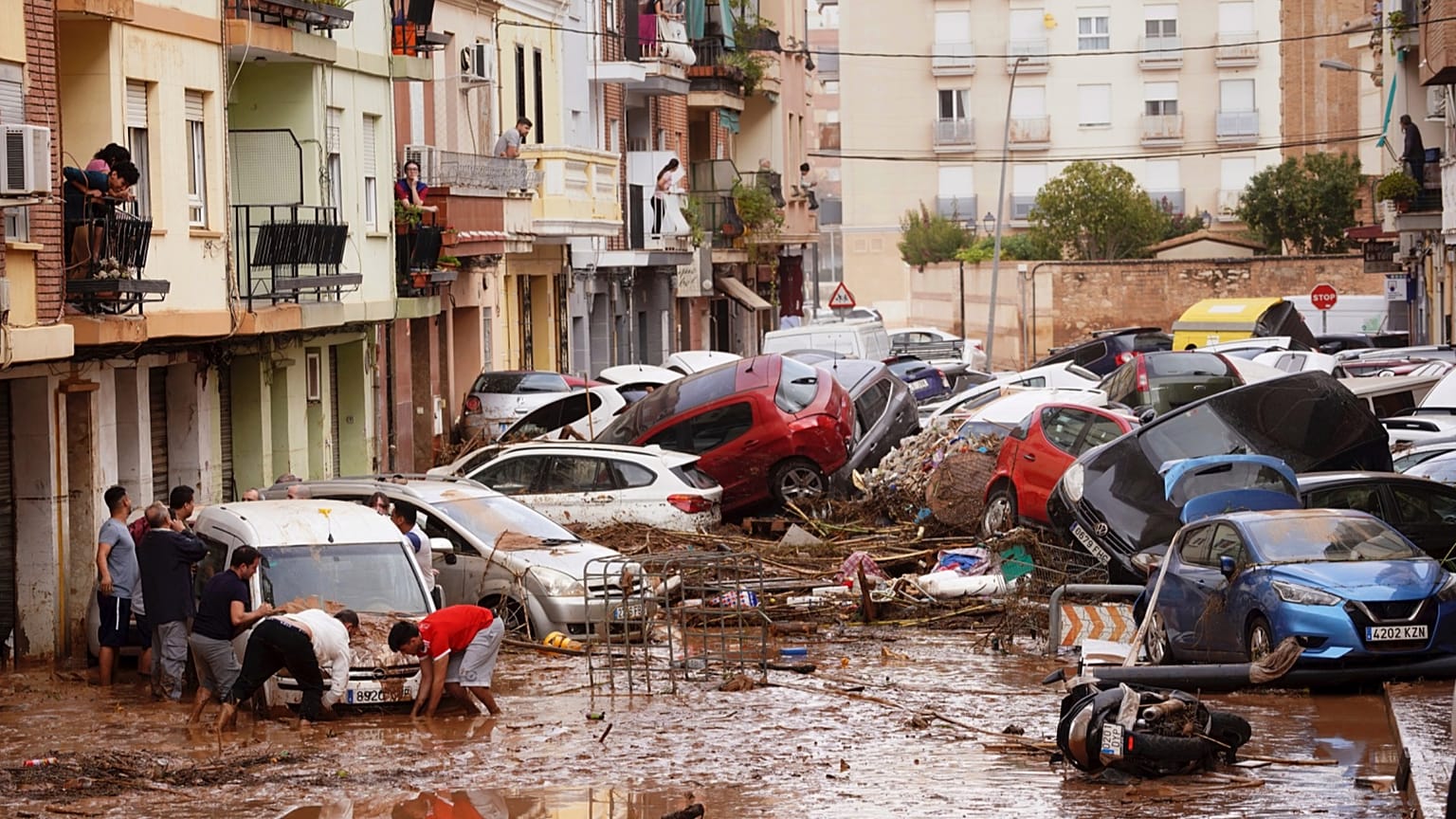
- Climate Adaptation (SDG 13): The disproportionate damage inflicted by natural disasters on developing nations, as seen in Jamaica, is attributed to deficiencies in energy infrastructure and resilient construction. Affordable energy is essential for building the adaptive capacity to withstand climate shocks.
Policy and Financial Realignments for Development-Centric Energy Strategies
Recent shifts in international finance and policy reflect a growing recognition of the need to support a broader range of energy solutions to accelerate development in emerging economies. This realignment impacts the implementation of SDG 17 (Partnerships for the Goals).
- Financial institutions, including 140 private banks in the UN Net Zero Banking Alliance, have suspended commitments to restrict fossil fuel financing, allowing developing nations to secure loans for essential conventional power infrastructure.
- The reversal of restrictions on loans for fossil fuel projects by the United States aims to support emerging economies and reduce China’s strategic lending influence in Africa and Latin America.
- This policy change enables the financing of power plants, transmission grids, and distribution networks necessary to achieve universal energy access, a key target of SDG 7.
Conclusion: Integrating Climate Action with the Broader SDG Agenda
The proposal challenges the international community to recognize that effective climate strategy must be synergistic with the broader 2030 Agenda for Sustainable Development. While climate conferences are held in developed nations with robust infrastructure, billions of people lack the fundamental energy access that underpins such progress. The argument posits that the most impactful form of climate action is to ensure vulnerable populations have the resources to adapt and thrive. This reframes the ultimate goal from achieving atmospheric targets to advancing human and economic progress, ensuring that efforts under SDG 13 do not perpetuate the poverty and inequality that SDG 1 and SDG 10 seek to eliminate.
Analysis of the Article in Relation to Sustainable Development Goals
SDGs Addressed or Connected to the Issues Highlighted
-
SDG 1: No Poverty
The article’s central theme, as proposed by Bill Gates, is a fundamental shift in priorities to focus on “poverty reduction” and “improving lives… in the world’s poorest countries.” It directly addresses the goal of ending poverty by arguing that economic prosperity is the most effective defense against climate change and that resources should be directed toward alleviating poverty rather than solely on emissions targets.
-
SDG 3: Good Health and Well-being
The article explicitly mentions the need for “improved health,” “disease prevention,” “enhanced access to… healthcare infrastructure,” and reducing “maternal and child mortality rates.” It highlights the stark disparity in health outcomes, noting that a child in South Sudan has a mortality risk 39 times higher than a child in Sweden, linking economic and energy poverty directly to health crises.
-
SDG 7: Affordable and Clean Energy
A core argument in the article is the critical role of “energy access” in development. It discusses “energy poverty” in African and Latin American nations, the correlation between energy consumption and economic prosperity, and the need for financing for “conventional power plants, transmission infrastructure, distribution networks and household connections.” The debate over financing fossil fuel projects versus exclusively renewable energy initiatives is central to this goal.
-
SDG 8: Decent Work and Economic Growth
The article establishes a direct link between energy consumption and “economic prosperity,” “high per capita income,” and “enhanced productivity.” It argues that increased energy access enables “economic mobility to pursue alternative livelihoods” beyond subsistence farming, which is a key component of sustainable economic growth.
-
SDG 9: Industry, Innovation and Infrastructure
The text emphasizes the importance of infrastructure for development and resilience. It mentions the need for “superior healthcare infrastructure and water sanitation systems,” “resilient construction,” and “energy infrastructure” to help developing nations withstand natural disasters like Hurricane Melissa. It also touches on the role of “modern agricultural technologies” facilitated by energy access.
-
SDG 10: Reduced Inequalities
The article highlights the deep inequalities between nations. It points out how natural disasters “inflict disproportionate damage on developing nations compared to wealthy countries” and contrasts child mortality rates between South Sudan and Sweden. The discussion on “energy poverty” driving migration from developing to developed regions further underscores the theme of global inequality.
-
SDG 13: Climate Action
The entire article is framed within the context of the “climate crisis” and the upcoming UN Climate Change Conference, COP30. It debates the most effective strategy for climate action, contrasting the focus on “net-zero emissions” and “temperature change” with an approach centered on strengthening resilience and adaptive capacity for vulnerable populations. It argues that helping poor nations develop is the most effective climate strategy.
Specific Targets Identified from the Article
-
Target 1.5 (No Poverty)
“By 2030, build the resilience of the poor and those in vulnerable situations and reduce their exposure and vulnerability to climate-related extreme events and other economic, social and environmental shocks and disasters.” The article directly relates to this target by discussing how natural disasters like Hurricane Melissa cause “disproportionate damage on developing nations” due to a lack of “resilient construction and recovery capabilities,” arguing that energy access is essential to building this resilience.
-
Target 3.2 (Good Health and Well-being)
“By 2030, end preventable deaths of newborns and children under 5 years of age…” The article explicitly references this target by stating, “A child born in South Sudan faces mortality risks 39 times higher before age five compared to a Swedish child,” and links reduced “child mortality rates” to better infrastructure in high-energy nations.
-
Target 7.1 (Affordable and Clean Energy)
“By 2030, ensure universal access to affordable, reliable and modern energy services.” This target is central to the article’s argument. Gates’s proposal and the policy shift to allow financing for “conventional power plants, transmission infrastructure, distribution networks and household connections” in developing countries directly aim to increase energy access and combat “energy poverty.”
-
Target 8.1 (Decent Work and Economic Growth)
“Sustain per capita economic growth in accordance with national circumstances and, in particular, at least 7 per cent gross domestic product growth per annum in the least developed countries.” The article supports this by linking energy consumption directly to economic prosperity, citing data on how nations with high per capita income use significantly more energy and stating that “no nation has achieved high per capita income with low per capita energy usage.”
-
Target 9.1 (Industry, Innovation and Infrastructure)
“Develop quality, reliable, sustainable and resilient infrastructure… to support economic development and human well-being, with a focus on affordable and equitable access for all.” The article highlights the need for “energy infrastructure,” “healthcare infrastructure,” “water sanitation systems,” and “resilient construction” as foundational elements for improving living standards and protecting against disasters.
-
Target 13.1 (Climate Action)
“Strengthen resilience and adaptive capacity to climate-related hazards and natural disasters in all countries.” While the article questions the focus on emissions targets, its proposed alternative directly aligns with this target. Gates’s argument is that the “most effective climate strategy may be ensuring that vulnerable populations have the resources to adapt and thrive,” which is the essence of building resilience and adaptive capacity.
Indicators Mentioned or Implied in the Article
-
Per Capita Energy Consumption
The article explicitly uses this as an indicator of development, stating that nations with low incomes “consume approximately 1,100 kilowatts per person annually,” while high-income nations “utilize 55,000 kilowatts per person annually.” This metric is used to measure progress towards energy access (SDG 7) and economic growth (SDG 8).
-
Under-5 Mortality Rate
This is a direct indicator for SDG 3. The article provides a stark comparative example: “A child born in South Sudan faces mortality risks 39 times higher before age five compared to a Swedish child.” This statistic is used to measure health outcomes and the disparity between developed and developing nations.
-
Per Capita Income
The article uses per capita income levels to categorize countries and correlate their economic status with energy use. It mentions specific thresholds like “annual per capita incomes below $1,145” for low-income nations and “exceeding $14,005” for high-income nations, serving as a key indicator for SDG 1 (No Poverty) and SDG 8 (Decent Work and Economic Growth).
-
Global Temperature Increase
This is a primary indicator for SDG 13 (Climate Action). The article mentions specific temperature metrics to frame the climate debate, such as a “1.9-degree Celsius temperature increase” with net-zero policies versus a “2.9-degree increase” with inaction. Gates uses this indicator to question the allocation of resources based on a “one-degree differential.”
-
Greenhouse Gas Emissions Levels
The article refers to the goal of achieving “net-zero emissions” as a central, though contested, metric for climate action. This is a key indicator for SDG 13, and the article’s main argument is that focusing on this indicator alone is less effective than focusing on human development indicators.
Summary of SDGs, Targets, and Indicators
| SDGs | Targets | Indicators |
|---|---|---|
| SDG 1: No Poverty | 1.5: Build resilience of the poor to climate-related extreme events and disasters. | Per capita income (e.g., below $1,145). |
| SDG 3: Good Health and Well-being | 3.2: End preventable deaths of newborns and children under 5 years of age. | Under-5 mortality rate (e.g., 39 times higher in South Sudan than Sweden). |
| SDG 7: Affordable and Clean Energy | 7.1: Ensure universal access to affordable, reliable and modern energy services. | Per capita energy consumption (e.g., 1,100 kW vs 55,000 kW). |
| SDG 8: Decent Work and Economic Growth | 8.1: Sustain per capita economic growth. | Per capita income (e.g., above $14,005). |
| SDG 9: Industry, Innovation and Infrastructure | 9.1: Develop quality, reliable, sustainable and resilient infrastructure. | Access to energy, health, and sanitation infrastructure (implied). |
| SDG 10: Reduced Inequalities | 10.2: Empower and promote social, economic, and political inclusion. | Disparities in mortality rates and vulnerability to disasters between nations. |
| SDG 13: Climate Action | 13.1: Strengthen resilience and adaptive capacity to climate-related hazards. | Global temperature increase (e.g., 1.9°C vs 2.9°C); Greenhouse gas emissions levels (e.g., “net-zero”). |
Source: foxnews.com
What is Your Reaction?
 Like
0
Like
0
 Dislike
0
Dislike
0
 Love
0
Love
0
 Funny
0
Funny
0
 Angry
0
Angry
0
 Sad
0
Sad
0
 Wow
0
Wow
0