
























































BYD and Corvus Energy partner on marine energy storage systems – Ship Technology
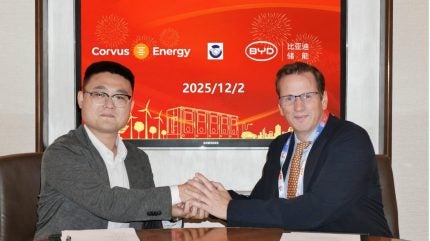
Collaboration Between BYD Energy Storage and Corvus Energy to Advance Marine Battery Solutions
Introduction
BYD Energy Storage and Corvus Energy have signed a memorandum of understanding (MoU) to collaborate on developing battery solutions tailored for the maritime sector. This partnership aims to promote sustainable shipping practices by leveraging advanced energy storage technologies.
Partnership Objectives and Strategic Focus
The collaboration combines BYD Energy Storage’s expertise in lithium iron phosphate (LFP) battery technology with Corvus Energy’s specialization in marine energy storage systems (ESS). The key objectives include:
- Coordinating market activities to encourage broader adoption of marine energy storage systems.
- Accelerating product development to meet the evolving needs of the shipping industry.
- Expanding global market access for marine energy storage solutions.
Roles and Responsibilities
- Corvus Energy: Acts as the ESS System Partner and Route-to-Market Partner, utilizing its expertise in system integration and established customer relationships.
- BYD Energy Storage: Provides scalable and innovative LFP battery technology supported by a strong global supply chain.
Technological Innovation: Blue Whale NxtGen Battery System
Corvus Energy recently launched the Blue Whale NxtGen, a new battery system designed for marine applications requiring high energy content and density. Key features include:
- Modular and scalable design integrated with advanced battery management systems and analytics.
- Use of cobalt-free LFP cells with a projected lifespan of up to 15 years.
- Support for a 1C charge/discharge rate, suitable for both energy storage and power-intensive operations.
- Contribution to reducing emissions and ensuring compliance with future maritime regulations.
Initial deliveries of the Blue Whale NxtGen system are scheduled for the fourth quarter of 2026.
Alignment with Sustainable Development Goals (SDGs)
SDG 7: Affordable and Clean Energy
The partnership promotes the development and deployment of clean energy storage solutions in the maritime sector, facilitating the transition from fossil fuels to sustainable energy sources.
SDG 9: Industry, Innovation, and Infrastructure
By accelerating product development and leveraging innovative battery technologies, the collaboration fosters resilient infrastructure and sustainable industrialization within the shipping industry.
SDG 13: Climate Action
The adoption of advanced marine energy storage systems supports emission reductions in shipping operations, contributing to global efforts to combat climate change.
SDG 17: Partnerships for the Goals
This MoU exemplifies a strategic partnership that combines complementary expertise and resources to advance sustainable development in maritime energy storage.
Conclusion
The collaboration between BYD Energy Storage and Corvus Energy represents a significant advancement in marine battery technology, supporting the shipping industry’s shift towards sustainable operations. By focusing on innovation, scalability, and global market expansion, the partnership aligns closely with multiple Sustainable Development Goals, promoting clean energy, climate action, and industrial innovation.
1. Sustainable Development Goals (SDGs) Addressed or Connected
- SDG 7: Affordable and Clean Energy
- The article discusses the development and adoption of marine energy storage systems using lithium iron phosphate (LFP) battery technology, promoting clean and sustainable energy solutions in the maritime sector.
- SDG 9: Industry, Innovation and Infrastructure
- The collaboration between BYD Energy Storage and Corvus Energy to innovate and accelerate product development in marine battery systems highlights advancements in industrial innovation and infrastructure.
- SDG 13: Climate Action
- The article emphasizes supporting the shipping industry’s shift towards more sustainable operations and reducing emissions, aligning with climate action goals.
- SDG 14: Life Below Water
- By promoting cleaner maritime energy solutions, the article indirectly contributes to the protection of marine ecosystems by reducing pollution from shipping activities.
2. Specific Targets Under Those SDGs Identified
- SDG 7: Affordable and Clean Energy
- Target 7.2: Increase substantially the share of renewable energy in the global energy mix.
- Target 7.3: Double the global rate of improvement in energy efficiency.
- SDG 9: Industry, Innovation and Infrastructure
- Target 9.4: Upgrade infrastructure and retrofit industries to make them sustainable, with increased resource-use efficiency and greater adoption of clean and environmentally sound technologies.
- Target 9.5: Enhance scientific research, upgrade the technological capabilities of industrial sectors, especially in developing countries.
- SDG 13: Climate Action
- Target 13.2: Integrate climate change measures into national policies, strategies, and planning.
- Target 13.3: Improve education, awareness-raising and human and institutional capacity on climate change mitigation, adaptation, impact reduction, and early warning.
- SDG 14: Life Below Water
- Target 14.1: Prevent and significantly reduce marine pollution of all kinds, particularly from land-based activities, including marine debris and nutrient pollution.
3. Indicators Mentioned or Implied to Measure Progress
- Indicator for SDG 7.2:
- Proportion of energy from renewable sources in the maritime sector, implied by the adoption rate of marine energy storage systems using LFP battery technology.
- Indicator for SDG 7.3:
- Energy efficiency improvements in shipping operations, suggested by the use of advanced battery management systems and scalable battery solutions that optimize energy use.
- Indicator for SDG 9.4 and 9.5:
- Number of new marine battery systems developed and deployed globally, reflecting technological advancement and infrastructure upgrades in the maritime industry.
- Indicator for SDG 13.2 and 13.3:
- Reduction in greenhouse gas emissions from shipping, measured by emissions data before and after adoption of new battery systems.
- Implementation of policies supporting sustainable maritime energy solutions, implied by the formalized MoU and coordinated market activities.
- Indicator for SDG 14.1:
- Reduction in marine pollution levels associated with shipping, indirectly measured by cleaner energy usage and lower emissions from vessels using the new battery systems.
4. Table of SDGs, Targets and Indicators
| SDGs | Targets | Indicators |
|---|---|---|
| SDG 7: Affordable and Clean Energy |
|
|
| SDG 9: Industry, Innovation and Infrastructure |
|
|
| SDG 13: Climate Action |
|
|
| SDG 14: Life Below Water |
|
|
Source: ship-technology.com
What is Your Reaction?
 Like
0
Like
0
 Dislike
0
Dislike
0
 Love
0
Love
0
 Funny
0
Funny
0
 Angry
0
Angry
0
 Sad
0
Sad
0
 Wow
0
Wow
0