










































;Resize=620#)










City Unanimously Selects Black and Veatch to Lead Design of Atascadero’s Wastewater Treatment Plant Replacement – New Times San Luis Obispo

Report on the Atascadero Wastewater Treatment Facility Upgrade and its Contribution to Sustainable Development Goals
Project Overview and Strategic Imperative
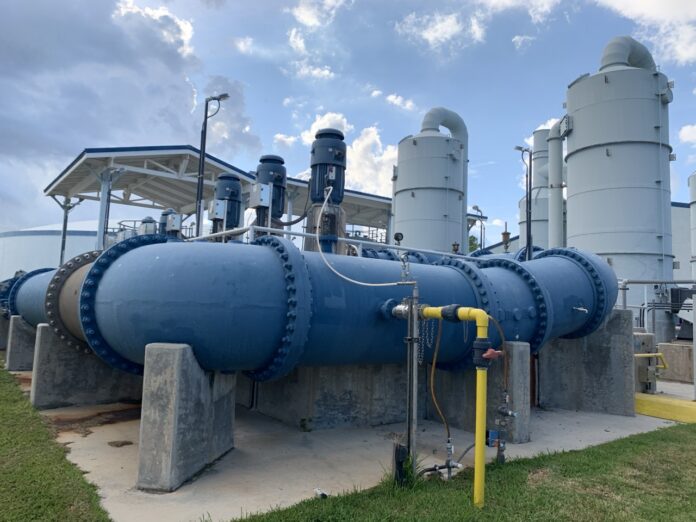
The City of Atascadero has initiated a comprehensive upgrade of its wastewater treatment facility, contracting the engineering firm Black and Veatch for the design phase. This project represents the largest capital undertaking in the city’s history and is essential for regulatory compliance, as the current lagoon-based treatment system no longer meets California state standards. The primary objective, as stated by City Manager James Lewis, is to “design the most efficient, cost effective, and straight forward plant possible” to serve the community’s needs. The existing system serves all commercial and industrial properties and approximately 2,000 of the city’s 15,000 acres, with the remainder of the population utilizing private septic systems.
Alignment with Sustainable Development Goals (SDGs)
This infrastructure project directly supports several United Nations Sustainable Development Goals (SDGs), positioning Atascadero as a community committed to environmental stewardship and sustainable urban development.
- SDG 6: Clean Water and Sanitation: The core mission of the project is to ensure the availability and sustainable management of water and sanitation for all. By replacing an outdated system, the city will significantly improve the quality of its wastewater treatment, thereby protecting local water resources.
- SDG 9: Industry, Innovation, and Infrastructure: The upgrade involves building resilient infrastructure through modern engineering. This investment promotes inclusive and sustainable industrialization by providing reliable services essential for commercial and industrial properties.
- SDG 11: Sustainable Cities and Communities: Modernizing the wastewater facility is a critical step in making Atascadero more inclusive, safe, resilient, and sustainable. It is a foundational investment in the city’s basic services and environmental infrastructure.
- SDG 14: Life Below Water: The new system is being designed for the efficient removal of nitrogen and other pollutants. This directly contributes to the conservation and sustainable use of oceans, seas, and marine resources by preventing pollution of downstream water bodies.
Phased Implementation and Financial Framework
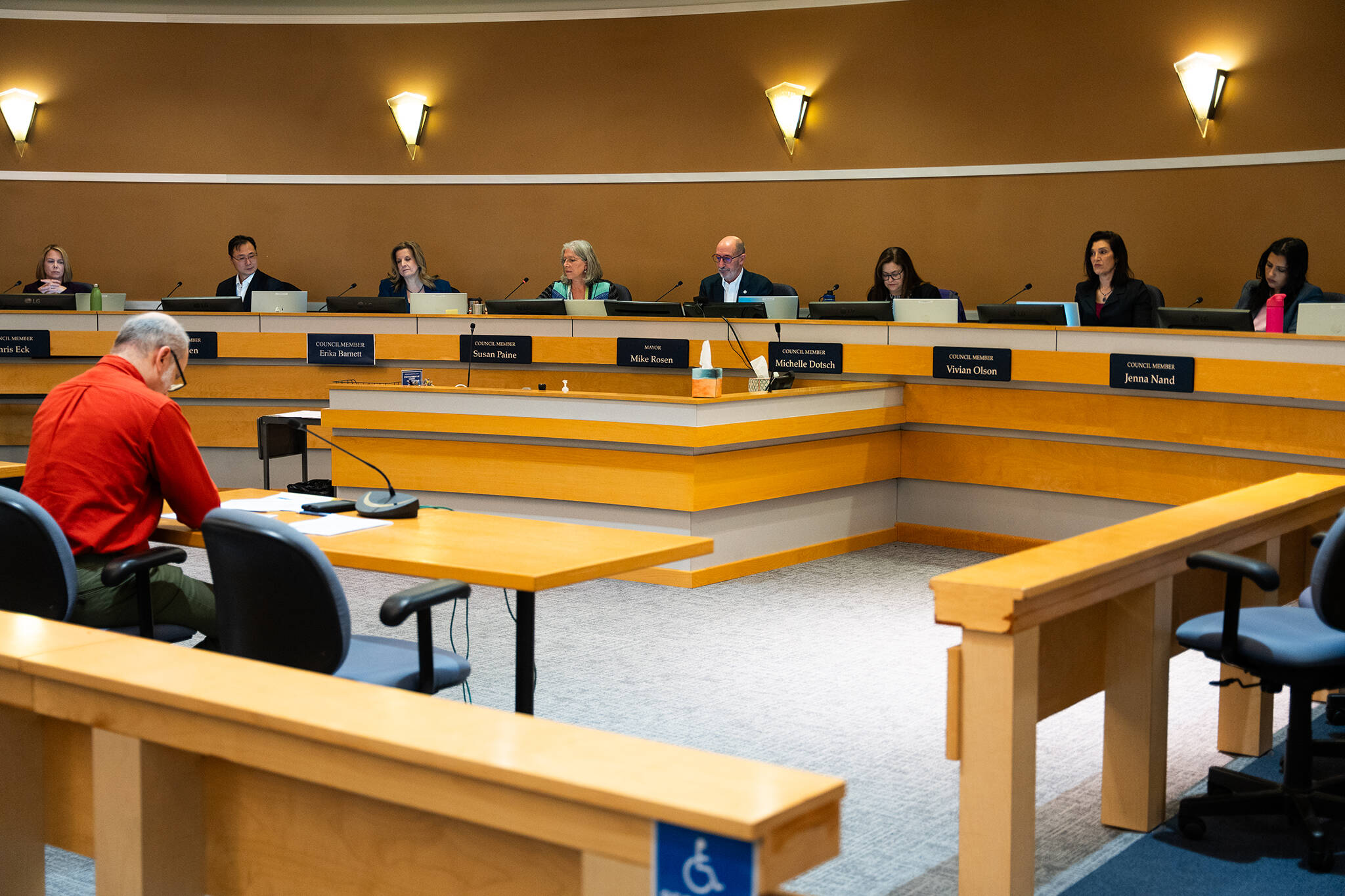
The project is structured in a four-phase approach to ensure fiscal control and technical precision. The City Council has approved the first phase, which focuses on process selection and cost analysis.
- Phase 1: Process Selection and Cost Estimation: Black and Veatch will determine the optimal treatment methodology to efficiently remove pollutants while managing costs. This phase, costing approximately $500,000, will produce a preliminary design and a reliable cost estimate by fall of the upcoming year to inform future rate studies. The anticipated completion for this phase is late spring 2026.
- Subsequent Phases: The city will approve the remaining three phases sequentially. The total cost for all four design phases is estimated at approximately $9 million.
Funding for the project is sourced from the city’s wastewater fund. To support these capital costs, the City Council previously approved a 37 percent increase in sewer rates. According to Public Works Director Nick DeBar, $6 million has been allocated for the next two fiscal years, which is sufficient to cover the first two phases and a portion of the third.
Analysis of Sustainable Development Goals in the Article
1. Which SDGs are addressed or connected to the issues highlighted in the article?
-
SDG 6: Clean Water and Sanitation
This is the most direct SDG addressed. The article is entirely focused on the upgrade of a wastewater treatment facility, which is a core component of sanitation and water quality management. The project’s goal is to replace an outdated system to better treat wastewater and remove pollutants, directly contributing to cleaner water.
-
SDG 9: Industry, Innovation, and Infrastructure
The article describes a major infrastructure project (“the largest project in our city’s history”). It involves upgrading essential public infrastructure (the wastewater treatment plant) to be more efficient, resilient, and compliant with current regulations. This aligns with the goal of developing sustainable and reliable infrastructure.
-
SDG 11: Sustainable Cities and Communities
The project is a municipal effort to improve basic services for the residents and businesses of Atascadero. Effective wastewater management is crucial for reducing the environmental impact of a city and ensuring the health and well-being of its population, which are key aspects of creating sustainable communities.
2. What specific targets under those SDGs can be identified based on the article’s content?
-
Target 6.3: Improve water quality by reducing pollution
The article explicitly states the new system is intended to “efficiently removes nitrogen and other pollutants.” It also notes that the current lagoon-based system is “no longer permitted under current California regulations,” highlighting the need to improve treatment processes to reduce pollution and improve the quality of discharged water.
-
Target 9.1: Develop quality, reliable, sustainable and resilient infrastructure
The project involves replacing an old wastewater system that has not been significantly changed since 1982 with a modern, “efficient, cost effective, and straight forward plant.” This is a clear example of upgrading infrastructure to improve its quality, reliability, and sustainability to meet the community’s needs.
-
Target 11.6: Reduce the adverse per capita environmental impact of cities
By upgrading the wastewater treatment facility to more effectively remove pollutants like nitrogen, the city of Atascadero is taking direct action to reduce its environmental footprint. Improved wastewater treatment is a key component of managing municipal waste and minimizing the negative environmental impact of urban areas.
3. Are there any indicators mentioned or implied in the article that can be used to measure progress towards the identified targets?
-
Implied Indicator for Target 6.3: Proportion of wastewater safely treated
The article implies this indicator by focusing on the need for a system that “efficiently removes nitrogen and other pollutants” to meet “current California regulations.” Progress would be measured by the percentage of the city’s wastewater that is treated to these new, higher standards, which is a direct measure of safe treatment.
-
Implied Indicator for Target 9.1: Investment in infrastructure
The article provides specific financial figures related to the infrastructure investment. It mentions the “Phase 1 contract will cost approximately $500,000,” the “overall four-phase project could cost roughly $9 million,” and that “$6 million [is] allocated for the next two fiscal years.” These figures serve as direct indicators of the financial investment being made to develop and upgrade this essential infrastructure.
-
Implied Indicator for Target 11.6: Level of urban wastewater treatment
The entire project is an indicator of the city’s efforts to improve its waste management. The success of the project, measured by the operational efficiency of the new plant and its ability to remove pollutants, would serve as a measure of progress in reducing the city’s environmental impact. The article mentions the goal is to select a process and get a “dialed-in cost estimate” by fall of the next year, which is a milestone in achieving this improved level of treatment.
4. Summary Table of SDGs, Targets, and Indicators
| SDGs | Targets | Indicators (as identified in the article) |
|---|---|---|
| SDG 6: Clean Water and Sanitation | Target 6.3: By 2030, improve water quality by reducing pollution… and substantially increasing the proportion of safely treated wastewater. | The new facility’s capacity to “efficiently removes nitrogen and other pollutants” in compliance with “current California regulations.” |
| SDG 9: Industry, Innovation, and Infrastructure | Target 9.1: Develop quality, reliable, sustainable and resilient infrastructure… to support economic development and human well-being. | The financial investment in the project: “$500,000” for Phase 1, a potential total cost of “$9 million,” and an allocation of “$6 million” for the next two fiscal years. |
| SDG 11: Sustainable Cities and Communities | Target 11.6: By 2030, reduce the adverse per capita environmental impact of cities, including by paying special attention to… municipal and other waste management. | The replacement of an outdated “lagoon-based treatment system” with a modern plant, indicating an improved level of municipal waste (wastewater) management. |
Source: newtimesslo.com
What is Your Reaction?
 Like
0
Like
0
 Dislike
0
Dislike
0
 Love
0
Love
0
 Funny
0
Funny
0
 Angry
0
Angry
0
 Sad
0
Sad
0
 Wow
0
Wow
0