























































Climateflation and Water Scarcity: A Global Food Crisis with Dire Implications for Africa – Markets Financial Content
Climateflation and Water Scarcity: A Global Food Crisis with Dire Implications for Africa

Introduction
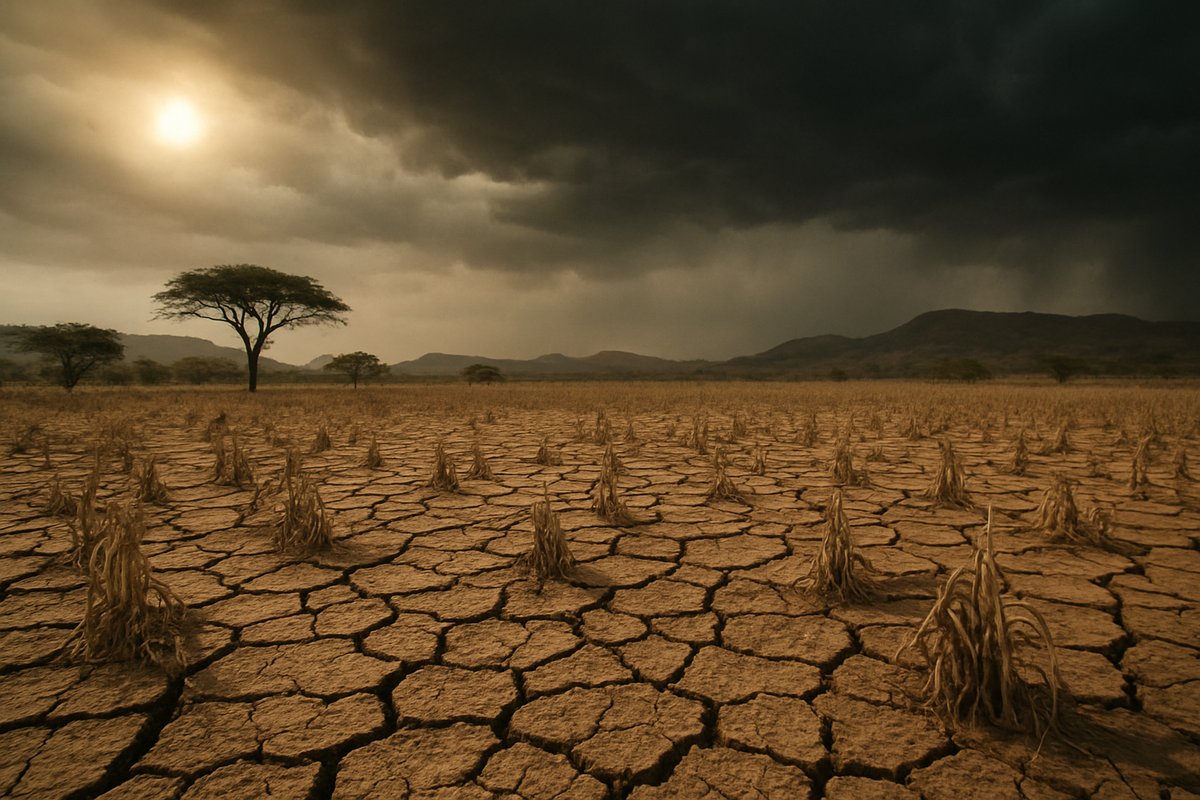
The world is confronting a severe crisis characterized by the combined effects of climate change and water scarcity, termed “climateflation.” This phenomenon is causing a sharp increase in global food commodity prices and pushing millions in Africa toward severe food insecurity. The crisis threatens financial stability and geopolitical order globally. Extreme weather events and persistent water shortages are disrupting agricultural production, leading to increased food prices and supply chain disruptions worldwide.
Climate’s Grip on the Global Food Supply: Timeline of Disruption (2022–2025)
Between 2022 and 2025, extreme weather events—such as droughts, heatwaves, and floods—have intensified, severely impacting agriculture and food prices. Water scarcity, exacerbated by climate change, further reduces crop yields and livestock productivity, driving food inflation. The most affected commodities include fresh fruits and vegetables, with hotter regions experiencing more pronounced price inflation.
Timeline of Key Events
- 2022: Severe drought in the Horn of Africa affected over 31 million people, causing a 40% rise in Ethiopian food prices. Europe faced its worst summer drought in 500 years, with food inflation up to 19%. The U.S. saw an 80% increase in vegetable prices due to drought, while floods in Australia caused lettuce prices to rise by 300%. Global food prices reached record highs.
- 2023: Continued drought in the Horn of Africa led to severe hunger for over 23 million people. Brazil’s drought increased global coffee prices by 55%. Southern Europe’s drought raised olive oil prices by 50%, and Mexico experienced a 20% rise in fruit and vegetable prices.
- 2024: West African heatwaves caused cocoa prices to spike by 280–300%. Asia experienced record temperatures, with significant price increases in Korean cabbage (70%), Japanese rice (48%), and Chinese vegetables (30%). Indian onion and potato prices rose by 89% and 81%, respectively. Coffee crops in Vietnam and Brazil were further damaged, and South African corn prices increased by 36%.
- 2025 (Forecast): The Horn of Africa faces worsening drought conditions, with 6.5 million people at high hunger risk. Africa is experiencing its most severe hunger crisis in decades, affecting over 282 million people. Global food prices are projected to rise annually by 1% to 3% in Europe due to climate impacts.
Key Stakeholders
- Regions Affected: Horn of Africa, Southern and West Africa, North and South America, Europe, Asia, and Oceania.
- International Organizations: FAO, WFP, IFAD, UNICEF, World Bank, IMF, and ECB are actively engaged in crisis response and research.
- Agricultural Sectors: Grains, oilseeds, horticulture, cash crops, and livestock.
- Governments: Developing policies for sustainable agriculture and climate adaptation.
Market Reactions
Commodity markets have experienced sharp price spikes and volatility, notably in cocoa, coffee, and vegetables. Supply chain disruptions and increased production costs highlight the immediate economic impact of climateflation.
Navigating the Storm: Winners and Losers in a Climate-Stressed Market
Climateflation and water scarcity pose significant risks and opportunities across the agricultural and food sectors. Companies investing in climate resilience and efficient water management are positioned for growth, while others face operational challenges.
1. Agricultural Companies
- Losers: Firms reliant on water-intensive crops in drought-prone regions face yield reductions and higher costs.
- Winners: Companies adopting climate-resilient farming and diversified operations, such as Bioceres Crop Solutions, with drought-tolerant seed technology.
2. Food Processors and Beverage Companies
- Losers: Companies with high water usage and poor water risk management, including Monster Beverage, Pilgrim’s Pride, and Chiquita Brands.
- Winners: Firms with strong water stewardship like Nestlé, Unilever, Coca-Cola, and PepsiCo.
3. Seed Companies
- Winners: Developers of drought-resistant and heat-tolerant seeds such as Bayer AG, Corteva Agriscience, Syngenta AG, and Bioceres Crop Solutions.
- Losers: Companies with limited investment in climate-resilient seed R&D.
4. Irrigation Technology Providers
- Winners: Leaders in efficient irrigation like Valmont Industries, The Toro Company, Lindsay Corporation, and Trimble Inc., along with innovative startups.
- Losers: Producers of outdated irrigation equipment.
5. Related Sectors (Ag-tech, Fertilizers, Water Utilities)
- Winners: Companies offering climate-resilient ag-tech and sustainable water solutions, including Trimble Inc., Xylem, Consolidated Water, and Nutrien.
- Losers: Agricultural commodity traders and logistics firms vulnerable to climate disruptions.
A Systemic Shock: Wider Significance and Global Ripple Effects
Climateflation and water scarcity constitute a systemic shock with profound financial and geopolitical consequences. This crisis intersects with broader industry trends, compelling urgent policy and market adaptations.
Broader Industry Trends
- Increased focus on supply chain resilience and sustainable agriculture.
- Adoption of advanced technologies such as AI, IoT, and blockchain for risk management.
- Shift toward sustainable dietary patterns to reduce environmental impact.
Global Ripple Effects
- Water scarcity in food-exporting regions triggers global price volatility.
- Trade disruptions and export bans exacerbate food insecurity, especially in Africa.
- Financial market instability due to agricultural failures.
- Increased inequality as food costs disproportionately affect low-income populations.
Regulatory and Policy Implications
- Need for climate adaptation and resilience strategies, particularly in vulnerable regions.
- Promotion of sustainable water governance and equitable resource allocation.
- Calls for fair climate financing from wealthy nations to support adaptation.
- Integration of climateflation considerations into monetary policy.
- Recognition of climate change as a national security threat.
Historical Context
While “climateflation” is a new term, high food prices have historically led to social unrest and instability. The current crisis is intensified by geopolitical conflicts, supply chain disruptions, and climate change, resulting in unprecedented food insecurity levels.
The Road Ahead: Navigating a Future of Uncertainty and Opportunity
The combined crises of climateflation and water scarcity threaten global food security, with Africa facing particularly severe impacts. Immediate and long-term strategic adaptations are critical to prevent humanitarian and economic disasters.
Short-Term and Long-Term Outlook
- Short-term: Increased frequency of extreme weather events causing crop failures and food price spikes.
- Long-term: Projected declines in crop yields (e.g., maize by 24% by 2030) and global production cuts up to 35% by 2050.
- Global water demand expected to exceed supply by 40% by 2030.
Strategic Pivots and Adaptations
- Industries: Adopt climate-smart agriculture, invest in resilient crops, and implement precision agriculture and efficient water management.
- Governments: Enact policies supporting agricultural innovation, water infrastructure, financial incentives for farmers, and integrate climateflation into monetary policy.
Market Opportunities and Challenges
- Growth potential in climate-resilient agriculture, agri-tech, and green finance.
- Challenges include financing gaps, supply chain vulnerabilities, and competition for water resources.
Potential Scenarios
- Without action: Worsening food insecurity, political instability, and economic decline.
- With action: Enhanced agricultural resilience, sustainable growth, and improved livelihoods.
Financial and Geopolitical Implications for Africa
- Heavy reliance on rainfed agriculture makes Africa highly vulnerable.
- Food price shocks threaten financial stability of smallholder farmers.
- Food and water scarcity may exacerbate social tensions and conflict.
- Control over food resources could become a geopolitical tool.
A Call to Action: Securing Our Future in a Changing Climate
The crises of climateflation and water scarcity pose existential threats to global stability and development progress, especially in vulnerable regions like Africa. Without urgent action, the world faces a slow-motion collapse of the food system with widespread consequences.
Market Outlook
Climate change is expected to reduce global crop yields by 8% by 2050, with water demand surpassing supply by 40% by 2030. Over half of global food production is at risk within 25 years, severely impacting Africa’s food security.
Investor Considerations
- Climate-Resilient Agriculture and Technology: Focus on companies innovating drought-resistant crops, efficient irrigation, sustainable water management, and precision agriculture.
- Water Infrastructure Development: Support investments in water storage, management, and distribution, especially in Africa.
- Sustainable Food Systems and Supply Chain Resilience: Promote diversified food sources and resilient supply chains to reduce vulnerability.
- Policy and Regulatory Environment: Monitor climate diplomacy, adaptation policies, water governance, and climate financing.
- Geopolitical Risk Assessment: Account for risks related to resource scarcity and food trade conflicts.
- Commodity Price Volatility: Prepare for ongoing volatility with hedging and portfolio diversification.
- ESG Integration: Prioritize investments addressing water stewardship, climate resilience, and food security in developing economies.
In conclusion, the intersection of climate action, geopolitical stability, and food systems will dominate the coming months, requiring a resilience-focused approach from all stakeholders.
This content is intended for informational purposes only and is not financial advice.
1. Sustainable Development Goals (SDGs) Addressed or Connected
- SDG 2: Zero Hunger
- Addressing food insecurity and hunger exacerbated by climate change and water scarcity, particularly in Africa.
- SDG 6: Clean Water and Sanitation
- Focus on water scarcity, sustainable water management, efficient irrigation, and water infrastructure development.
- SDG 13: Climate Action
- Responding to climate change impacts, extreme weather events, and promoting climate-resilient agriculture.
- SDG 12: Responsible Consumption and Production
- Encouraging sustainable food systems, reducing food waste, and promoting sustainable agricultural practices.
- SDG 1: No Poverty
- Addressing poverty exacerbated by food price inflation and climate shocks affecting vulnerable populations.
- SDG 15: Life on Land
- Promoting sustainable land use and conservation agriculture to adapt to climate impacts.
2. Specific Targets Under Identified SDGs
- SDG 2: Zero Hunger
- Target 2.1: End hunger and ensure access by all people to safe, nutritious, and sufficient food all year round.
- Target 2.3: Double the agricultural productivity and incomes of small-scale food producers, particularly in vulnerable regions like Africa.
- Target 2.4: Ensure sustainable food production systems and implement resilient agricultural practices.
- SDG 6: Clean Water and Sanitation
- Target 6.1: Achieve universal and equitable access to safe and affordable drinking water.
- Target 6.4: Substantially increase water-use efficiency across all sectors, especially agriculture.
- Target 6.5: Implement integrated water resources management at all levels.
- SDG 13: Climate Action
- Target 13.1: Strengthen resilience and adaptive capacity to climate-related hazards and natural disasters.
- Target 13.2: Integrate climate change measures into national policies, strategies, and planning.
- SDG 12: Responsible Consumption and Production
- Target 12.3: Halve per capita global food waste at the retail and consumer levels and reduce food losses along production and supply chains.
- SDG 1: No Poverty
- Target 1.5: Build resilience of the poor and vulnerable to climate-related extreme events and other economic, social, and environmental shocks.
- SDG 15: Life on Land
- Target 15.3: Combat desertification, restore degraded land and soil, including land affected by drought.
3. Indicators Mentioned or Implied to Measure Progress
- Food Price Inflation
- Percentage increase in prices of key food commodities (e.g., 40% rise in Ethiopia, 300% rise in cocoa prices).
- Tracking volatility and spikes in global food commodity prices.
- Food Insecurity and Hunger Levels
- Number of people facing severe hunger (e.g., 31 million in the Horn of Africa in 2022, 282 million in Africa by 2025).
- Prevalence of undernourishment and acute food insecurity statistics.
- Agricultural Productivity and Crop Yields
- Percentage changes in crop yields due to climate impacts (e.g., maize yields decreasing by 24% by 2030).
- Production volumes of staple crops affected by droughts and heatwaves.
- Water Use Efficiency and Availability
- Water consumption in agriculture as a percentage of total freshwater use (noted as 70%).
- Water scarcity indicators such as water demand outstripping supply by 40% by decade’s end.
- Climate Resilience Measures
- Adoption rates of climate-resilient seeds and technologies (e.g., drought-tolerant seed technology HB4).
- Implementation of water-saving irrigation and sustainable agriculture practices.
- Financial and Policy Indicators
- Climate financing amounts directed to vulnerable regions like Africa.
- Inclusion of climateflation factors in monetary policy frameworks.
4. Table of SDGs, Targets, and Indicators
| SDGs | Targets | Indicators |
|---|---|---|
| SDG 2: Zero Hunger |
|
|
| SDG 6: Clean Water and Sanitation |
|
|
| SDG 13: Climate Action |
|
|
| SDG 12: Responsible Consumption and Production |
|
|
| SDG 1: No Poverty |
|
|
| SDG 15: Life on Land |
|
|
Source: markets.financialcontent.com
What is Your Reaction?
 Like
0
Like
0
 Dislike
0
Dislike
0
 Love
0
Love
0
 Funny
0
Funny
0
 Angry
0
Angry
0
 Sad
0
Sad
0
 Wow
0
Wow
0











