





































Clinicians Urged to Screen for Female Genital Mutilation – Medscape
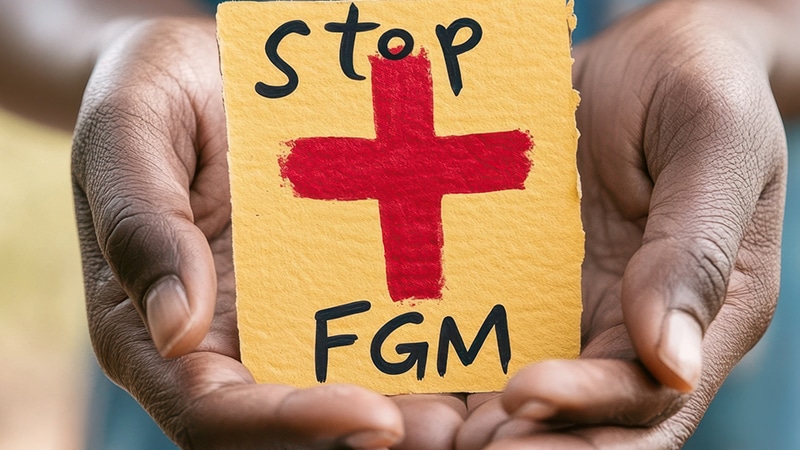
Female Genital Mutilation and Sustainable Development Goals: An Italian Healthcare Perspective

Female Genital Mutilation (FGM) affects an estimated 230 million women worldwide. This practice involves injury to the external genital organs for nonmedical reasons and is recognized as a violation of human rights. The World Health Organization (WHO) identifies FGM as a cultural rite of passage, a form of controlling female sexuality, and an expression of cultural identity.
Classification of FGM Types
- Type 1: Excision of the external part of the clitoris.
- Type 2: Removal of external clitoral tissue and labia minora, with or without labia majora removal.
- Type 3 (Infibulation): Narrowing of the vaginal opening by cutting and suturing labia minora and majora, leaving a small opening for menstrual blood.
FGM in Italy: Legal Framework and Prevalence
At the 100th National Congress of the Italian Society of Gynecology and Obstetrics (SIGO) held in Bari, Italy (December 14–17, 2025), a dedicated session addressed the diagnosis, treatment, and care of women affected by FGM in Italy. It is estimated that over 88,000 women in Italy have undergone FGM, with approximately 16,000 girls at risk during visits to their countries of origin.
- FGM is prohibited in Italy under Law No. 7 of 2006, including acts performed abroad by Italian citizens or residents.
- Women fearing FGM or having undergone it are entitled to refugee status under Directive 2011/95/EU, implemented by Legislative Decree No. 25 of 2008.
Active Screening and Multidisciplinary Care
In alignment with the Sustainable Development Goals (SDGs), particularly SDG 3 (Good Health and Well-being) and SDG 5 (Gender Equality), Italy has updated guidelines to promote active screening for FGM among at-risk women during their first health assessment.
Screening Recommendations
- Offer screening to women born in countries where FGM is prevalent, those with mothers from such countries, or belonging to practicing communities.
- Direct inquiry by clinicians regarding FGM status.
- Enable multidisciplinary counseling, dedicated programs, follow-up, and psychological support.
- Provide deinfibulation for type 3 FGM cases.
- Implement preventive actions to reduce continuation of FGM within families.
- Mandatory training on FGM for healthcare professionals in perinatal care.
Dr. Lorenza Driul emphasized the importance of pregnancy as an opportunity for identification and support, highlighting that many women do not report FGM unless explicitly asked.
Access to Care and Points of Contact
Women affected by FGM engage with healthcare services beyond pregnancy, contributing to SDG 10 (Reduced Inequalities) by ensuring equitable access to care.
- Emergency departments refer women presenting with complications.
- Other contact points include cervical cancer screening, contraceptive counseling, and termination of pregnancy services.
- Support from third-sector workers and shelters facilitates healthcare access.
- Medical staff at migrant hotspots, such as Lampedusa, record FGM status during examinations, with prevalence rates between 60% and 70% among women assessed.
Clinical Pathways and Long-Term Management
FGM leads to various long-term health consequences, necessitating comprehensive clinical pathways consistent with SDG 3.
Health Consequences
- Dyspareunia (painful intercourse)
- Recurrent genitourinary infections
- Incontinence and fistulas
- Urinary dysfunction progressing to renal failure
- Scar tissue, keloids, and adhesions narrowing the vaginal introitus
Treatment and Support Services
- Treatment of complications and referral for reconstructive surgery.
- Pre- and post-operative counseling and education on personal hygiene.
- Psychological support during pregnancy and childbirth to address trauma.
- Deinfibulation recommended around the 20th week of pregnancy for type 3 FGM to restore anatomy and facilitate delivery.
- Prohibition of reinfibulation post-birth, with cultural mediators playing a key role in patient education.
Reconstructive Surgery
- Aims to restore reproductive function, body image, sexual function, and quality of life.
- Procedures include deinfibulation, scar tissue removal, reshaping of labia minora and majora, and partial restoration of clitoral sensitivity.
- Increasing awareness among couples from high-prevalence countries supports demand for these services.
- Specialized expertise and multidisciplinary training are essential; Pisa University Hospital established a Regional Referral Centre in 2024.
Alignment with Sustainable Development Goals
The Italian healthcare approach to FGM aligns with multiple SDGs:
- SDG 3 (Good Health and Well-being): Ensuring healthy lives through prevention, treatment, and psychological support for FGM-affected women.
- SDG 5 (Gender Equality): Combating harmful practices that violate women’s rights and bodily integrity.
- SDG 10 (Reduced Inequalities): Providing equitable healthcare access to migrant and at-risk populations.
- SDG 16 (Peace, Justice, and Strong Institutions): Enforcing laws prohibiting FGM and protecting vulnerable women.
Through active screening, multidisciplinary care, legal enforcement, and community engagement, Italy contributes to global efforts to eradicate FGM and promote the health and rights of women and girls.
Source: Translated and adapted from Univadis Italy, part of the Medscape Professional Network.
1. Sustainable Development Goals (SDGs) Addressed or Connected
- SDG 3: Good Health and Well-being
- Focus on ensuring healthy lives and promoting well-being for all ages, directly related to the health impacts and care of women who have undergone FGM.
- SDG 5: Gender Equality
- Addresses elimination of harmful practices such as female genital mutilation, promoting gender equality and empowerment of all women and girls.
- SDG 10: Reduced Inequalities
- Focuses on reducing inequalities within and among countries, relevant to protecting migrant women and girls at risk of FGM and ensuring their access to healthcare and legal protection.
- SDG 16: Peace, Justice and Strong Institutions
- Includes access to justice and protection from violence, relevant to laws prohibiting FGM and refugee protections.
2. Specific Targets Under Those SDGs
- SDG 3: Good Health and Well-being
- Target 3.7: Ensure universal access to sexual and reproductive healthcare services, including family planning, information and education.
- Target 3.8: Achieve universal health coverage, including access to quality essential healthcare services.
- SDG 5: Gender Equality
- Target 5.3: Eliminate all harmful practices, such as child, early and forced marriage and female genital mutilation.
- Target 5.6: Ensure universal access to sexual and reproductive health and reproductive rights.
- SDG 10: Reduced Inequalities
- Target 10.2: Empower and promote social, economic and political inclusion of all, irrespective of age, sex, disability, race, ethnicity, origin, religion or economic or other status.
- SDG 16: Peace, Justice and Strong Institutions
- Target 16.3: Promote the rule of law at the national and international levels and ensure equal access to justice for all.
- Target 16.7: Ensure responsive, inclusive, participatory and representative decision-making at all levels.
3. Indicators Mentioned or Implied to Measure Progress
- Prevalence of Female Genital Mutilation
- Number or percentage of women and girls who have undergone FGM, as estimated globally (230 million) and nationally (over 88,000 in Italy).
- Access to Healthcare Services
- Proportion of at-risk women screened for FGM during health assessments.
- Availability and uptake of multidisciplinary counselling and psychological support services.
- Number of healthcare professionals trained in FGM care and prevention.
- Legal and Protective Measures
- Implementation and enforcement of laws prohibiting FGM (e.g., Law No. 7 of 2006 in Italy).
- Number of women granted refugee status due to risk of FGM under relevant directives.
- Clinical Outcomes
- Number of women receiving surgical interventions such as deinfibulation and reconstructive surgery.
- Incidence of FGM-related health complications documented and treated.
4. Table of SDGs, Targets and Indicators
| SDGs | Targets | Indicators |
|---|---|---|
| SDG 3: Good Health and Well-being |
|
|
| SDG 5: Gender Equality |
|
|
| SDG 10: Reduced Inequalities |
|
|
| SDG 16: Peace, Justice and Strong Institutions |
|
|
Source: medscape.com
What is Your Reaction?
 Like
0
Like
0
 Dislike
0
Dislike
0
 Love
0
Love
0
 Funny
0
Funny
0
 Angry
0
Angry
0
 Sad
0
Sad
0
 Wow
0
Wow
0