Continuous glucose monitoring reduces risk of large-for-gestational-age births in gestational diabetes – Contemporary OB/GYN
Report on Continuous Glucose Monitoring in Gestational Diabetes and Its Alignment with Sustainable Development Goals (SDGs)
Introduction
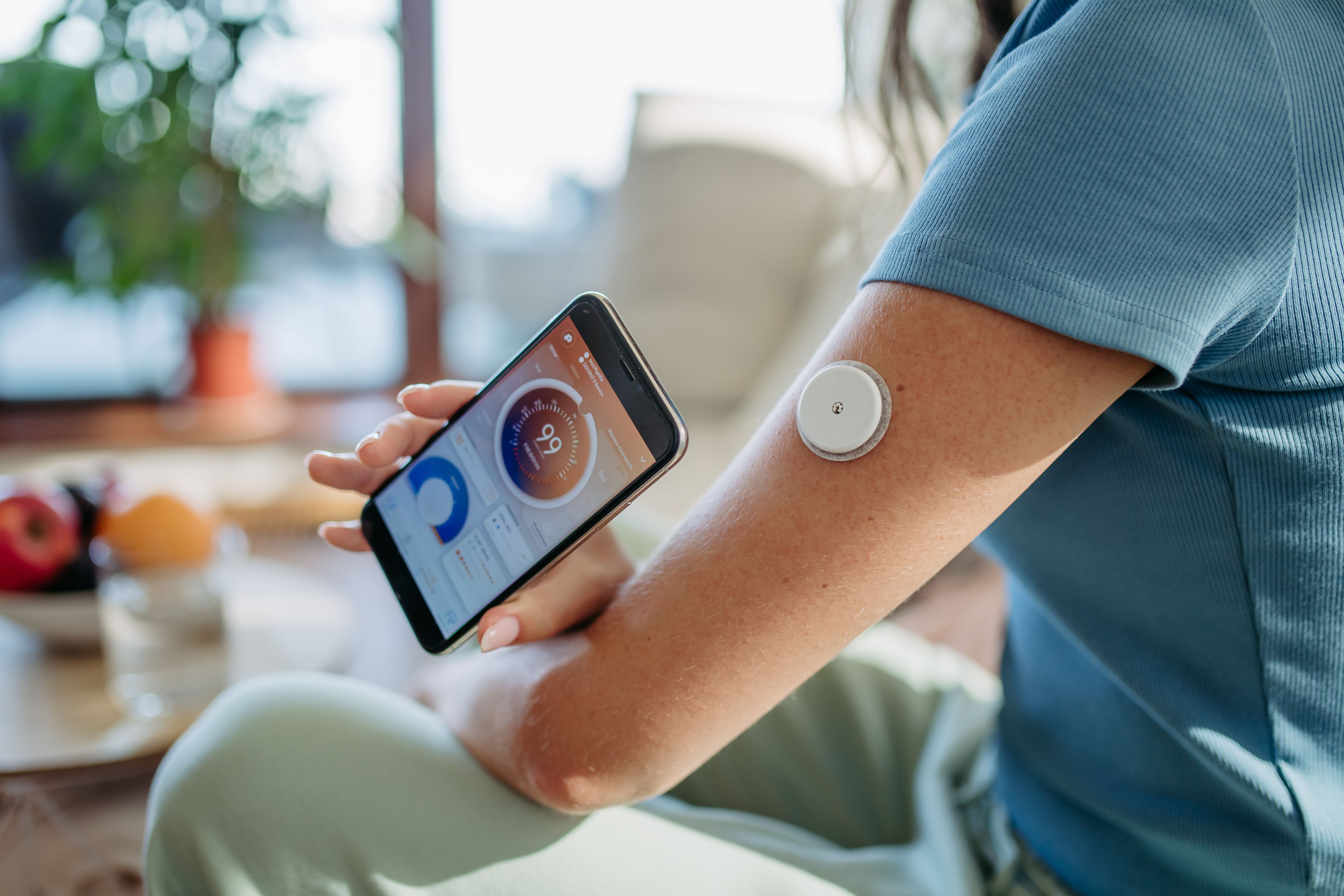
An international multicenter randomized controlled trial has demonstrated that real-time continuous glucose monitoring (rt-CGM) significantly reduces the incidence of large-for-gestational-age (LGA) births among women with gestational diabetes compared to conventional self-monitoring of blood glucose (SMBG). Published in The Lancet Diabetes & Endocrinology, these findings contribute to advancing maternal and child health, directly supporting SDG 3: Good Health and Well-being.
Study Design and Population
The open-label, parallel-group trial enrolled 375 women aged 18 to 55 years with singleton pregnancies diagnosed with gestational diabetes based on International Association of the Diabetes and Pregnancy Study Groups criteria. Recruitment occurred across four university hospitals in Austria, Germany, and Switzerland.
- Participants were randomized into two groups: rt-CGM (n=190) and SMBG (n=185).
- Randomization accounted for gestational age at entry, prior gestational diabetes, and preconception body mass index.
- SMBG participants used blinded CGM for 10 days post-randomization and again at 36–38 weeks gestation; rt-CGM participants used open rt-CGM until delivery.
- All received standard gestational diabetes management per clinical guidelines.
The mean gestational age at diagnosis was 25.2 weeks, with randomization occurring at 28.6 weeks on average.
Primary Outcome: Reduction in Large-for-Gestational-Age Births
The trial revealed a significant reduction in LGA births in the rt-CGM group (4%) compared to the SMBG group (10%) (OR 0.32; 95% CI, 0.10–0.87; P = .014). This outcome aligns with SDG 3 by improving neonatal health and reducing birth complications associated with excessive fetal growth.
- Average birthweight percentiles were lower in the rt-CGM group, indicating better glycemic control.
- Gestational diabetes is linked to risks of excessive fetal growth, which can cause delivery complications and long-term metabolic disorders.
- Early diagnosis and consistent treatment, facilitated by rt-CGM, can mitigate these risks.
Additional Neonatal Outcomes and Safety
- Small-for-gestational-age (SGA) births were higher than expected in both groups: 19% in rt-CGM and 13% in SMBG (OR 1.59; 95% CI, 0.86–2.99; P = .11), highlighting the need to refine glycemic targets to avoid insufficient fetal growth.
- Serious adverse events occurred at similar rates: 12% in rt-CGM and 15% in SMBG (OR 0.77; 95% CI, 0.42–1.40; P = .39), indicating no additional safety concerns with rt-CGM use.
Implications for Pregnancy Care and Sustainable Development Goals
Continuous glucose monitoring enables precise glycemic management, empowering pregnant women to adjust lifestyle and insulin therapy effectively. This advancement supports multiple SDGs:
- SDG 3 (Good Health and Well-being): Enhances maternal and neonatal health outcomes by reducing LGA births and associated complications.
- SDG 9 (Industry, Innovation, and Infrastructure): Demonstrates the integration of digital health technologies in clinical care, promoting innovation.
- SDG 10 (Reduced Inequalities): Potentially improves access to advanced monitoring for vulnerable populations with gestational diabetes.
Experts emphasize the necessity to define optimal blood glucose targets to balance risks of both fetal overgrowth and undergrowth, ensuring equitable and effective care.
Conclusion
The multicenter randomized trial confirms that rt-CGM reduces LGA births without increasing adverse events among women with gestational diabetes, contributing to improved pregnancy outcomes and supporting SDG 3. The observed elevated rates of SGA births warrant further research to optimize glycemic targets, promoting comprehensive maternal and child health.
References
- Linder T, Dressler-Steinbach I, Wegener S, et al; GRACE study collaborative group. Glycaemic control and pregnancy outcomes with real-time continuous glucose monitoring in gestational diabetes (GRACE): an open-label, multicentre, multinational, randomised controlled trial. The Lancet Diabetes Endocrinol. Published online November 24, 2025. doi:10.1016/S2213-8587(25)00288-8
- Gestational diabetes: continuous glucose monitoring reduces risk of excessive birth weight. News release. Medical University of Vienna. December 4, 2025. Accessed December 4, 2025. https://www.eurekalert.org/news-releases/1108487
1. Sustainable Development Goals (SDGs) Addressed
- SDG 3: Good Health and Well-being
- The article focuses on improving maternal and neonatal health outcomes through better management of gestational diabetes.
- It addresses reducing complications related to pregnancy and childbirth by using real-time continuous glucose monitoring (rt-CGM).
- SDG 9: Industry, Innovation and Infrastructure
- The use of digital health technology (rt-CGM) represents innovation in healthcare delivery.
- It highlights the advancement of medical devices and digital monitoring systems to improve health outcomes.
2. Specific Targets Under the Identified SDGs
- SDG 3: Good Health and Well-being
- Target 3.1: Reduce the global maternal mortality ratio.
- Target 3.2: End preventable deaths of newborns and children under 5 years of age.
- Target 3.4: Reduce premature mortality from non-communicable diseases through prevention and treatment.
- Target 3.8: Achieve universal health coverage, including access to quality essential health-care services.
- SDG 9: Industry, Innovation and Infrastructure
- Target 9.5: Enhance scientific research, upgrade technological capabilities of health sectors.
3. Indicators Mentioned or Implied in the Article
- For SDG 3 Targets:
- Indicator 3.1.2: Proportion of births attended by skilled health personnel (implied by improved pregnancy care).
- Indicator 3.2.1: Neonatal mortality rate (implied by focus on reducing large-for-gestational-age and small-for-gestational-age births).
- Indicator 3.4.1: Mortality rate attributed to cardiovascular disease, cancer, diabetes or chronic respiratory disease (related to diabetes management).
- Indicator 3.8.1: Coverage of essential health services (implied by access to rt-CGM technology and standard gestational diabetes management).
- For SDG 9 Targets:
- Indicator 9.5.1: Research and development expenditure as a proportion of GDP (implied by the multicenter randomized controlled trial and use of innovative technology).
- Indicator 9.5.2: Number of researchers per million inhabitants (implied by the international research collaboration).
- Additional Clinical Indicators from the Article:
- Proportion of large-for-gestational-age (LGA) births.
- Proportion of small-for-gestational-age (SGA) births.
- Incidence of serious adverse events during pregnancy.
- Average birthweight percentiles.
4. Table of SDGs, Targets, and Indicators
| SDGs | Targets | Indicators |
|---|---|---|
| SDG 3: Good Health and Well-being |
|
|
| SDG 9: Industry, Innovation and Infrastructure |
|
|
Source: contemporaryobgyn.net
What is Your Reaction?
 Like
0
Like
0
 Dislike
0
Dislike
0
 Love
0
Love
0
 Funny
0
Funny
0
 Angry
0
Angry
0
 Sad
0
Sad
0
 Wow
0
Wow
0