COP30 places agriculture at the center of climate action – CIMMYT
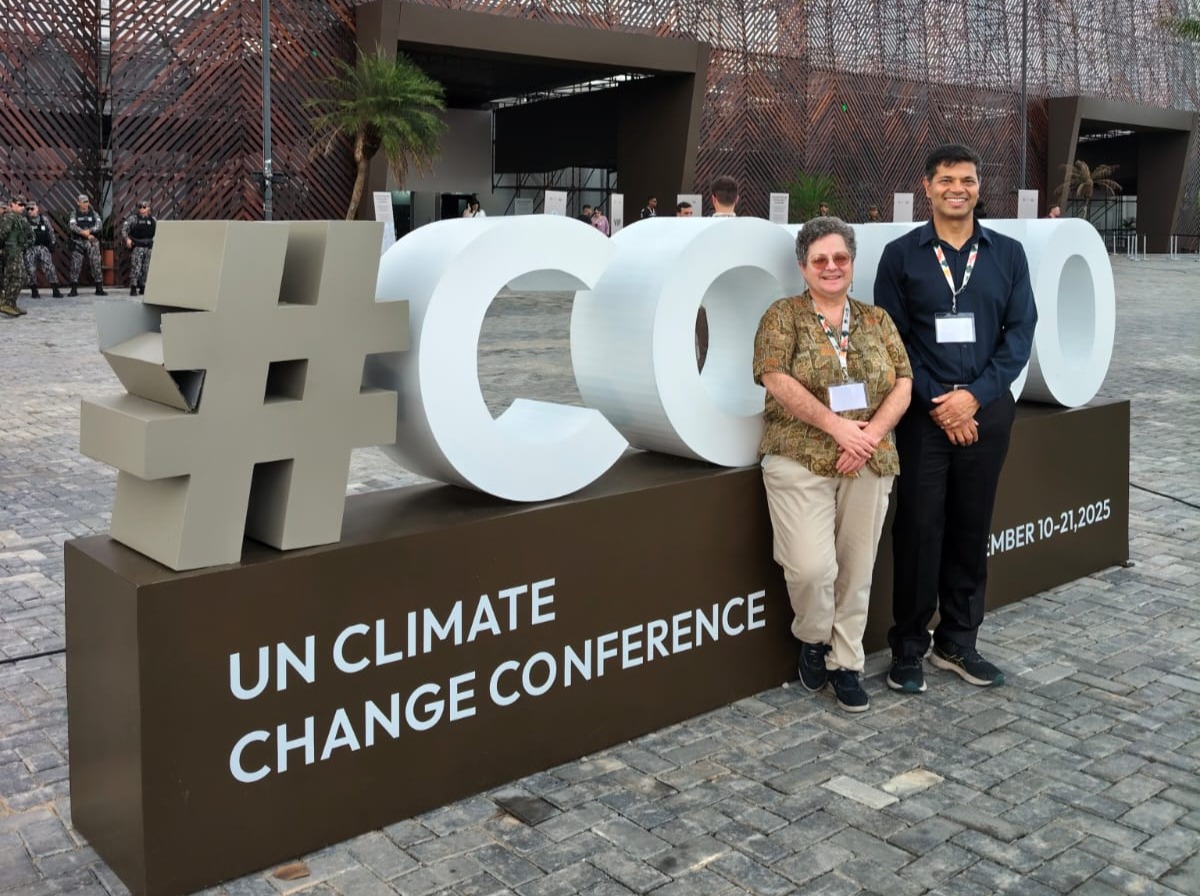
Report on Agrifood Systems Integration at COP30 and Alignment with Sustainable Development Goals
The Belém Declaration: A Framework for Integrated Action
The COP30 climate conference established a new precedent by centralizing agrifood systems and the participation of rural and Indigenous communities in global climate negotiations. This strategic shift acknowledges the critical role of agriculture in addressing climate change. The Belém Declaration underscored the interdependence of food security, land management, and climate resilience, advocating for solutions that align with multiple Sustainable Development Goals (SDGs).
- SDG 2 (Zero Hunger): The focus on food security directly addresses the goal of ending hunger and promoting sustainable agriculture.
- SDG 13 (Climate Action): Integrating agriculture into climate negotiations is a decisive step toward comprehensive climate action.
- SDG 15 (Life on Land): The emphasis on sustainable land management highlights the connection between agriculture and terrestrial ecosystems.
The conference, held in the Brazilian Amazon, reinforced the consensus that transforming food production systems is fundamental to achieving climate resilience and fulfilling the objectives of the Paris Agreement.
CIMMYT’s Strategic Contributions to Climate Action and the SDGs
Advancing SDG 13: Climate Action through Agricultural Innovation
CIMMYT presented evidence-based solutions at high-level forums, including the CGIAR–FAO Agriculture and Food Pavilion and the Gates Foundation’s Innovation Showcase. The organization’s participation was framed by the urgent need to integrate food systems into Nationally Determined Contributions (NDCs) by 2027, a key commitment emerging from the conference. This aligns directly with SDG 13 by promoting strategies to enhance climate resilience and adaptive capacity in the agricultural sector.
Supporting SDG 2: Zero Hunger via Resilient Food Systems
CIMMYT’s work focuses on strengthening the climate resilience of vulnerable territories through applied science and territorial collaboration. By sharing innovations in agricultural adaptation, digital advisory services, and soil health, CIMMYT contributes to building sustainable food production systems capable of ensuring food security in the face of climate variability, a core target of SDG 2.
Key Innovations for Sustainable Agricultural Transformation
Technology and Data-Driven Solutions for Adaptation
CIMMYT highlighted its development of farmer-centered innovation platforms and locally-led approaches that empower food-producing communities. These solutions translate complex scientific information into actionable decisions, thereby strengthening adaptive capacity and supporting livelihoods.
- Agrotutor: A digital tool providing practical agroclimatic advice.
- Community-Based Collaborative Data Systems: Platforms that facilitate local data sharing and decision-making.
- Agroclimatic Analytics: Tools that help farmers manage climate variability.
Enhancing Soil Health and Resource Efficiency for SDG 12 and SDG 15
The transition toward low-emission agricultural models was a central theme. CIMMYT presented advances in practices that reduce greenhouse gas emissions while maintaining productivity, contributing to SDG 12 (Responsible Consumption and Production) and SDG 15 (Life on Land).
- Efficient Nitrogen Management: Reduces nitrous oxide emissions and input costs.
- Conservation Agriculture: Improves soil health and carbon sequestration.
- Regenerative Practices: Enhance the sustainability and resilience of agroecosystems.
Genetic Innovation: The CropSustaiN Initiative
The CropSustaiN initiative was presented as a significant innovation for sustainable nitrogen management. By incorporating Biological Nitrification Inhibition (BNI), a natural plant process, this research aims to develop wheat varieties that require fewer chemical inputs. This contributes to environmental protection (SDG 13, SDG 15) and enhances farmer profitability (SDG 1, No Poverty).
Safeguarding Biodiversity for Future Resilience
The report emphasized the role of seed and germplasm banks as essential infrastructure for climate resilience and biodiversity conservation, aligning with SDG 2.5 (maintain the genetic diversity of seeds). CIMMYT’s Germplasm Bank, which supports over eighty countries, was recognized as a critical resource for global food security. The distribution of genetic materials originating from CIMMYT—covering nearly 70% of wheat and over 50% of maize grown globally—demonstrates a tangible contribution to resilient agricultural systems.
Strengthening Global Partnerships for the Goals (SDG 17)
Collaborative Efforts for Systemic Change
In line with SDG 17 (Partnerships for the Goals), CIMMYT engaged in strategic meetings with key international and regional institutions to reinforce a shared vision for agricultural transformation. These collaborations are founded on the principle that science must serve food producers through genuine collaboration and community participation.
- IICA (Inter-American Institute for Cooperation on Agriculture)
- EMBRAPA (Brazilian Agricultural Research Corporation)
- Coalition of Action for Soil Health
- Food Tank
- CGIAR partners
Conclusion: A Commitment to Action-Oriented Science
Key Outcomes and Future Directives from COP30
COP30 resulted in several key commitments to accelerate climate action, with direct implications for agrifood systems:
- Tripling adaptation finance before 2035.
- Launching the Global Implementation Accelerator and the Belém Mission to maintain the 1.5°C target.
- Strengthening the Global Goal on Adaptation.
- Mandating the explicit inclusion of food systems in NDCs before 2027.
CIMMYT’s Role in a Climate-Smart Future
The outcomes of COP30 confirm that agriculture is indispensable to any viable climate solution. CIMMYT’s work is aligned with this global consensus, focusing on the delivery of accessible scientific innovations that strengthen resilience, reduce emissions, and support the achievement of the Sustainable Development Goals. The organization continues to work with global partners to build agrifood systems capable of ensuring sustainability on a changing planet.
Analysis of Sustainable Development Goals in the Article
1. Which SDGs are addressed or connected to the issues highlighted in the article?
- SDG 2: Zero Hunger: The article’s central theme is the transformation of agrifood systems to ensure food security in the face of climate change. It discusses sustainable food production, agricultural adaptation, and the importance of genetic diversity in crops like wheat and maize, which are fundamental to ending hunger.
- SDG 13: Climate Action: The entire article is framed around COP30, a climate conference. It explicitly discusses integrating agriculture into climate action, reducing emissions from farming, strengthening climate resilience, adapting to climate variability, and including food systems in Nationally Determined Contributions (NDCs).
- SDG 15: Life on Land: The article emphasizes sustainable land management, soil health as a fundamental axis for storing carbon and sustaining resilience, and the conservation of biodiversity through germplasm and seed banks.
- SDG 17: Partnerships for the Goals: The text repeatedly highlights the importance of collaboration. It mentions partnerships between international organizations (CIMMYT, CGIAR, FAO), foundations (Gates Foundation), national institutions (IICA, EMBRAPA), and local communities to advance evidence-based solutions and collective action.
- SDG 1: No Poverty: By focusing on strengthening the adaptive capacity of rural communities and small-scale farmers in vulnerable territories, the article addresses building the resilience of the poor against climate shocks, which is a key aspect of poverty reduction.
- SDG 9: Industry, Innovation, and Infrastructure: The article showcases the role of scientific research and innovation in creating sustainable solutions. It presents specific technological innovations like Agrotutor (digital advisory services), CropSustaiN, and biological nitrification inhibition (BNI) to enhance agricultural resilience and efficiency.
- SDG 10: Reduced Inequalities: The article advocates for a “socially just transition” and emphasizes the “direct participation of rural and Indigenous communities” in negotiations and decision-making processes, promoting their inclusion in the global response to climate change.
2. What specific targets under those SDGs can be identified based on the article’s content?
-
Target 2.4: By 2030, ensure sustainable food production systems and implement resilient agricultural practices that increase productivity and production, that help maintain ecosystems, that strengthen capacity for adaptation to climate change…
- The article directly supports this by discussing “conservation agriculture, and regenerative practices,” “efficient nitrogen management,” and developing wheat varieties that “thrive with fewer inputs.”
-
Target 2.5: By 2020, maintain the genetic diversity of seeds, cultivated plants and farmed and domesticated animals and their related wild species…
- This is addressed through the discussion of CIMMYT’s Germplasm Bank, which safeguards and distributes seeds to over eighty countries, and the promotion of community seed banks and in situ management to conserve biodiversity.
-
Target 13.1: Strengthen resilience and adaptive capacity to climate-related hazards and natural disasters in all countries.
- The article focuses on strengthening “climate resilience from the ground up” through farmer-centered innovation, digital tools like Agrotutor, and developing climate-resilient crop varieties.
-
Target 13.2: Integrate climate change measures into national policies, strategies and planning.
- This is explicitly mentioned with the commitment that “before 2027, food systems must become an explicit part of Nationally Determined Contributions (NDCs).”
-
Target 15.3: By 2030, combat desertification, restore degraded land and soil…
- The focus on “soil health” as a fundamental axis where “nutrients are captured, carbon is stored, and agricultural resilience is sustained” directly relates to restoring land and soil quality.
-
Target 17.16: Enhance the global partnership for sustainable development, complemented by multi-stakeholder partnerships…
- The article exemplifies this through CIMMYT’s collaborations with CGIAR, FAO, IICA, EMBRAPA, and other global partners to achieve a “sustainable transformation of agrifood systems.”
3. Are there any indicators mentioned or implied in the article that can be used to measure progress towards the identified targets?
While the article does not cite official SDG indicator codes, it implies several metrics for measuring progress:
- Inclusion of agrifood systems in NDCs: A direct and measurable indicator for Target 13.2 is the number or percentage of countries that have explicitly integrated food systems into their Nationally Determined Contributions by the 2027 deadline mentioned.
- Adoption of sustainable agricultural practices: Progress towards Target 2.4 can be measured by the rate of adoption of practices mentioned in the article, such as conservation agriculture, efficient nitrogen management, and regenerative farming techniques among farming communities.
- Development and distribution of resilient seeds: An indicator for Target 2.5 is the number of climate-resilient genetic materials developed, safeguarded, and distributed through germplasm banks. The article notes that CIMMYT’s bank contributes to “more than eighty countries.”
- Use of scientific innovations by farmers: The impact of innovations mentioned for Target 9.5 and 13.1 can be measured by the number of farmers or communities using tools like Agrotutor or planting new crop varieties with traits like biological nitrification inhibition (BNI).
- Improvement in soil health metrics: For Target 15.3, progress can be tracked through scientific measurements of soil health, such as levels of soil organic carbon, nutrient retention, and reduced nitrogen loss.
4. Table of SDGs, Targets, and Indicators
| SDGs | Targets | Indicators (as implied in the article) |
|---|---|---|
| SDG 2: Zero Hunger | 2.4: Ensure sustainable food production systems and resilient agricultural practices. 2.5: Maintain genetic diversity of seeds. |
– Adoption rate of conservation agriculture and regenerative practices. – Number of genetic materials distributed from germplasm banks. |
| SDG 13: Climate Action | 13.1: Strengthen resilience and adaptive capacity. 13.2: Integrate climate change measures into national policies. |
– Use of digital advisory tools (e.g., Agrotutor) by farmers. – Number of countries including food systems in their NDCs by 2027. |
| SDG 15: Life on Land | 15.3: Combat desertification, restore degraded land and soil. | – Measured improvements in soil health (e.g., carbon storage, nutrient capture). |
| SDG 17: Partnerships for the Goals | 17.16: Enhance the global partnership for sustainable development. | – Number and scope of collaborative projects between institutions like CIMMYT, IICA, and EMBRAPA. |
| SDG 9: Industry, Innovation, and Infrastructure | 9.5: Enhance scientific research and upgrade technological capabilities. | – Development and deployment of agricultural innovations like CropSustaiN and BNI-enabled wheat. |
Source: cimmyt.org
What is Your Reaction?
 Like
0
Like
0
 Dislike
0
Dislike
0
 Love
0
Love
0
 Funny
0
Funny
0
 Angry
0
Angry
0
 Sad
0
Sad
0
 Wow
0
Wow
0