

























































Want to know what global energy consumption will look like in 2026? – Economist Intelligence Unit

Global Energy Consumption Outlook for 2026
Overview
According to the Economist Intelligence Unit’s (EIU) Viewpoint AI search and summarisation, global energy consumption is projected to grow modestly by 1.2% in 2026. This represents the weakest expansion since 2022. The growth will be primarily driven by developing economies across Asia, Latin America, the Middle East, and Africa, while developed countries are expected to experience stagnant or declining energy demand. China will remain the largest energy consumer globally, accounting for approximately 25% of total consumption.
Impact of Geopolitical Factors and Energy Security
Geopolitical tensions, notably Russia’s invasion of Ukraine, have significantly disrupted traditional energy flows. This has compelled countries to reassess and diversify their energy strategies, accelerating the transition towards alternative energy sources and more efficient consumption patterns. This shift aligns with the Sustainable Development Goals (SDGs), particularly:
- SDG 7: Affordable and Clean Energy
- SDG 13: Climate Action
Key Energy Trends in 2026
- Peak Coal Consumption: 2026 is expected to mark the global peak of coal consumption, after which demand will enter a prolonged decline, supporting SDG 13 by reducing carbon emissions.
- Carbon Dioxide Emissions: Fossil fuel-related CO2 emissions will continue to rise marginally by 0.4%, indicating the need for accelerated climate action.
- Natural Gas Consumption: Growth of 2-3% annually, driven by demand in China and South Asia, offsetting weak growth in Europe, the US, and Japan.
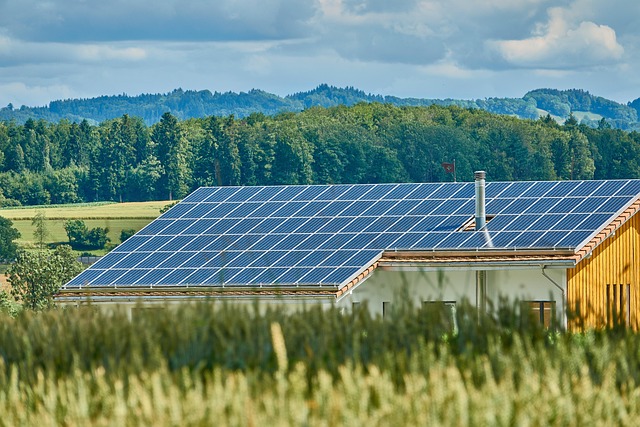
- Renewable Energy Expansion: Solar and wind energy capacity will continue to expand, reflecting the global energy transition and supporting SDG 7 and SDG 13.
Future Outlook and Sustainable Development Goals
The energy sector is expected to undergo a gradual transformation with increased emphasis on:
- Renewable energy adoption
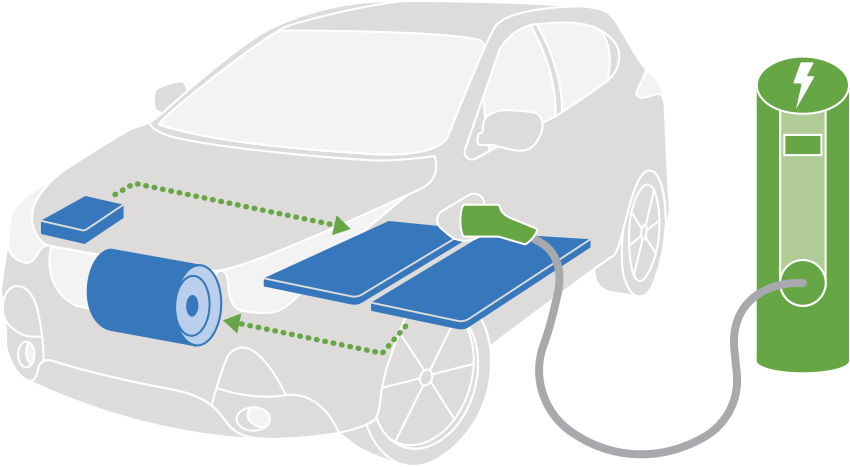
- Electric vehicle integration
- Carbon emission reduction strategies
The pace of this transition will vary by region depending on economic conditions, technological advancements, and policy frameworks. These developments contribute directly to achieving the following SDGs:
- SDG 7: Ensuring access to affordable, reliable, sustainable, and modern energy for all.
- SDG 9: Building resilient infrastructure and fostering innovation.
- SDG 11: Making cities inclusive, safe, resilient, and sustainable.
- SDG 13: Taking urgent action to combat climate change and its impacts.
Conclusion
The 2026 global energy consumption forecast underscores the critical role of sustainable energy policies and innovations in meeting the Sustainable Development Goals. The transition towards cleaner energy sources and improved energy efficiency remains essential to balancing economic growth with environmental stewardship.
Additional Resources
This report is based on EIU’s award-winning analysis available through Viewpoint AI search and summarisation. For further detailed insights and access to historical and forecast data series, users can consult the original EIU sources.
1. Sustainable Development Goals (SDGs) Addressed or Connected
- SDG 7: Affordable and Clean Energy
- The article discusses global energy consumption trends, the transition to renewable energy sources such as solar and wind, and energy security, all of which relate directly to SDG 7.
- SDG 13: Climate Action
- The focus on fossil fuel-related carbon dioxide emissions, the peak and decline of coal consumption, and strategies to reduce carbon emissions connect to SDG 13.
- SDG 9: Industry, Innovation and Infrastructure
- The article mentions technological advancements and the adoption of electric vehicles, which relate to innovation and sustainable infrastructure.
- SDG 11: Sustainable Cities and Communities
- Electric vehicle adoption and more efficient energy consumption patterns contribute to sustainable urban development.
2. Specific Targets Under Those SDGs Identified
- SDG 7 Targets
- Target 7.2: Increase substantially the share of renewable energy in the global energy mix.
- Target 7.3: Double the global rate of improvement in energy efficiency.
- Target 7.a: Enhance international cooperation to facilitate access to clean energy research and technology.
- SDG 13 Targets
- Target 13.2: Integrate climate change measures into national policies, strategies, and planning.
- Target 13.3: Improve education, awareness-raising and human and institutional capacity on climate change mitigation.
- SDG 9 Targets
- Target 9.4: Upgrade infrastructure and retrofit industries to make them sustainable, with increased resource-use efficiency and greater adoption of clean and environmentally sound technologies.
- SDG 11 Targets
- Target 11.2: Provide access to safe, affordable, accessible and sustainable transport systems for all.
3. Indicators Mentioned or Implied to Measure Progress
- Energy Consumption Growth Rate
- The article states a 1.2% growth in global energy consumption, which can be tracked as an indicator of energy demand trends (related to SDG 7.3).
- Share of Renewable Energy in Total Energy Capacity
- Expansion of solar and wind capacity reflects progress towards increasing renewable energy share (SDG 7.2).
- Carbon Dioxide Emissions from Fossil Fuels
- The article mentions a 0.4% rise in fossil fuel-related CO2 emissions, which is a key indicator for climate action (SDG 13.2).
- Coal Consumption Levels
- The peak and subsequent decline of coal consumption can be used as an indicator of fossil fuel phase-out progress (SDG 13.2).
- Natural Gas Consumption Growth
- Growth rates of natural gas consumption in different regions indicate shifts in energy mix and efficiency (SDG 7.2 and 7.3).
- Electric Vehicle Adoption Rates
- Although not quantified, the article implies increasing electric vehicle adoption, which can be tracked as an indicator under SDG 11.2 and SDG 9.4.
4. Table: SDGs, Targets and Indicators
| SDGs | Targets | Indicators |
|---|---|---|
| SDG 7: Affordable and Clean Energy |
|
|
| SDG 13: Climate Action |
|
|
| SDG 9: Industry, Innovation and Infrastructure |
|
|
| SDG 11: Sustainable Cities and Communities |
|
|
Source: eiu.com
What is Your Reaction?
 Like
0
Like
0
 Dislike
0
Dislike
0
 Love
0
Love
0
 Funny
0
Funny
0
 Angry
0
Angry
0
 Sad
0
Sad
0
 Wow
0
Wow
0