











































;Resize=620#)








EPA’s Narrowed Definition of WOTUS Threatens Water Quality – Waterkeeper
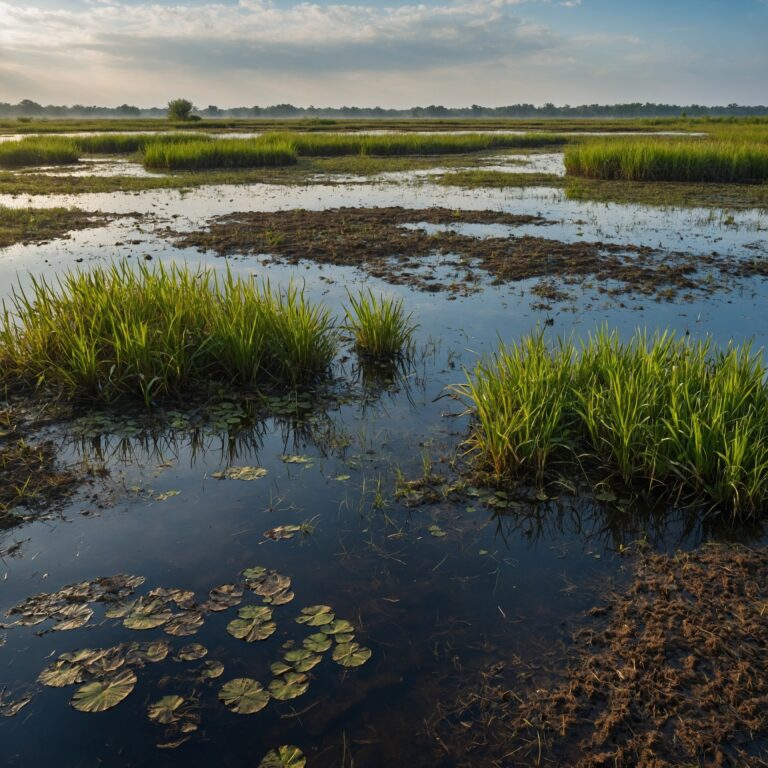
Report on U.S. Environmental Policy Revisions and Their Impact on Sustainable Development Goals
1.0 Introduction
A new draft rule announced by the U.S. Environmental Protection Agency (EPA) and the Department of the Army proposes to revise the definition of “waters of the United States” (WOTUS). This action, in conjunction with other recent regulatory rollbacks, poses a significant threat to the achievement of multiple Sustainable Development Goals (SDGs), particularly those related to environmental protection, public health, and social equity. This report analyzes the proposed changes and their direct implications for the 2030 Agenda for Sustainable Development.
2.0 Analysis of Regulatory Revisions
The proposed WOTUS rule narrows the scope of waterways protected under the Clean Water Act. This revision follows the 2023 Supreme Court decision in Sackett v. EPA, which had already curtailed federal protections for numerous water bodies. The current administration has initiated a series of additional deregulatory actions that collectively weaken environmental safeguards. These actions include:
- Revising wastewater regulations for coal-burning power plants.
- Rolling back coal ash management regulations.
- Reconsidering the Mercury and Air Toxics Standards.
- Withdrawing standards for water pollution from slaughterhouses.
- Weakening proposed PFAS drinking water standards.
- Closing EPA offices dedicated to environmental justice, which addresses disproportionate pollution in low-income, rural, and minority communities.
3.0 Primary Impact on SDG 6: Clean Water and Sanitation
The redefinition of WOTUS directly undermines the core targets of SDG 6, which aims to ensure the availability and sustainable management of water and sanitation for all. By removing federal oversight, the rule jeopardizes progress on several key targets:
- Target 6.1 (Safe and Affordable Drinking Water): Removing protections for streams and wetlands that feed into larger drinking water sources increases the risk of contamination, threatening public access to safe water.
- Target 6.3 (Improve Water Quality): The rule facilitates increased pollution from industrial and agricultural sources into previously protected waters, directly contradicting the goal of reducing pollution and minimizing the release of hazardous chemicals.
- Target 6.6 (Protect and Restore Water-Related Ecosystems): Thousands of wetlands, rivers, and lakes lose federal protection, accelerating the degradation of vital ecosystems that are critical for water filtration, biodiversity, and climate resilience.
4.0 Broader Implications for Interconnected SDGs
The cumulative effect of these environmental policy changes extends beyond SDG 6, impacting a wide range of interconnected development goals.
- SDG 3 (Good Health and Well-being): Weakened regulations on mercury, coal ash, and PFAS increase human exposure to toxic pollutants, posing direct risks to public health (Target 3.9).
- SDG 10 (Reduced Inequalities): The termination of environmental justice initiatives exacerbates inequalities, as pollution and environmental degradation disproportionately harm marginalized and vulnerable communities (Target 10.2).
- SDG 14 (Life Below Water) and SDG 15 (Life on Land): The loss of protection for wetlands and tributary streams directly harms freshwater and downstream marine ecosystems, threatening fisheries, aquatic life, and biodiversity (Targets 14.1, 15.1, 15.5).
- SDG 11 (Sustainable Cities and Communities): The degradation of wetlands, which provide natural flood control, reduces the resilience of communities to climate-related disasters (Target 11.5).
- SDG 16 (Peace, Justice and Strong Institutions): These actions represent a weakening of the institutional and legal frameworks designed to protect the environment and ensure public welfare, undermining the principle of strong and accountable institutions (Target 16.6).
5.0 Response from Civil Society
Civil society organizations, including Waterkeeper Alliance, have voiced strong opposition to the proposed rule and associated rollbacks. These groups highlight that the changes prioritize corporate interests over public health and environmental integrity, reversing five decades of progress. Advocacy efforts are focused on challenging these regulatory changes through legal action and public stakeholder processes to uphold federal safeguards that align with global sustainability commitments.
Analysis of Sustainable Development Goals in the Article
1. Which SDGs are addressed or connected to the issues highlighted in the article?
The article addresses several Sustainable Development Goals (SDGs) due to its focus on the rollback of clean water protections and the resulting environmental and social consequences. The following SDGs are most relevant:
- SDG 6: Clean Water and Sanitation: This is the most central SDG, as the article’s entire focus is on the threat to water quality in the United States due to the revised definition of “waters of the United States” (WOTUS) and the weakening of the Clean Water Act.
- SDG 3: Good Health and Well-being: The article connects water pollution directly to human health, stating the rollbacks have “real consequences for people’s health, safety, and daily lives” and mentioning threats from “highly toxic and dangerous pollutants” like PFAS and mercury.
- SDG 14: Life Below Water: By discussing threats to “rivers, streams, lakes,” “fisheries, and aquatic life,” the article addresses the health of freshwater ecosystems, which are intrinsically linked to the health of marine ecosystems downstream.
- SDG 15: Life on Land: The article explicitly mentions that the reinterpretation of WOTUS removes federal safeguards from “wetlands,” which are critical terrestrial and freshwater ecosystems.
- SDG 10: Reduced Inequalities: The article highlights the disproportionate impact of pollution on vulnerable populations by noting the “closure of EPA offices responsible for addressing disproportionate pollution in low-income and rural communities and communities of color.”
- SDG 16: Peace, Justice and Strong Institutions: The article critiques the actions of a key government institution, the Environmental Protection Agency (EPA), suggesting it is prioritizing “corporate interests” over its mandate to protect the environment. It also discusses the role of legal challenges and court decisions (Sackett v. EPA) in shaping environmental law.
2. What specific targets under those SDGs can be identified based on the article’s content?
Based on the issues discussed, several specific SDG targets can be identified:
- Target 6.3: By 2030, improve water quality by reducing pollution, eliminating dumping and minimizing release of hazardous chemicals and materials. The article directly addresses this by describing how the new EPA rule increases risks from pollution by narrowing the scope of protected waters and rolling back wastewater regulations for “coal-burning power plants” and “slaughterhouses.”
- Target 6.6: By 2020, protect and restore water-related ecosystems, including mountains, forests, wetlands, rivers, aquifers and lakes. The article’s main concern is that the new WOTUS definition “removes federal safeguards from many rivers, streams, lakes, wetlands, and other vital waterways,” directly threatening these ecosystems.
- Target 3.9: By 2030, substantially reduce the number of deaths and illnesses from hazardous chemicals and air, water and soil pollution and contamination. The discussion of weakening “PFAS drinking water standards,” reconsidering “Mercury and Air Toxics Standards,” and the general threat from “highly toxic and dangerous pollutants” aligns with this target.
- Target 14.1: By 2025, prevent and significantly reduce marine pollution of all kinds, in particular from land-based activities, including marine debris and nutrient pollution. The pollution from land-based sources like power plants and slaughterhouses, which the article states will be less regulated, flows through rivers and streams into marine environments.
- Target 15.1: By 2020, ensure the conservation, restoration and sustainable use of terrestrial and inland freshwater ecosystems and their services, in particular forests, wetlands, mountains and drylands. The threat to “wetlands” mentioned in the article is a direct connection to this target.
- Target 10.3: Ensure equal opportunity and reduce inequalities of outcome, including by eliminating discriminatory laws, policies and practices. The article implies a move away from this target by mentioning the “closure of EPA offices responsible for addressing disproportionate pollution in low-income and rural communities and communities of color.”
- Target 16.6: Develop effective, accountable and transparent institutions at all levels. The article critiques the EPA’s actions as a series of “rollbacks” that “prioritize corporate interests,” questioning the institution’s effectiveness and accountability in protecting public and environmental health.
3. Are there any indicators mentioned or implied in the article that can be used to measure progress towards the identified targets?
The article, being a news piece, does not provide quantitative data but implies several qualitative and policy-based indicators that can be used to measure progress (or lack thereof):
- Indicator for Target 6.3: The scope and stringency of national wastewater regulations. The article implies a negative trend by citing plans to “revise wastewater regulations for coal-burning power plants” and withdraw standards for “water pollution from slaughterhouses.”
- Indicator for Target 6.6: The legal scope of federally protected water bodies. The revision of the “waters of the United States” (WOTUS) definition to narrow the scope of protected waters is a direct, measurable indicator of a decline in the protection of water-related ecosystems.
- Indicator for Target 3.9: National standards for pollutants in drinking water. The article’s mention of plans to “weaken PFAS drinking water standards” points to a specific policy indicator where a higher allowable limit for contaminants would represent negative progress.
- Indicator for Target 10.3: The existence and funding of government bodies focused on environmental justice. The article provides a clear indicator of regression by stating the EPA “ordered the closure of EPA offices responsible for addressing disproportionate pollution in low-income and rural communities and communities of color.”
- Indicator for Target 16.6: The number and impact of environmental regulations that are enacted versus those that are rolled back. The article lists a series of deregulatory actions, which collectively serve as an indicator of the institution’s changing priorities and effectiveness.
SDGs, Targets, and Indicators Table
| SDGs | Targets | Indicators (Implied from the Article) |
|---|---|---|
| SDG 6: Clean Water and Sanitation | 6.3: Improve water quality by reducing pollution. 6.6: Protect and restore water-related ecosystems. |
The scope of the legal definition of “waters of the United States” (WOTUS). The stringency of wastewater regulations for industries like coal power plants and slaughterhouses. |
| SDG 3: Good Health and Well-being | 3.9: Substantially reduce illnesses from hazardous chemicals and pollution. | The legal limits and standards for pollutants such as PFAS and mercury in drinking water and the environment. |
| SDG 14: Life Below Water | 14.1: Reduce marine pollution from land-based activities. | The level of regulation on land-based pollution sources (e.g., coal ash, slaughterhouse discharge) that affect waterways leading to the ocean. |
| SDG 15: Life on Land | 15.1: Conserve and restore terrestrial and inland freshwater ecosystems. | The extent of federal protection afforded to ecosystems like wetlands under the Clean Water Act. |
| SDG 10: Reduced Inequalities | 10.3: Ensure equal opportunity and reduce inequalities of outcome. | The existence and operational status of government offices dedicated to environmental justice for vulnerable communities. |
| SDG 16: Peace, Justice and Strong Institutions | 16.6: Develop effective, accountable and transparent institutions. | The number of environmental protection regulations weakened or rolled back by government agencies like the EPA. |
Source: waterkeeper.org
What is Your Reaction?
 Like
0
Like
0
 Dislike
0
Dislike
0
 Love
0
Love
0
 Funny
0
Funny
0
 Angry
0
Angry
0
 Sad
0
Sad
0
 Wow
0
Wow
0