
















February 4, 2026: Hanoi among top 10 most polluted cities in the world – IQAir

Air Quality Report: Hanoi, Vietnam
Current Air Quality Status
As of February 4, 2026, at 2:00 AM PT, Hanoi, Vietnam is experiencing very poor air quality. The Air Quality Index (AQI) exceeds 180, categorizing the air as unhealthy. This level of pollution poses significant health risks, particularly to vulnerable groups such as children, the elderly, and individuals with pre-existing health conditions.
Health Implications and Safety Recommendations
- Increased risk of respiratory issues
- Worsening of heart problems
- Impaired lung function
To mitigate these risks, it is advised to:
- Limit outdoor activities
- Seal windows to reduce indoor pollution
- Wear masks when venturing outside
- Use air purifiers indoors
Air Quality Trends and Historical Data
While the current conditions are severe, the average PM2.5 concentration in Hanoi for 2024 was 45 µg/m³, corresponding to an AQI of 124, which is classified as unhealthy for sensitive groups. This level is nine times higher than the World Health Organization’s (WHO) annual guideline of 5 µg/m³.
Hanoi was ranked as the 5th most polluted major city as of the reported date.
Forecast and Factors Affecting Air Quality
Short-Term Air Quality Improvement
Improvement in air quality is largely dependent on weather conditions:
- Stronger winds can disperse pollutants
- Occasional rainfall helps reduce PM2.5 levels
However, winter weather patterns such as temperature inversions and stagnant air often trap pollutants near the ground, prolonging poor air quality.
Forecasts indicate potential relief as winds strengthen in the coming days, but seasonal trends suggest elevated pollution will persist through much of the winter.
Causes of Poor Air Quality
Multiple sources contribute to Hanoi’s air pollution:
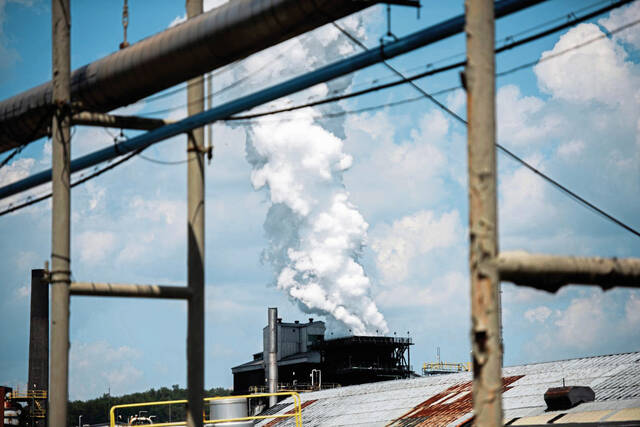
- Urban traffic emissions: Cars, motorbikes, and diesel vehicles emit nitrogen oxides and fine particulate matter.
- Construction dust and industrial emissions: These add significantly to pollution levels.
- Seasonal weather factors: Dry winter conditions and temperature inversions trap pollutants near the surface.
- Agricultural activities and open burning: Surrounding provinces contribute to smog episodes through local and regional pollution sources.
Protective Measures and Sustainable Development Goals (SDGs) Alignment
Individual Protection Strategies
- Limit exposure by reducing outdoor activities during high pollution periods.
- Use protective masks to filter harmful particles.
- Improve indoor air quality with air purifiers and sealed environments.
SDGs Emphasis
This report highlights critical connections to the United Nations Sustainable Development Goals (SDGs), including:
- SDG 3: Good Health and Well-being – Addressing air pollution reduces respiratory and cardiovascular diseases.
- SDG 11: Sustainable Cities and Communities – Improving urban air quality promotes healthier living environments.
- SDG 13: Climate Action – Mitigating pollution contributes to climate resilience and environmental sustainability.
- SDG 7: Affordable and Clean Energy – Transitioning to cleaner transportation and industrial processes reduces emissions.
Conclusion
Hanoi’s current air quality challenges require coordinated efforts aligned with the SDGs to ensure sustainable urban development and public health protection. Continuous monitoring, public awareness, and policy interventions are essential to improve air quality and achieve long-term environmental and health goals.
1. Which SDGs are addressed or connected to the issues highlighted in the article?
- SDG 3: Good Health and Well-being
- The article discusses the health risks associated with poor air quality, such as respiratory issues, heart problems, and impaired lung function, especially for vulnerable groups like children and the elderly.
- SDG 11: Sustainable Cities and Communities
- Urban air pollution in Hanoi is a major concern, linked to traffic emissions, industrial pollution, and construction dust, affecting the sustainability and livability of the city.
- SDG 13: Climate Action
- Seasonal weather patterns and temperature inversions influence air pollution levels, indicating the role of climate and environmental factors in air quality.
- SDG 12: Responsible Consumption and Production
- Industrial emissions and open burning practices contribute to pollution, highlighting the need for sustainable production and waste management.
2. What specific targets under those SDGs can be identified based on the article’s content?
- SDG 3: Good Health and Well-being
- Target 3.9: By 2030, substantially reduce the number of deaths and illnesses from hazardous chemicals and air, water, and soil pollution and contamination.
- SDG 11: Sustainable Cities and Communities
- Target 11.6: By 2030, reduce the adverse per capita environmental impact of cities, including by paying special attention to air quality and municipal and other waste management.
- SDG 13: Climate Action
- Target 13.1: Strengthen resilience and adaptive capacity to climate-related hazards and natural disasters in all countries.
- SDG 12: Responsible Consumption and Production
- Target 12.4: By 2020, achieve the environmentally sound management of chemicals and all wastes throughout their life cycle, in accordance with agreed international frameworks.
3. Are there any indicators mentioned or implied in the article that can be used to measure progress towards the identified targets?
- Air Quality Index (AQI)
- The article frequently references AQI values (e.g., above 180, 124), which measure air pollution levels and health risk categories.
- PM2.5 Concentration Levels
- PM2.5 concentration (e.g., 45 µg/m³ in 2024) is cited as a key pollutant metric, compared against WHO guidelines (5 µg/m³), indicating particulate matter pollution severity.
- Health Impact Metrics (Implied)
- References to increased risk of respiratory and heart problems imply monitoring health outcomes related to pollution exposure.
- Emission Source Monitoring (Implied)
- Identification of pollution sources such as traffic emissions, industrial emissions, and open burning suggests tracking emissions data as an indicator.
4. SDGs, Targets and Indicators Table
| SDGs | Targets | Indicators |
|---|---|---|
| SDG 3: Good Health and Well-being | Target 3.9: Reduce deaths and illnesses from air pollution and hazardous chemicals. |
|
| SDG 11: Sustainable Cities and Communities | Target 11.6: Reduce adverse environmental impact of cities, including air quality. |
|
| SDG 13: Climate Action | Target 13.1: Strengthen resilience and adaptive capacity to climate-related hazards. |
|
| SDG 12: Responsible Consumption and Production | Target 12.4: Environmentally sound management of chemicals and wastes. |
|
Source: iqair.com
What is Your Reaction?
 Like
0
Like
0
 Dislike
0
Dislike
0
 Love
0
Love
0
 Funny
0
Funny
0
 Angry
0
Angry
0
 Sad
0
Sad
0
 Wow
0
Wow
0