



























































Focusing on Soil Health Helps Colorado Farmers Adapt to Climate Changes
The piece explains how Colorado farmers are using soil-health practices to adapt to long-term drought, aligning with priorities in the state’s Water Plan. It highlights regenerative methods—composting, cover crops, and managed grazing—that boost soil structure, water retention, and nutrient cycling, alongside funding channels that lower adoption costs. Programs like Restore Colorado and Zero Foodprint connect restaurants and consumers to on-farm projects through a 1% fee model, while groups such as the Mancos Conservation District help landowners improve irrigation and riparian areas with technical support and grants. Overall, the article frames regenerative agriculture as both a climate-resilience strategy and a community-financed pathway to stronger yields and water efficiency.

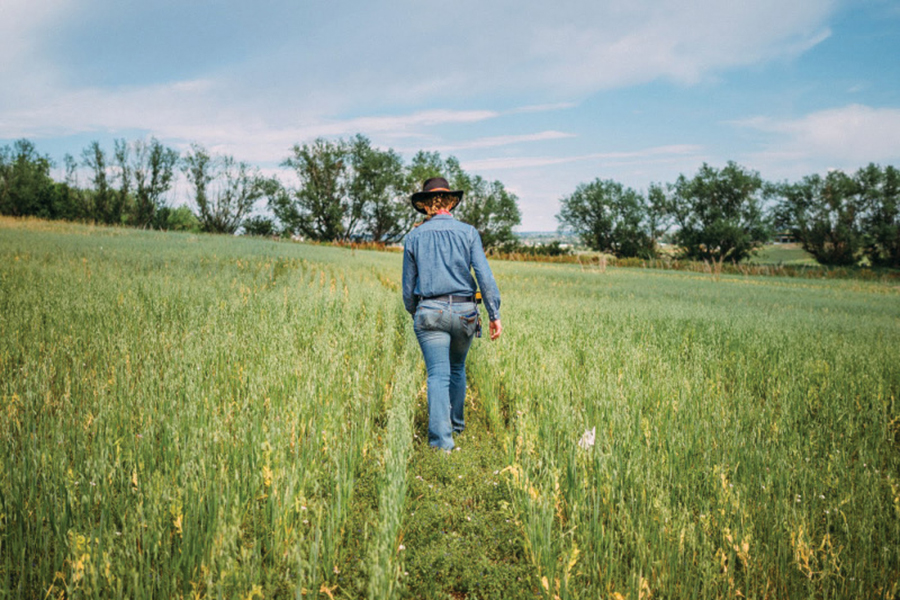
Focusing on Soil Health Helps Colorado Farmers Adapt to
Climate Changes
In partnership with: Colorado Department of Agriculture
Colorado is experiencing an extended drought with the increasingly dry conditions going back more than 1,000 years. According to the World Health Organization, more than 1 billion people live in water-stressed regions, and that number is expected to double by 2050 when Earth’s population is estimated to grow to 9 billion people.
The recently approved Colorado Water Plan specifically identifies robust agriculture as a top-level priority for the entire state, including established farms and ranches, crops, local food, ditch companies, acequias, and urban agriculture. According to the plan’s executive summary, if no new water projects or strategies are implemented, modeling for the driest periods shows Colorado communities could need 230,000 to 740,000 acre-feet of additional water per year by 2050. The upper-end need is about enough water to fill 370,000 Olympic-sized swimming pools each year. Water will be needed across the state.
Landowners in Colorado are addressing the climate crisis by partnering with soil health advocates to implement farmer and rancher led solutions for Colorado agriculture to thrive, even with less water.
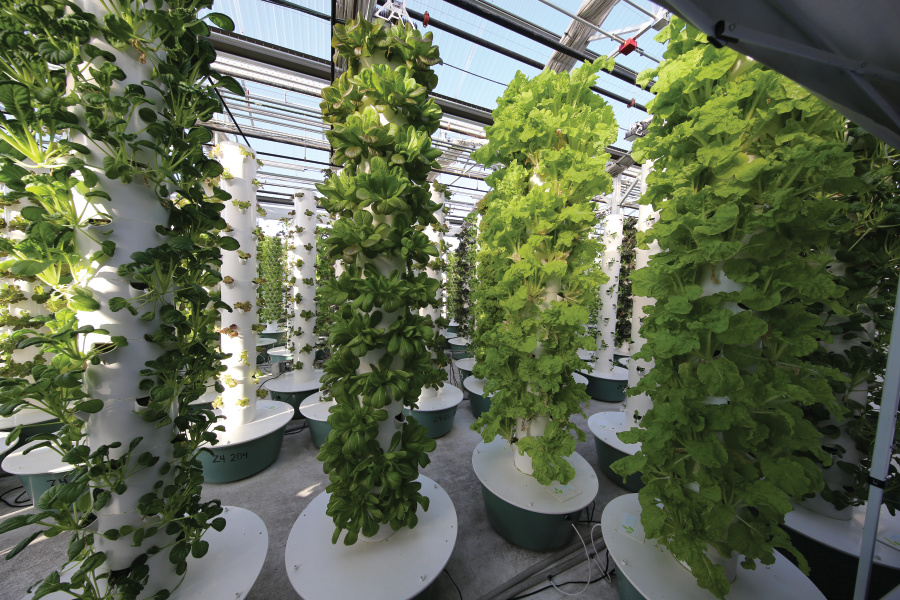
Regenerative Recovery Coalition assists landowners to incorporate regenerative agriculture methods throughout the state. Photo credit: Bill See
Bolstering Soil Health
Adopting climate resilient agriculture practices is one of the most effective ways farmers and ranchers can make soil and water improvements on their land.
“Regenerative agriculture has a unique focus on soil health, and I think it is the future of agriculture,” says Brenna Simmons-St. Onge, executive director of The Alliance Center, a nonprofit that created the Regenerative Recovery Coalition, which provides connections and funding to landowners in partnership with Restore Colorado.
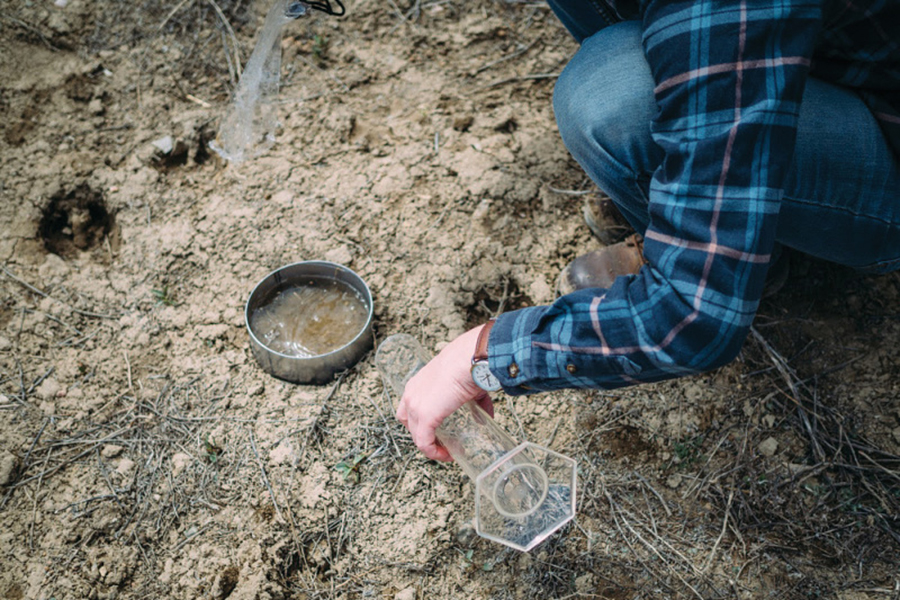
Photo credit: Jane Cavagnero/Mad Agriculture
Regenerative agriculture methods are used across the state, but prioritizing their use on a large scale is critical for production. Composting, planting cover crops and adding animal grazing improve soil health, water quality and retention while helping to maintain soil nutrients.
“The healthier the soil, the more nutritious the food being grown will be, and the more water is retained, which requires less water for irrigation,” Simmons-St. Onge says.
Since launching in 2020, the coalition has worked to direct federal funding from the American Rescue Plan Act to support communities across Colorado, and their crowdsourced policy ideas have influenced 44 new state laws.
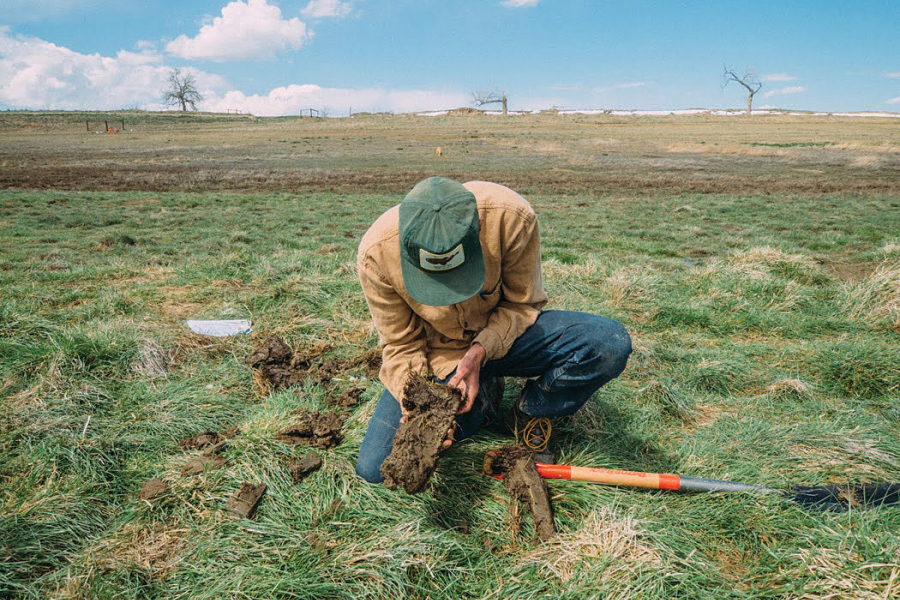
Photo credit: Jane Cavagnero/Mad Agriculture
Funding and Restoration
Transitioning to regenerative agriculture techniques comes with upfront costs. These can be offset by grants offered through the U.S. Department of Agriculture, but more funding is needed to effectively implement long term change. That’s where Restore Colorado and Zero Foodprint (ZFP) comes in.
After seeing initial success in California, Restore Colorado, a pilot program launched in Boulder County in 2022, has partnered with the USDA, Colorado Department of Agriculture, ZFP and Mad Agriculture as well as the Regenerative Recovery Coalition to connect Colorado soil health-focused producers with businesses.
Restaurants and food and beverage companies in the program offer their customers an optional 1% fee, with the money going to a fund to help farmers and ranchers invest in regenerative agriculture practices.
“Each dollar invested in the program creates about $40 in benefit,” says Anthony Myint, ZFP executive director.
Since 2021, ZFP has awarded 11 grants for more than $100,000 in Colorado, and plans to make available an additional $200,000 for statewide application started mid-March.
“Our goal is to raise $5 million annually by 2025 to reinvest in Colorado food production,” Myint says.
ZFP is actively working to expand the Restore Colorado program to new regions and create further collaborations between producers committed to soil health and climate-minded consumers.

The Mancos Conservation District assesses a rapid stream riparian area. Photo credit: Mancos Conservation District
Water Improvements
Another organization focused on regenerative agriculture and water conservation is the Mancos Conservation District in southwestern Colorado, which works holistically with landowners who want to improve their water infrastructure, land and production.
“We first listen to agriculture producers and landowners to understand their issues and to identify barriers and then provide technical assistance in the areas of data, science and engineering to create solutions,” says Gretchen Rank, executive director of the Mancos Conservation District.
The Mancos district coordinates with local, state and federal partners to engineer and install irrigation diversions and infrastructure to address water conservation and efficiency while providing fish passage. This offers multiple agricultural and environmental benefits while improving riparian areas.
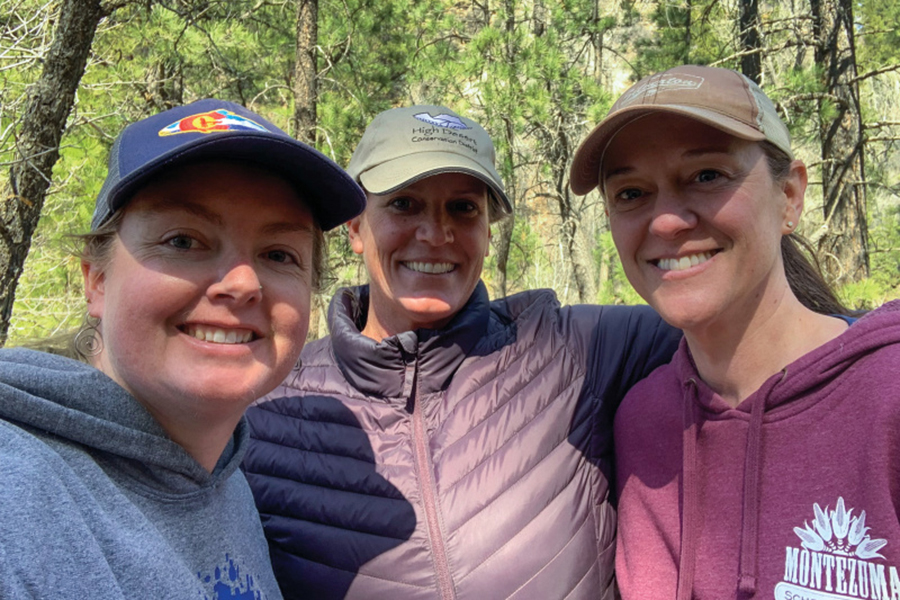
Mancos Conservation District’s Watershed Coordinator Sensa Wolcott, District Manager Neva Connolly and Executive Director Gretchen Rank; Photo credit: Mancos Conservation District
“Landowners have seen their land change over time and recognize that their main assets are their land and water – not just the products they produce. If they care for their water and land, higher yield production will follow,” Rank says.
Since 2015, Mancos has funded nearly $12 million through USDA’s Natural Resources Conservation Service and other grants to support water implementation projects benefiting landowners and the broader community. The district is also part of the CDA’s STAR Plus Program, which administers financial and technical assistance to producers employing soil health practices in their operations.
“It’s important for farmers and ranchers to know that they aren’t solely responsible for financing the transition to regenerative methods,” Myint says. “By working together, we can make the change happen.”
What is Your Reaction?
 Like
0
Like
0
 Dislike
0
Dislike
0
 Love
0
Love
0
 Funny
0
Funny
0
 Angry
0
Angry
0
 Sad
0
Sad
0
 Wow
0
Wow
0