

























































Ford Site Residential – stpaul.gov
Residential Development at the Future Ford Site: A Sustainable Housing Initiative
Overview
The future Ford Site in the City of Saint Paul is planned to feature a diverse mix of residential units, including ownership and rental options that vary in size, price, and target demographic groups. This development aligns with the City’s commitment to expanding housing options to better serve younger and older households, single-person households, and a range of income levels. Emphasizing affordable housing is a critical component of creating a stable and healthy community, consistent with the United Nations Sustainable Development Goals (SDGs), particularly SDG 11 (Sustainable Cities and Communities) and SDG 10 (Reduced Inequalities).
Housing Diversity and Community Integration
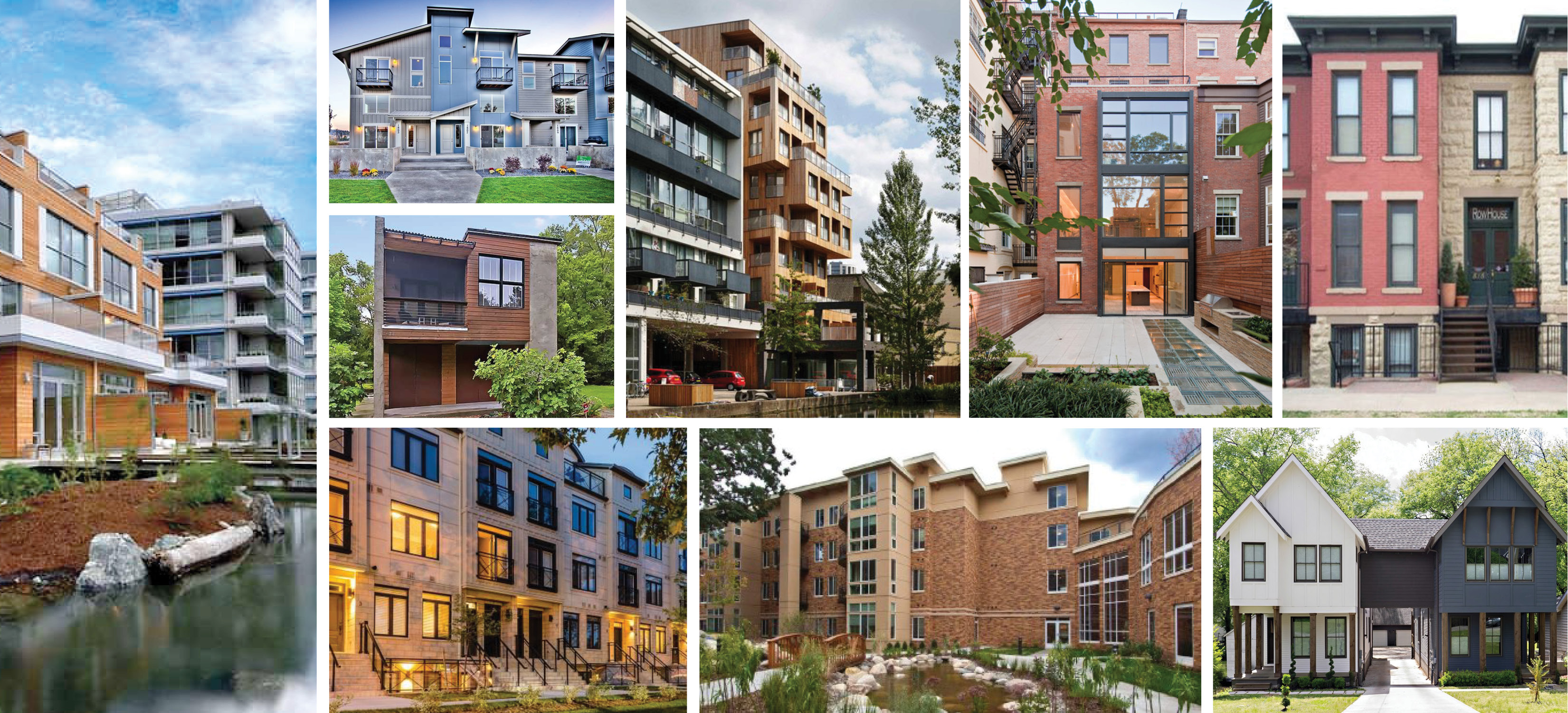
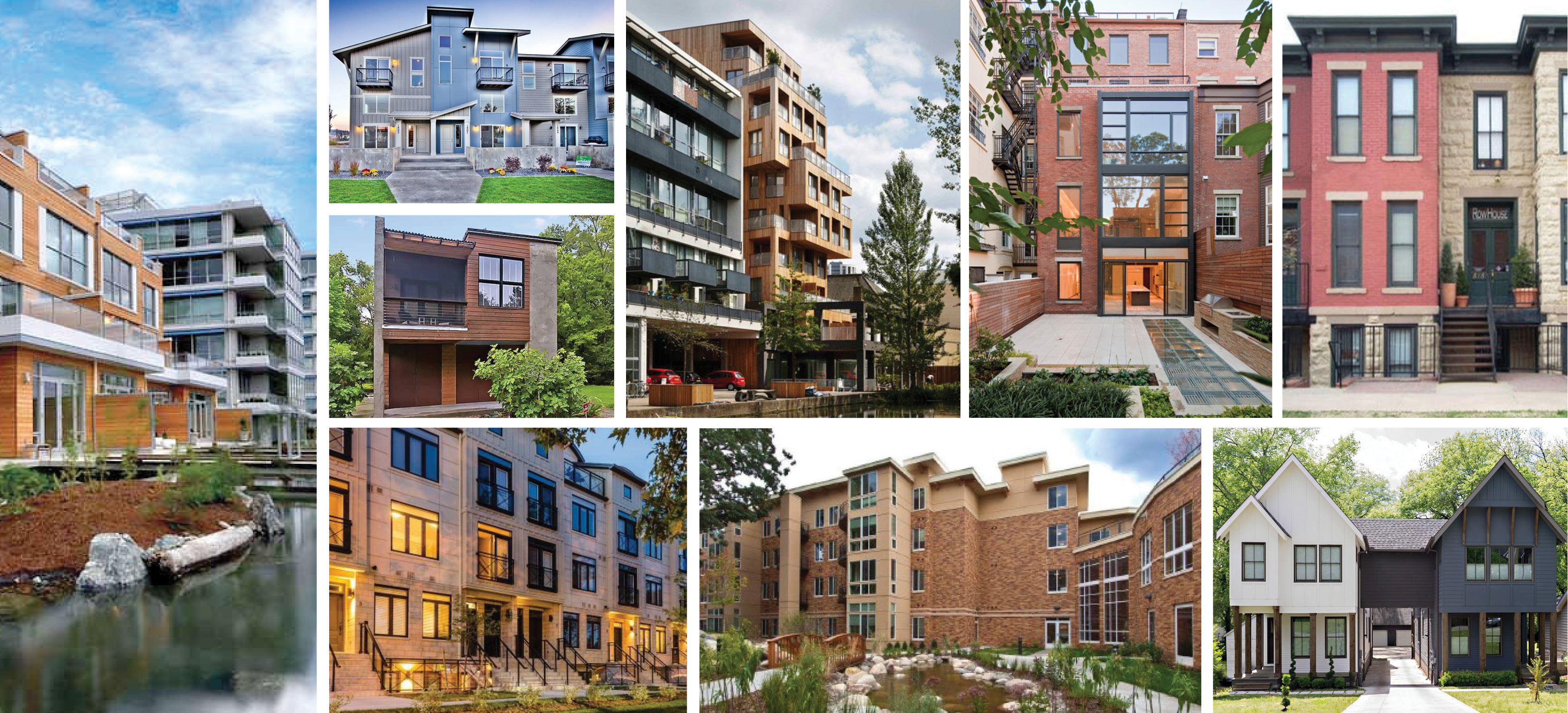
The Ford Site will incorporate a variety of housing types, such as:
- Multi-unit large homes
- Carriage houses
- Townhomes
- Live-work units
- Apartments
- Condominiums
- Potential senior housing
This diverse housing mix aims to foster a multi-generational residential community with sufficient density to support local businesses, including stores and restaurants, and to generate a tax base that funds parks and amenities. This approach supports SDG 8 (Decent Work and Economic Growth) by promoting local economic development and SDG 3 (Good Health and Well-being) through enhanced community amenities.
Development Scale and Timeline
The Zoning and Public Realm Master Plan outlines a framework for constructing between 2,400 and 4,000 housing units at full build-out. The phased development is expected to span 12 to 20 years, ensuring sustainable growth consistent with SDG 9 (Industry, Innovation, and Infrastructure).
Affordable Housing Goals
Addressing housing affordability is a priority at the regional, city, and neighborhood levels, directly contributing to SDG 1 (No Poverty) and SDG 10 (Reduced Inequalities). The City’s specific affordability targets for the Ford Site include:
- 5% of units affordable to households earning 60% or less of Area Median Income (AMI)
- 5% of units affordable to households earning 50% or less of AMI
- 10% of units affordable to households earning 30% or less of AMI
- A mix of affordable housing types, including townhomes, rental, ownership, and senior units
- Inclusion of affordable units within mixed-income buildings, blending market-rate and affordable housing
- Distribution of affordable units throughout the site to avoid clustering or concentration
These goals complement the city-wide affordable housing policy, which applies when public subsidies are invested in housing projects. Further details are available in the housing section of the City’s Comprehensive Plan.
Policy and Implementation
For housing developments seeking subsidies from the City or the Housing and Redevelopment Authority, affordable housing standards under Strategy 3.3 of the Comprehensive Plan’s Housing Chapter will be enforced as determined by the City Council or the Housing and Redevelopment Authority’s Board of Commissioners. This ensures alignment with SDG 16 (Peace, Justice, and Strong Institutions) through transparent governance and policy enforcement.
Visual and Planning Considerations
The images and conceptual designs of housing options for the Ford Site serve as preliminary representations. Detailed design and planning will be developed during the master planning process in collaboration with City staff and public stakeholders, ensuring community engagement and sustainable urban development.
Additional Resources
For further information, please refer to the related studies and the following video presentation:
1. Sustainable Development Goals (SDGs) Addressed or Connected
- SDG 11: Sustainable Cities and Communities
- The article focuses on creating a mix of housing options, supporting diverse household types, and fostering a stable and healthy community in Saint Paul and Highland Park.
- It emphasizes urban planning, housing diversity, and community amenities, which are core to SDG 11.
- SDG 1: No Poverty
- By targeting affordable housing for households earning 30%, 50%, and 60% or less of Area Median Income, the article addresses poverty reduction through improved housing access.
- SDG 10: Reduced Inequalities
- The focus on mixed-income housing and avoiding clustering of affordable units supports social inclusion and reduced inequalities.
2. Specific Targets Under Those SDGs
- SDG 11: Sustainable Cities and Communities
- Target 11.1: Ensure access for all to adequate, safe and affordable housing and basic services and upgrade slums.
- Target 11.3: Enhance inclusive and sustainable urbanization and capacity for participatory, integrated and sustainable human settlement planning and management.
- SDG 1: No Poverty
- Target 1.2: Reduce at least by half the proportion of men, women and children living in poverty in all its dimensions according to national definitions.
- SDG 10: Reduced Inequalities
- Target 10.2: Empower and promote the social, economic and political inclusion of all, irrespective of age, sex, disability, race, ethnicity, origin, religion or economic or other status.
3. Indicators Mentioned or Implied to Measure Progress
- Proportion of affordable housing units by income level
- 5% of units affordable to households earning ≤ 60% of Area Median Income
- 5% of units affordable to households earning ≤ 50% of Area Median Income
- 10% of units affordable to households earning ≤ 30% of Area Median Income
- Distribution of affordable units
- Affordable units should be mixed throughout the site, avoiding clustering or concentration.
- Mix of housing types
- Affordable units should include townhomes, rental, ownership, and senior housing, indicating diversity in housing options.
- Number of housing units developed
- Range of 2,400 to 4,000 housing units at full build-out over 12 to 20 years, indicating scale and phased development progress.
4. Table: SDGs, Targets and Indicators
| SDGs | Targets | Indicators |
|---|---|---|
| SDG 11: Sustainable Cities and Communities |
|
|
| SDG 1: No Poverty |
|
|
| SDG 10: Reduced Inequalities |
|
|
Source: stpaul.gov
What is Your Reaction?
 Like
0
Like
0
 Dislike
0
Dislike
0
 Love
0
Love
0
 Funny
0
Funny
0
 Angry
0
Angry
0
 Sad
0
Sad
0
 Wow
0
Wow
0