







































;Resize=620#)














FWC projects look to improve Lake O wildlife, water quality – Gulf Coast News and Weather

Report on the Ecological Restoration of Lake Okeechobee and Alignment with Sustainable Development Goals
1.0 Introduction
Lake Okeechobee, a significant freshwater body in Florida, is the subject of ongoing ecological restoration efforts led by the Florida Fish and Wildlife Conservation Commission (FWC). After years of dramatic environmental changes and degradation, these initiatives aim to improve water quality, restore habitats, and enhance the lake’s overall health. This report outlines the challenges facing the lake, details the restoration projects underway, and analyzes their direct contributions to the United Nations Sustainable Development Goals (SDGs).
2.0 Ecological Challenges
The ecosystem of Lake Okeechobee has faced significant pressures, leading to a decline in its environmental health. Key challenges include:
- Extreme Weather Events: Hurricanes, such as Hurricane Irma in 2017, have caused catastrophic damage to the lake’s ecosystem, notably eradicating vital aquatic vegetation in areas like Fisheating Bay. This aligns with the challenges presented by SDG 13: Climate Action, as climate change intensifies such weather events.
- Vegetation Loss: The destruction of aquatic plants has diminished natural water filtration, negatively impacting water quality and clarity. This loss also degrades critical habitats for fish and wildlife.
- Water Quality Degradation: The lake’s water quality is a persistent issue, with studies citing it as highly polluted. The loss of vegetation exacerbates this by reducing the ecosystem’s capacity to naturally remove excess nutrients. This directly relates to the targets of SDG 6: Clean Water and Sanitation.
3.0 Restoration Initiatives by the Florida Fish and Wildlife Conservation Commission (FWC)
The FWC is implementing a series of targeted projects to address the ecological degradation of Lake Okeechobee. These efforts, while localized, are designed to create a cumulative positive impact on the larger ecosystem. The primary initiatives include:
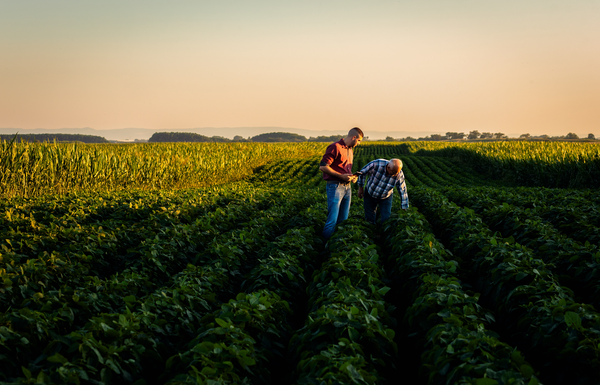
- Revegetation Projects: The FWC has actively planted native grasses, such as Kissimmee grass, in shallow areas of the lake. Over eight acres were planted in the spring to re-establish plant life that serves as a natural filter and habitat.
- Muck Removal: Efforts are underway to remove accumulated muck from the lakebed, which improves water clarity and the health of the benthic environment.
- Prescribed Burns: In areas like the Moore Haven Marsh, the FWC has conducted large-scale prescribed burns. This management technique removes dead plant matter, reduces wildfire risk, and stimulates the growth of new, healthy vegetation.
4.0 Contribution to Sustainable Development Goals (SDGs)
The restoration work on Lake Okeechobee directly supports several key UN Sustainable Development Goals:
- SDG 6: Clean Water and Sanitation: By replanting aquatic vegetation, the FWC is enhancing the lake’s natural ability to filter water and remove nutrients. This improves the quality of a vital source of drinking water, irrigation for agriculture, and recreational water for surrounding communities.
- SDG 14: Life Below Water: The re-establishment of aquatic grasses creates essential habitats and nurseries for fish, invertebrates, and other aquatic species, thereby restoring biodiversity and supporting the health of underwater ecosystems.
- SDG 15: Life on Land: Healthy aquatic and marsh ecosystems support a wide range of terrestrial and avian wildlife. The restoration of vegetation and marshlands provides critical habitats for birds and other animals, contributing to the conservation of biodiversity on land.
- SDG 11: Sustainable Cities and Communities: The health of Lake Okeechobee is intrinsically linked to the well-being of nearby communities, including those along the Gulf Coast affected by water releases. Improving the lake’s water quality ensures safer water for human consumption and recreation, contributing to more sustainable and resilient communities.
Analysis of Sustainable Development Goals in the Article
1. Which SDGs are addressed or connected to the issues highlighted in the article?
-
SDG 6: Clean Water and Sanitation
- The article’s central theme is the water quality of Lake Okeechobee. It discusses concerns about the lake being the “dirtiest lake in America” and highlights the importance of its water for drinking, irrigation, and recreation. The restoration efforts are aimed at improving this quality, directly aligning with the goal of ensuring clean water.
-
SDG 14: Life Below Water
- The article details the impact of environmental degradation on aquatic life. The loss of vegetation affects “fish and wildlife,” and restoration efforts aim to create habitats for “invertebrates to birds, to fish.” This focus on protecting and restoring an aquatic ecosystem is a core component of SDG 14.
-
SDG 15: Life on Land
- Lake Okeechobee is a significant inland freshwater ecosystem. The article describes actions to restore this ecosystem, including planting grasses and conducting prescribed burns in the Moore Haven Marsh. These efforts to halt habitat degradation and restore wetlands and their biodiversity fall squarely under SDG 15.
-
SDG 13: Climate Action
- The article explicitly links the ecosystem’s degradation to a climate-related disaster, stating that “Hurricane Irma wiped it out.” The restoration work, therefore, represents an effort to build the ecosystem’s resilience and adaptive capacity to future climate-related hazards, which is a key aspect of SDG 13.
2. What specific targets under those SDGs can be identified based on the article’s content?
-
Target 6.6: Protect and restore water-related ecosystems
- The entire article focuses on the work of the Florida Fish and Wildlife Conservation Commission (FWC) to restore the Lake Okeechobee ecosystem. Actions like planting “more than eight acres of grasses,” removing muck, and conducting prescribed burns are direct efforts to “protect and restore” this vital water-related ecosystem.
-
Target 14.2: Protect and restore marine and coastal ecosystems
- While the lake is a freshwater body, the principles of this target apply. The article describes actions taken for the “restoration” of the lake’s ecosystem to support fish and wildlife. The goal is to reverse the damage caused by Hurricane Irma and improve the overall health of the aquatic environment, which aligns with the spirit of this target.
-
Target 15.1: Conserve and restore terrestrial and inland freshwater ecosystems
- This target is directly addressed through the FWC’s restoration projects in and around Lake Okeechobee, a major “inland freshwater ecosystem.” The article highlights that these projects, while small-scale, are designed to “impact a bay… a cove… a single species,” contributing to the overall restoration of the ecosystem.
-
Target 15.5: Halt biodiversity loss
- The loss of vegetation is described as a degradation of natural habitat. The restoration efforts aim to reverse this by planting grasses that will be used by “anything from invertebrates to birds, to fish.” This is a direct action to combat the loss of biodiversity by restoring critical habitats.
-
Target 13.1: Strengthen resilience to climate-related disasters
- The article identifies Hurricane Irma as the cause of significant vegetation loss. By replanting native grasses and restoring the natural environment, the FWC is helping to strengthen the lake’s ecosystem, making it more resilient to the impacts of future hurricanes and other climate-related hazards.
3. Are there any indicators mentioned or implied in the article that can be used to measure progress towards the identified targets?
-
Water Quality Metrics
- The article implies several indicators for water quality. Progress can be measured by tracking “water clarity” and the reduction of “nutrients” in the water, as the newly planted vegetation is expected to “help remove some nutrients.” The subjective assessment of the lake being “beautiful this spring” versus the “dirtiest lake” claim points to aesthetic and scientific measures of water quality.
-
Area of Restored Vegetation
- A direct quantitative indicator is mentioned: the FWC “planted more than eight acres of grasses in the lake.” The total acreage of restored vegetation serves as a clear metric for tracking the progress of restoration efforts over time.
-
Biodiversity and Wildlife Population
- The article implies that the success of the restoration can be measured by its impact on wildlife. The statement that “invertebrates to birds, to fish will use those plants” suggests that monitoring the presence, diversity, and population sizes of these species in restored areas would be a key indicator of ecosystem recovery.
Summary of SDGs, Targets, and Indicators
| SDGs | Targets | Indicators |
|---|---|---|
| SDG 6: Clean Water and Sanitation | 6.6: Protect and restore water-related ecosystems. |
|
| SDG 14: Life Below Water | 14.2: Protect and restore marine and coastal ecosystems. |
|
| SDG 15: Life on Land |
15.1: Conserve and restore terrestrial and inland freshwater ecosystems. 15.5: Halt biodiversity loss. |
|
| SDG 13: Climate Action | 13.1: Strengthen resilience to climate-related disasters. |
|
Source: gulfcoastnewsnow.com
What is Your Reaction?
 Like
0
Like
0
 Dislike
0
Dislike
0
 Love
0
Love
0
 Funny
0
Funny
0
 Angry
0
Angry
0
 Sad
0
Sad
0
 Wow
0
Wow
0