








































Housatonic Water Works: Public hearing in January concerning loans to build manganese treatment system – The Berkshire Edge

Report on Housatonic Water Works’ Financing for Critical Water Infrastructure and Sustainable Development Goals
Introduction: Addressing Deficiencies in SDG 6 (Clean Water and Sanitation)
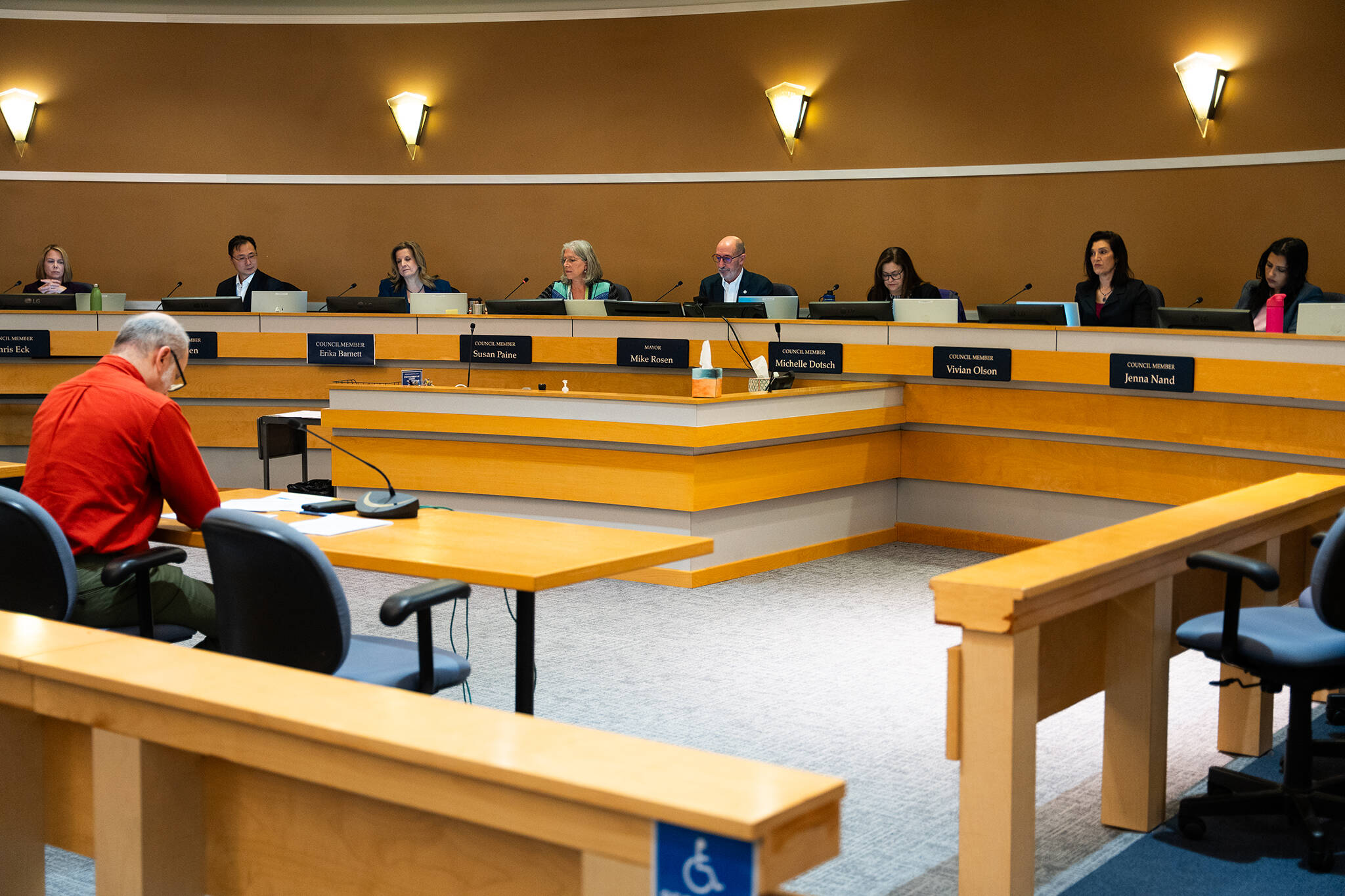
A public hearing has been scheduled by the Department of Public Utilities (DPU) to review a request from Housatonic Water Works (HWW) for the approval of two loans. The financing is stated as necessary for the completion of a manganese filtration plant, a critical infrastructure project aimed at addressing long-standing water quality issues for its service population of approximately 1,400 residents. This initiative directly relates to the fulfillment of Sustainable Development Goal 6 (SDG 6), which seeks to ensure the availability and sustainable management of water and sanitation for all. The company’s ability to provide safe and clean drinking water is under regulatory and public scrutiny.
Regulatory Context and Financial Overview
Loan Approval Request
HWW is seeking DPU approval for two separate loans to finance the filtration plant:
- A loan of $155,089, obtained in 2020 under the Small Business Administration’s COVID-19 Economic Injury Disaster program at 3.75 percent interest.
- A new commercial loan of $1 million from CoBank ACB, with an interest rate not to exceed eight percent.
Prior Regulatory Actions
The loan request follows several key regulatory actions and company disclosures:
- Rate Increase Approval: In July 2024, the DPU approved a rate increase of over 90 percent for HWW customers, contingent upon the completion of capital projects, including the manganese filtration plant.
- MassDEP Consent Order: The Massachusetts Department of Environmental Protection (MassDEP) issued a suspended fine of $12,360 in July, requiring HWW to adhere to a strict construction schedule for the treatment plant.
- Construction Delays: In September, HWW informed MassDEP of anticipated construction delays, citing the need for the financing under review.
Challenges to Achieving Sustainable Development Goals
SDG 3: Good Health and Well-being
The primary driver for the infrastructure project is elevated manganese levels in the water supply. While the company treasurer has characterized the resulting discoloration as a displeasing aesthetic issue rather than a health concern, this position is contradicted by established public health data. The Centers for Disease Control (CDC) warns that high levels of manganese can negatively affect the nervous system and brain development in children. This discrepancy raises significant concerns regarding SDG 3 (Good Health and Well-being). The company’s credibility on this matter is further challenged by a previous citation from MassDEP for withholding test results that showed high manganese levels.
SDG 6 (Clean Water) & SDG 9 (Resilient Infrastructure)
The situation in Housatonic highlights a severe deficit in meeting basic targets for clean water and resilient infrastructure.
- Water Quality: The failure to manage manganese contamination represents a direct challenge to providing safely managed drinking water services (Target 6.1).
- Infrastructure Deficit: The water distribution system, comprising 16.6 miles of predominantly iron and ductile iron mains, is indicative of aging infrastructure. Public testimony cited decaying components, water main breaks, and insufficient water pressure for firefighting, underscoring a critical need for investment in resilient infrastructure as outlined in SDG 9.
SDG 16: Peace, Justice, and Strong Institutions
The case demonstrates the function of public institutions in holding a private utility accountable. The interventions by the DPU, MassDEP, the Assistant Attorney General, and the towns of Great Barrington and Stockbridge exemplify the framework for ensuring responsive and inclusive decision-making (Target 16.7). However, public testimony reveals a profound lack of trust in the company, with accusations of mismanagement and a lack of accountability. This sentiment points to a breakdown in governance that strong institutions are now being called upon to rectify.
Multi-Stakeholder Engagement and Perspectives
Government and Municipal Interventions
Several public entities have formally intervened in the DPU case to represent the public interest:
- Town of Great Barrington: Seeks to ensure that any loan approval is tied to firm project delivery timelines to provide relief for ratepayers and secure safe water as quickly as possible.
- Town of Stockbridge: Filed a petition to intervene on behalf of its residents.
- Assistant Attorney General: Filed a notice of intervention and has formally questioned HWW regarding its efforts to secure alternative funding, such as grants.
Company Justification
In pre-filed testimony, HWW Treasurer James Mercer stated that the financing is urgently needed to order equipment and place the filtration plant into service before the warmer months, when the risk of manganese discoloration is highest. The company has requested an expedited approval process. Mr. Mercer confirmed that while HWW secured a $360,000 MassDEP grant, it has not found other grant programs for which the project is eligible but will continue to monitor funding opportunities, a key component of SDG 17 (Partnerships for the Goals).
Public Testimony
A public comment submitted by a resident encapsulates the community’s frustration and distrust. The testimony alleges:
- A history of financial mismanagement and incompetence.
- Inadequate water pressure for emergency services.
- Ongoing damage to personal property, such as appliances, due to poor water quality.
- A belief that systemic infrastructure failure, not just manganese, is the root cause of the problems.
- A call for stringent oversight, accountability, and verification of all expenditures by an independent state-level source before any further funds are approved.
SDGs Addressed in the Article
SDG 6: Clean Water and Sanitation
- The core of the article revolves around the failure of Housatonic Water Works (HWW) to provide clean and safe drinking water to its 1,400 customers. The discussion focuses on “unacceptable water quality,” “water discoloration issues” due to high manganese levels, and the urgent need for a filtration plant to resolve the problem. This directly addresses the goal of ensuring the availability and sustainable management of water.
SDG 3: Good Health and Well-being
- The article explicitly connects the water quality issue to health concerns. It references the Centers for Disease Control (CDC), stating that high levels of manganese can affect the nervous system and that “extremely high levels of manganese exposure may produce undesirable effects on brain development” in children. A resident’s comment that “an infant cannot drink the water in their formula” further highlights the immediate health risks.
SDG 11: Sustainable Cities and Communities
- The provision of safe and reliable water is a basic service essential for a sustainable community. The article describes how the failure to provide this service in Great Barrington and Stockbridge affects residents, including damage to appliances like dishwashers and a general strain on the community’s infrastructure and well-being.
SDG 16: Peace, Justice and Strong Institutions
- The article details a complex institutional and legal process involving the Department of Public Utilities (DPU), the Department of Environmental Protection (MassDEP), the Assistant Attorney General, and local town governments. The public hearings, legal interventions, fines, and consent orders are all mechanisms aimed at creating accountability for the water company. Public comments reflect a demand for transparency and effective governance (“The Mercers have never been held accountable,” “all funding expenditures are verified and accounted for”).
Specific SDG Targets Identified
SDG 6: Clean Water and Sanitation
- Target 6.1: By 2030, achieve universal and equitable access to safe and affordable drinking water for all. The article demonstrates a lack of safe water for the 1,400 residents served by HWW due to manganese contamination. Affordability is also a concern, as the company was approved for a rate increase of “over 90 percent over a span of five years” to fund necessary improvements.
- Target 6.3: By 2030, improve water quality by reducing pollution… The entire purpose of constructing the “manganese filtration plant” is to improve water quality by removing a contaminant. The company was previously fined by MassDEP for violations and cited for “withholding test results showing high manganese levels,” indicating a failure to meet water quality standards.
- Target 6.b: Support and strengthen the participation of local communities in improving water and sanitation management. The article shows this target in action through the scheduled public hearing via Zoom, the DPU’s acceptance of public comments, and the formal petitions to intervene filed by the towns of Great Barrington and Stockbridge to represent the interests of their residents.
SDG 3: Good Health and Well-being
- Target 3.9: By 2030, substantially reduce the number of deaths and illnesses from hazardous chemicals and air, water and soil pollution and contamination. The article directly relates to this target by discussing the health risks of manganese, a hazardous chemical when present at high levels in drinking water. The effort to build a filtration plant is a direct measure to reduce the population’s exposure to this contaminant.
SDG 11: Sustainable Cities and Communities
- Target 11.1: By 2030, ensure access for all to adequate, safe and affordable housing and basic services… The situation described in the article is a clear failure to provide a basic service—safe water—to a community. The unreliability of the water supply, which damages appliances and poses health risks, detracts from the adequacy of living conditions for the residents.
SDG 16: Peace, Justice and Strong Institutions
- Target 16.6: Develop effective, accountable and transparent institutions at all levels. The regulatory actions by the DPU and MassDEP, including fines and consent orders, are attempts to build accountability. However, public comments suggest a perception that the company has not been “held accountable for their disastrous handling of our water supply,” indicating a gap in institutional effectiveness that the ongoing legal process aims to close.
- Target 16.7: Ensure responsive, inclusive, participatory and representative decision-making at all levels. The legal framework allowing the Assistant Attorney General and the towns of Great Barrington and Stockbridge to intervene in the DPU case, along with the mechanism for public hearings and comments, exemplifies a participatory process for decision-making regarding a critical public utility.
Indicators for Measuring Progress
The article mentions or implies several indicators that can be used to measure progress towards the identified targets:
Quantitative Indicators
- Population with access to safely managed drinking water: The article states the company provides service to “a population of around 1,400 residents” with “847 active customer connections” who currently lack safe water. Progress would be measured by this entire population gaining access to water free from high manganese levels.
- Water quality measurements: The article implies the existence of water quality testing by mentioning that the company was cited for “withholding test results showing high manganese levels.” The concentration of manganese in the water is a direct, measurable indicator.
- Financial flows for water infrastructure: The article specifies the financing needed for the filtration plant, including a requested “$1 million” commercial loan, an existing “$155,089” SBA loan, and a previously awarded “$360,000” grant. Tracking the approval and disbursement of these funds is an indicator of progress.
- Affordability of water: The approved “rate-increase request” of “over 90 percent over a span of five years” is a direct indicator of the cost of water for households.
Qualitative Indicators
- Functionality of water infrastructure: The successful completion and operation of the “manganese filtration plant” is a key indicator. A resident’s description of a “water main break” and “rotting nozzle” also serves as an anecdotal indicator of the poor state of the wider distribution system.
- Public and community participation: The number and content of public comments submitted to the DPU, as well as the active legal intervention by town governments, serve as indicators of community engagement in water management.
- Regulatory compliance: The company’s adherence to the “terms and conditions outlined in a consent order” and the “schedule for construction” of the treatment plant are key performance indicators of institutional accountability.
Summary Table of SDGs, Targets, and Indicators
| SDGs | Targets | Indicators Identified in the Article |
|---|---|---|
| SDG 6: Clean Water and Sanitation |
6.1: Achieve universal and equitable access to safe and affordable drinking water.
6.3: Improve water quality. 6.b: Support and strengthen the participation of local communities. |
– Population served lacking safe water (1,400 residents). – Approved customer rate increase (over 90%). – High levels of manganese in water (implied by filtration plant need). – Construction and completion of the manganese filtration plant. – Number of public comments and legal interventions by towns. |
| SDG 3: Good Health and Well-being | 3.9: Substantially reduce illnesses from water pollution and contamination. |
– Presence of a hazardous chemical (manganese) in the water supply. – Mention of health risks (nervous system, brain development). |
| SDG 11: Sustainable Cities and Communities | 11.1: Ensure access for all to adequate, safe and affordable basic services. |
– Reports of “unacceptable water quality” and water being “not potable.” – Damage to household appliances (e.g., dishwasher replacement). – State of infrastructure (16.6 miles of mains, reports of breaks). |
| SDG 16: Peace, Justice and Strong Institutions |
16.6: Develop effective, accountable and transparent institutions.
16.7: Ensure responsive, inclusive, participatory decision-making. |
– Regulatory actions (DPU hearings, MassDEP fines and consent orders). – Public perception of accountability (from resident comments). – Formal interventions by the Attorney General and local towns. – Existence of a public comment period and public hearing. |
Source: theberkshireedge.com
What is Your Reaction?
 Like
0
Like
0
 Dislike
0
Dislike
0
 Love
0
Love
0
 Funny
0
Funny
0
 Angry
0
Angry
0
 Sad
0
Sad
0
 Wow
0
Wow
0




![Scientist shares startling warning for daily coffee drinkers: ‘Perhaps try making less [of it]’ – The Cool Down](https://www.thecooldown.com/wp-content/themes/tcd/assets/images/divider-icon-earth.svg?#)