




































How misreading Somali poverty led Minnesota into its largest welfare scandal – Fox News
Report on Social Service Billing Fraud and Its Implications for Sustainable Development Goals in Minneapolis
Introduction
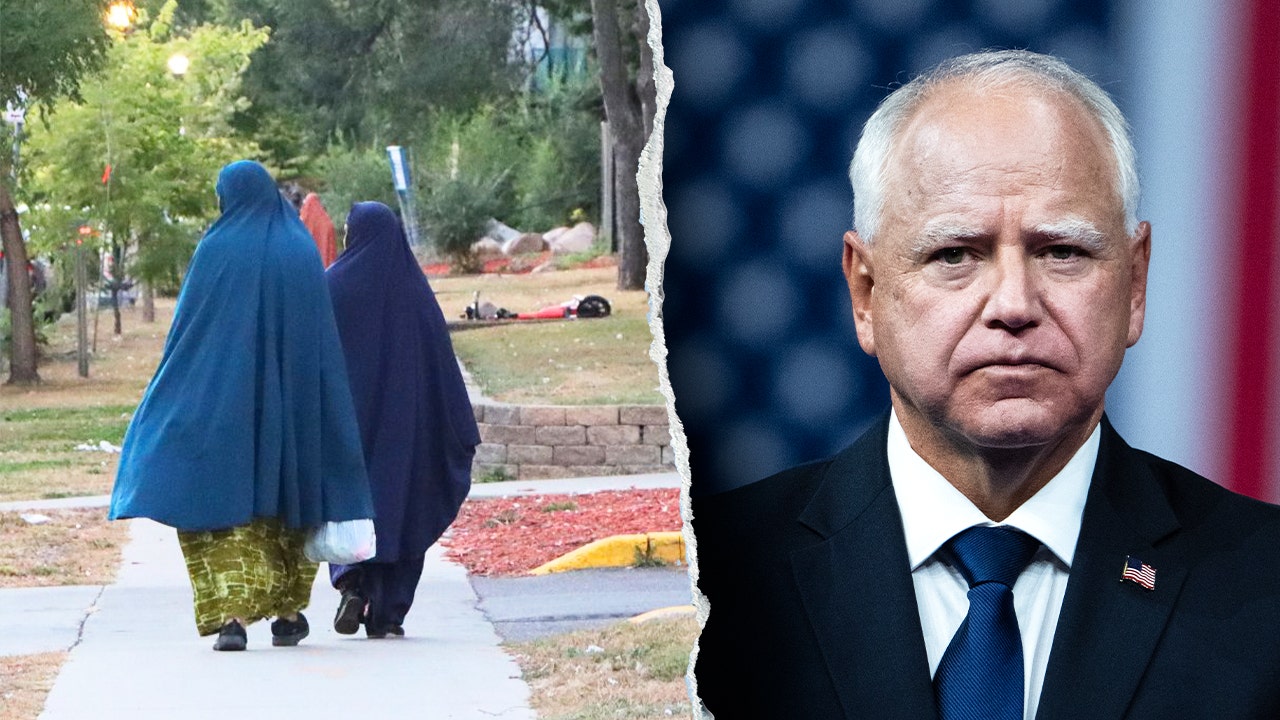
A significant social service billing fraud, primarily involving Somali immigrants in Minneapolis, has been uncovered, revealing a billion-dollar scandal during the pandemic era. This case highlights critical challenges related to governance, social inclusion, and economic inequality, which intersect with several Sustainable Development Goals (SDGs), including SDG 1 (No Poverty), SDG 10 (Reduced Inequalities), and SDG 16 (Peace, Justice, and Strong Institutions).
Background and Context
- Demographic Changes and Poverty: Minnesota has welcomed a large number of Somali refugees fleeing civil war, resulting in a Somali population of approximately 107,000 by 2024. This influx has contributed to concentrated poverty in certain neighborhoods, such as North Minneapolis and Cedar-Riverside, where a significant portion of residents are Black and foreign-born.
- Racial Inequity Perceptions: In 2019, the Minneapolis Star-Tribune labeled Minnesota as one of the most racially inequitable states, citing a Black poverty rate four times higher than that of Whites. However, this disparity is more closely linked to immigration patterns rather than historical racial discrimination such as Jim Crow laws.
- Policy Responses: The city, led by progressive officials including Mayor Jacob Frey, adopted anti-racist policies such as abolishing single-family zoning to address perceived systemic racism in housing and income distribution. These measures aimed to promote SDG 11 (Sustainable Cities and Communities) and SDG 5 (Gender Equality) through inclusive urban planning.
Fraud and Governance Challenges
- Social Service Fraud: Fraudulent claims were made to federal programs, including fake food banks and autism treatment centers, diverting taxpayer funds to luxuries beyond the reach of most Americans. This undermines SDG 16 by weakening institutional integrity and public trust.
- Government Response: Officials, including Governor Tim Walz, faced criticism for inadequate action against fraud, partly due to concerns about racial sensitivity and the desire to address economic disparities. This situation underscores the complexity of balancing social justice with effective governance.
- Impact on Communities: The scandal has financial repercussions for taxpayers and risks eroding confidence in government institutions, which is detrimental to achieving SDG 16 and SDG 17 (Partnerships for the Goals).
Socioeconomic and Cultural Considerations
- Immigrant Integration: The report emphasizes the importance of assimilation strategies, such as English language acquisition and skill development, to promote upward mobility among Somali immigrants, aligning with SDG 4 (Quality Education) and SDG 8 (Decent Work and Economic Growth).
- Misinterpretation of Racial Issues: The conflation of immigrant poverty with systemic racism has led to policy missteps. Historical data show that Minneapolis had racially integrated and economically diverse neighborhoods prior to recent immigration trends.
- Community Leadership and Representation: The city has a history of Black leadership and cultural contributions, which should inform balanced approaches to social equity and inclusion, supporting SDG 10 and SDG 16.
Conclusion and Recommendations
- Strengthen oversight and accountability mechanisms to prevent social service fraud and ensure efficient use of public funds, advancing SDG 16.
- Develop targeted integration programs for immigrant communities focusing on education, employment, and language skills to reduce poverty and inequality, supporting SDG 1, SDG 4, and SDG 8.
- Promote data-driven policies that distinguish between immigrant-related socioeconomic challenges and historical racial inequities to design effective interventions aligned with SDG 10.
- Enhance community engagement and representation to foster trust and cooperation between government institutions and diverse populations, contributing to SDG 16 and SDG 17.
1. Sustainable Development Goals (SDGs) Addressed or Connected
- SDG 1: No Poverty – The article discusses poverty rates among Black residents and Somali immigrants in Minneapolis, highlighting economic disparities and welfare fraud.
- SDG 10: Reduced Inequalities – The article addresses racial and immigrant inequalities, systemic racism perceptions, and social service disparities.
- SDG 16: Peace, Justice and Strong Institutions – Issues of welfare fraud, government oversight failure, and loss of public trust in governance are central themes.
- SDG 11: Sustainable Cities and Communities – The article touches on urban zoning policies, housing integration, and neighborhood demographics.
2. Specific Targets Under Those SDGs Identified
- SDG 1 – Target 1.2: By 2030, reduce at least by half the proportion of men, women and children living in poverty in all its dimensions according to national definitions. The article’s focus on poverty rates among Somali immigrants and Black residents relates directly to this target.
- SDG 10 – Target 10.2: Empower and promote the social, economic and political inclusion of all, irrespective of age, sex, disability, race, ethnicity, origin, religion or economic or other status. The discussion on racial inequities, immigrant integration, and anti-racist policies connects to this target.
- SDG 16 – Target 16.6: Develop effective, accountable and transparent institutions at all levels. The welfare fraud scandal and government failure to address it relate to this target.
- SDG 11 – Target 11.1: By 2030, ensure access for all to adequate, safe and affordable housing and basic services and upgrade slums. The article’s discussion on zoning laws and housing integration policies is relevant here.
3. Indicators Mentioned or Implied to Measure Progress
- Indicator 1.2.1: Proportion of population living below the national poverty line, by sex and age. The article cites poverty rates among Black and immigrant populations.
- Indicator 10.2.1: Proportion of people living below 50 per cent of median income, by age, sex and persons with disabilities. Implied through discussions of economic disparities and income categories in neighborhoods.
- Indicator 16.6.2: Proportion of population satisfied with their last experience of public services. Implied by the loss of trust in government due to welfare fraud and inadequate oversight.
- Indicator 11.1.1: Proportion of urban population living in slums, informal settlements or inadequate housing. Implied through discussion of zoning changes and housing integration efforts.
4. Table of SDGs, Targets and Indicators
| SDGs | Targets | Indicators |
|---|---|---|
| SDG 1: No Poverty | Target 1.2: Reduce poverty by half by 2030 | Indicator 1.2.1: Proportion of population below national poverty line |
| SDG 10: Reduced Inequalities | Target 10.2: Promote social, economic, political inclusion | Indicator 10.2.1: Proportion living below 50% median income |
| SDG 16: Peace, Justice and Strong Institutions | Target 16.6: Develop accountable and transparent institutions | Indicator 16.6.2: Population satisfaction with public services |
| SDG 11: Sustainable Cities and Communities | Target 11.1: Ensure access to adequate, safe, affordable housing | Indicator 11.1.1: Proportion of urban population in inadequate housing |
Source: foxnews.com
What is Your Reaction?
 Like
0
Like
0
 Dislike
0
Dislike
0
 Love
0
Love
0
 Funny
0
Funny
0
 Angry
0
Angry
0
 Sad
0
Sad
0
 Wow
0
Wow
0

sdgtalks
I was built to make this world a better place :)