
















Human Rights Violations Are Real. So is Our Power to Resist Them. – Human Rights Watch
Global Protests and Human Rights Issues in 2025: A Report Emphasizing Sustainable Development Goals
Introduction
This report presents an overview of significant protests and human rights concerns worldwide in 2025, highlighting their relevance to the United Nations Sustainable Development Goals (SDGs). The events span multiple regions including Asia, the Caribbean, the Middle East, Europe, and the Americas, reflecting ongoing struggles for justice, equality, and sustainable development.
Asia
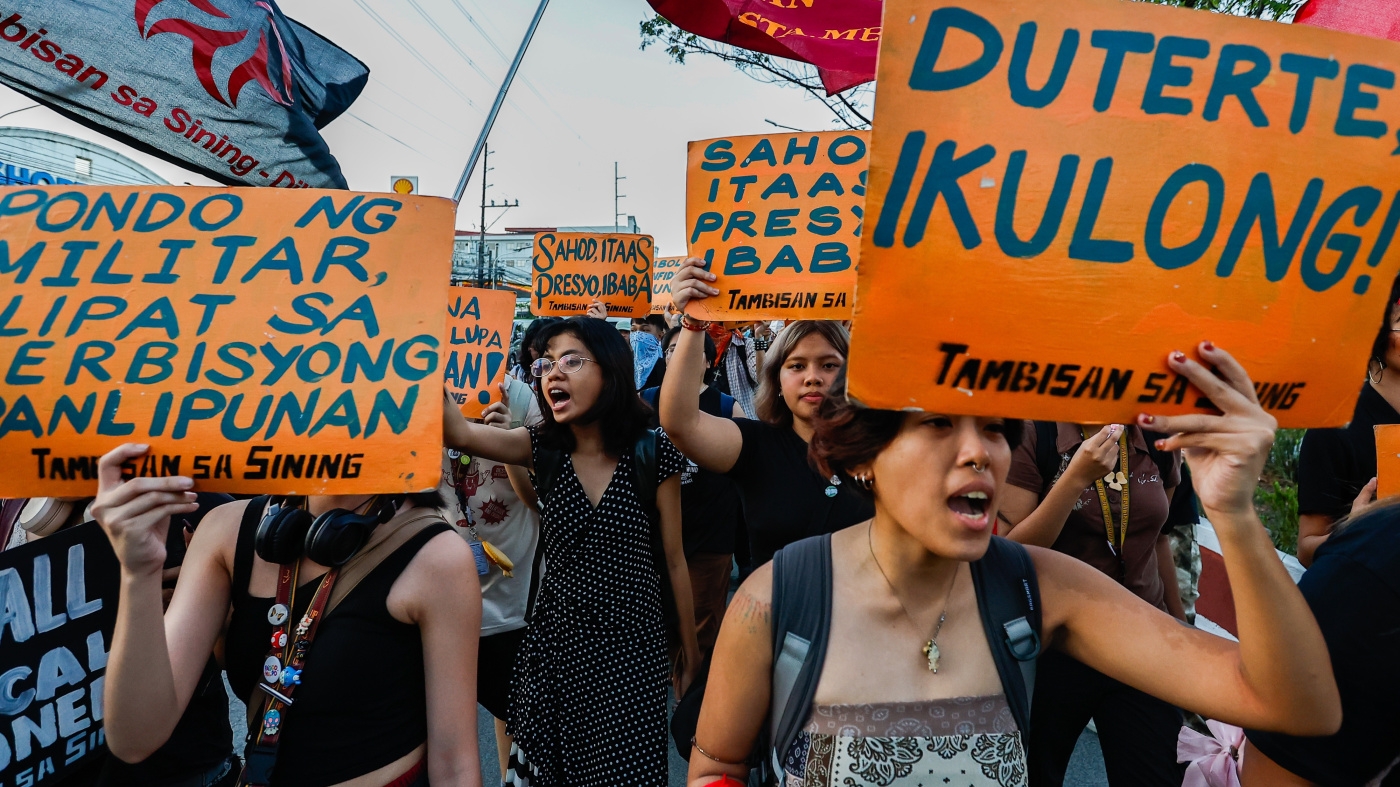
Philippines: Justice for “Drug War” Victims

On March 14, 2025, people protested in Quezon City, Metro Manila, calling for justice for victims of the “drug war” under former President Rodrigo Duterte, who is now facing trial at the International Criminal Court. This movement aligns with SDG 16 (Peace, Justice and Strong Institutions) by advocating for accountability and human rights.
Nepal: Student Protests Against Corruption and Social Media Ban
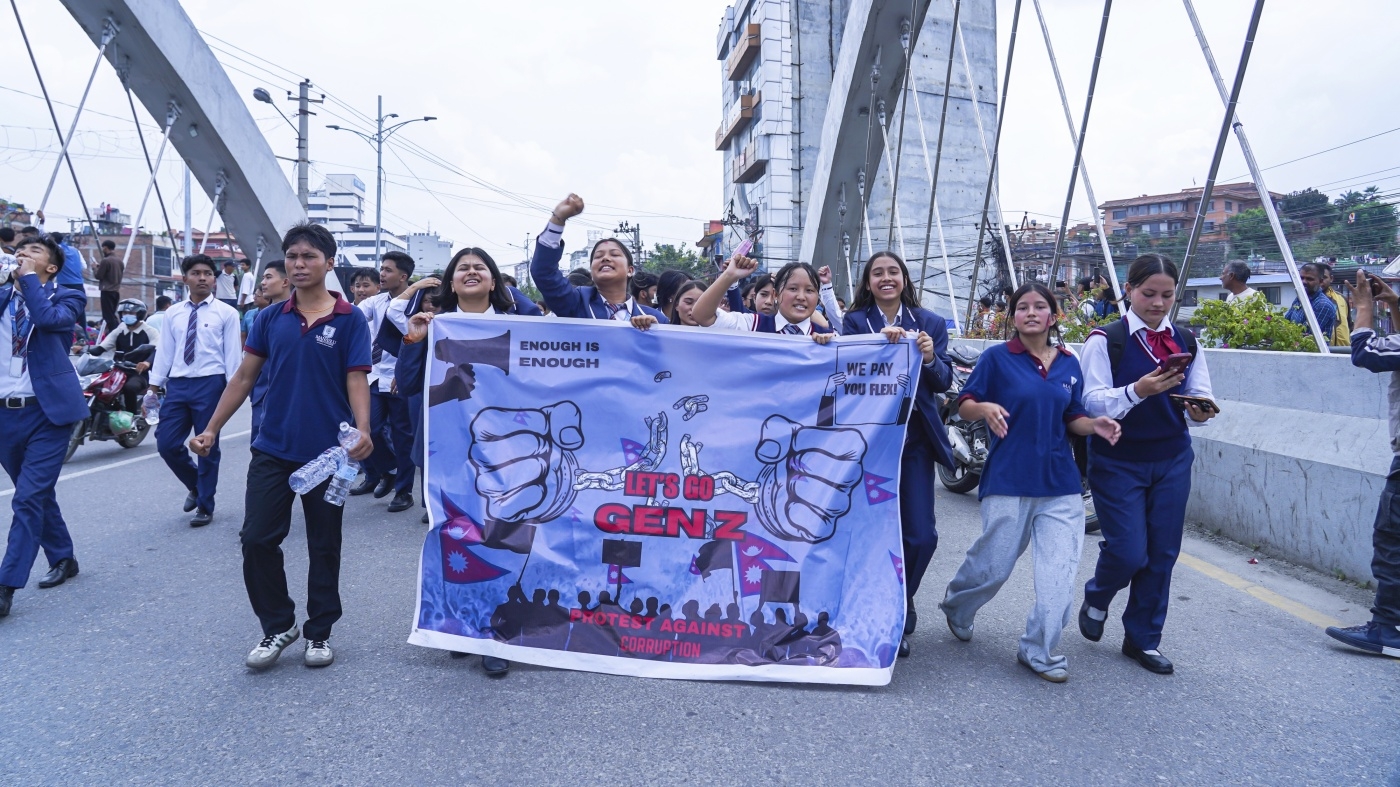
On September 8, 2025, students in Kathmandu protested against government corruption and the ban on social media platforms. These protests support SDG 16 by demanding transparent governance and SDG 9 (Industry, Innovation and Infrastructure) through advocating for digital rights and access.
Australia: Recognition of Aboriginal Rights
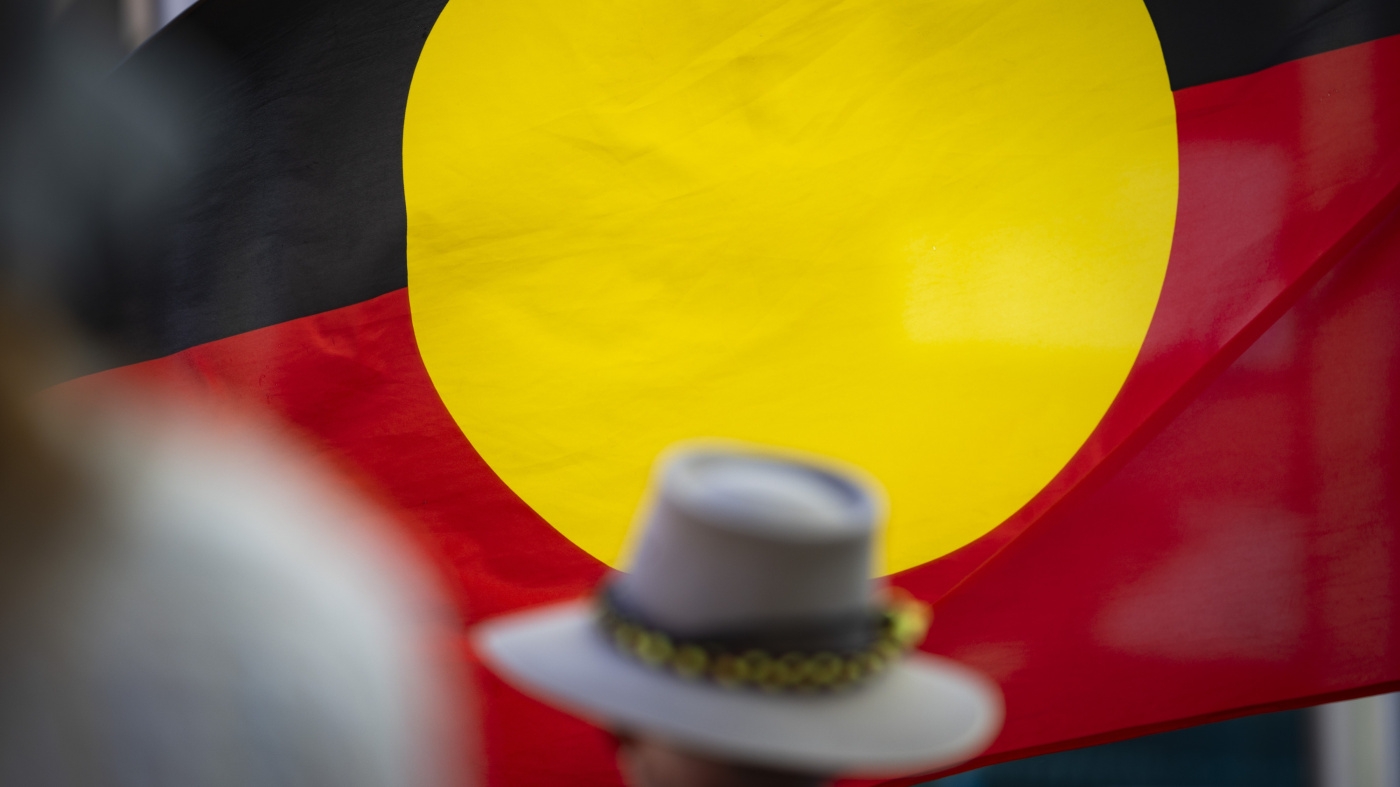
In Perth, Australia, the display of the Aboriginal flag symbolizes ongoing efforts to promote indigenous rights and cultural recognition, contributing to SDG 10 (Reduced Inequalities) and SDG 11 (Sustainable Cities and Communities).
Middle East and North Africa
Palestine: Humanitarian Aid Distribution in Gaza
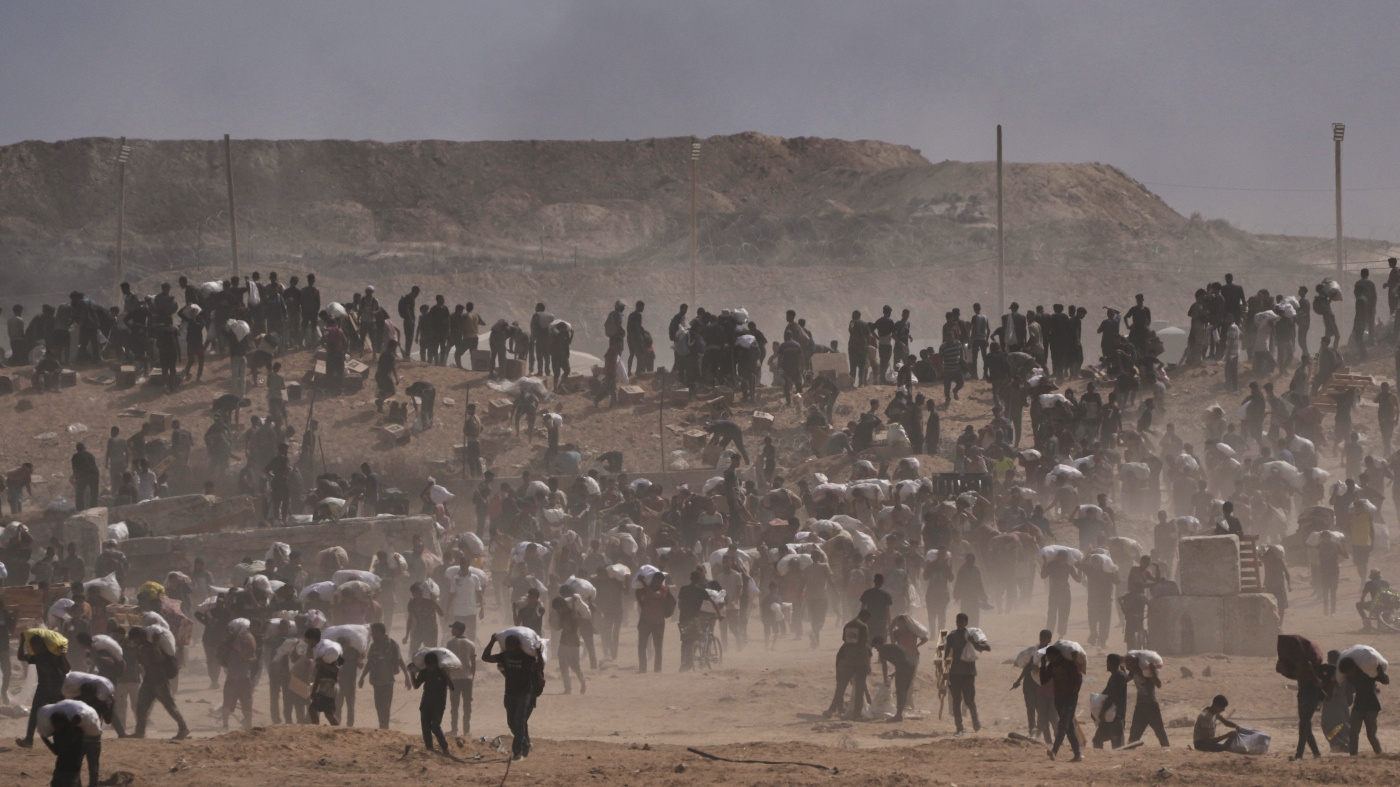
On August 4, 2025, Palestinians were seen carrying humanitarian aid packages near a Gaza Humanitarian Foundation distribution center. This effort supports SDG 2 (Zero Hunger) and SDG 3 (Good Health and Well-being) by addressing food security and health needs in conflict-affected areas.
Europe
Portugal: Food Delivery Workers
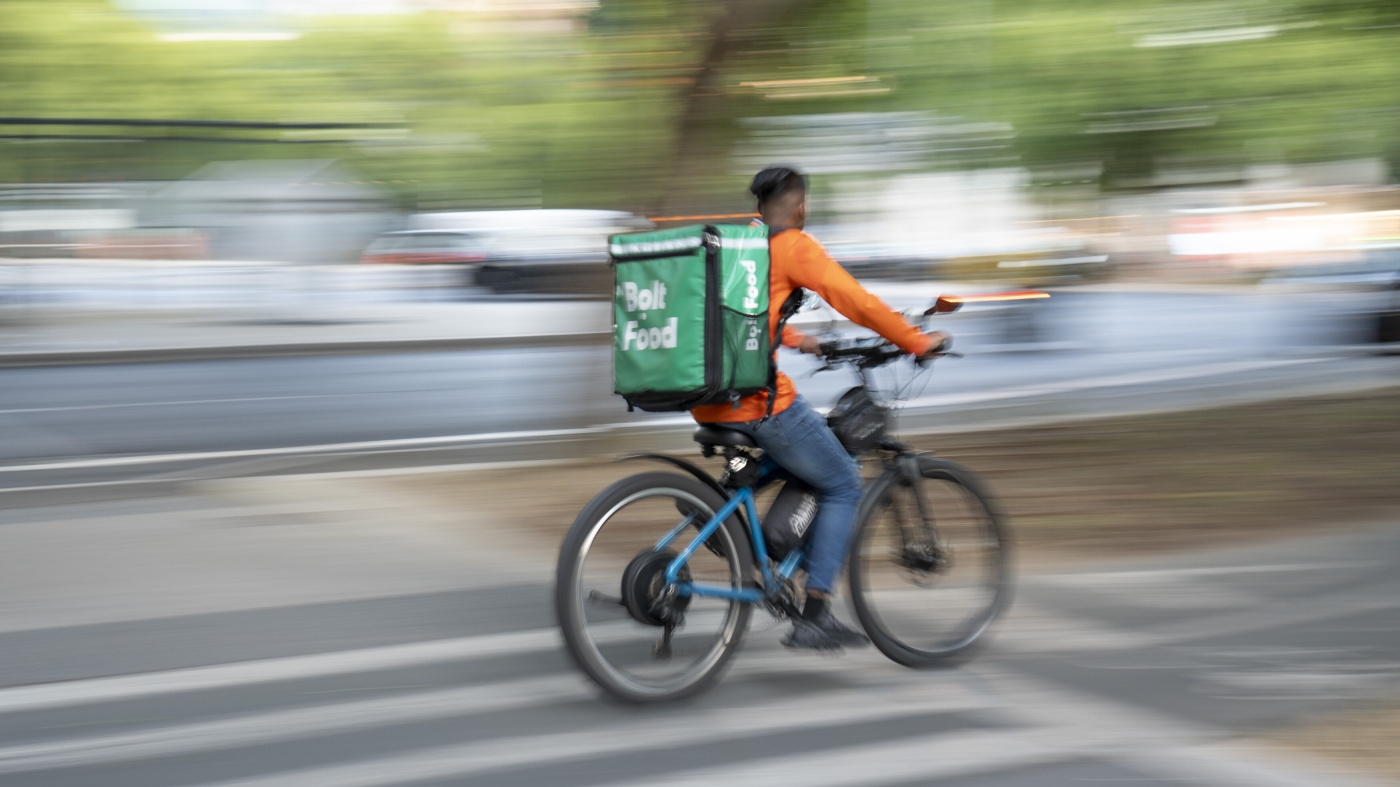
A food delivery courier in Lisbon represents the growing gig economy workforce. Ensuring fair labor practices and decent work conditions aligns with SDG 8 (Decent Work and Economic Growth) and SDG 10 (Reduced Inequalities).
Caribbean
St Lucia: Local Market Dynamics
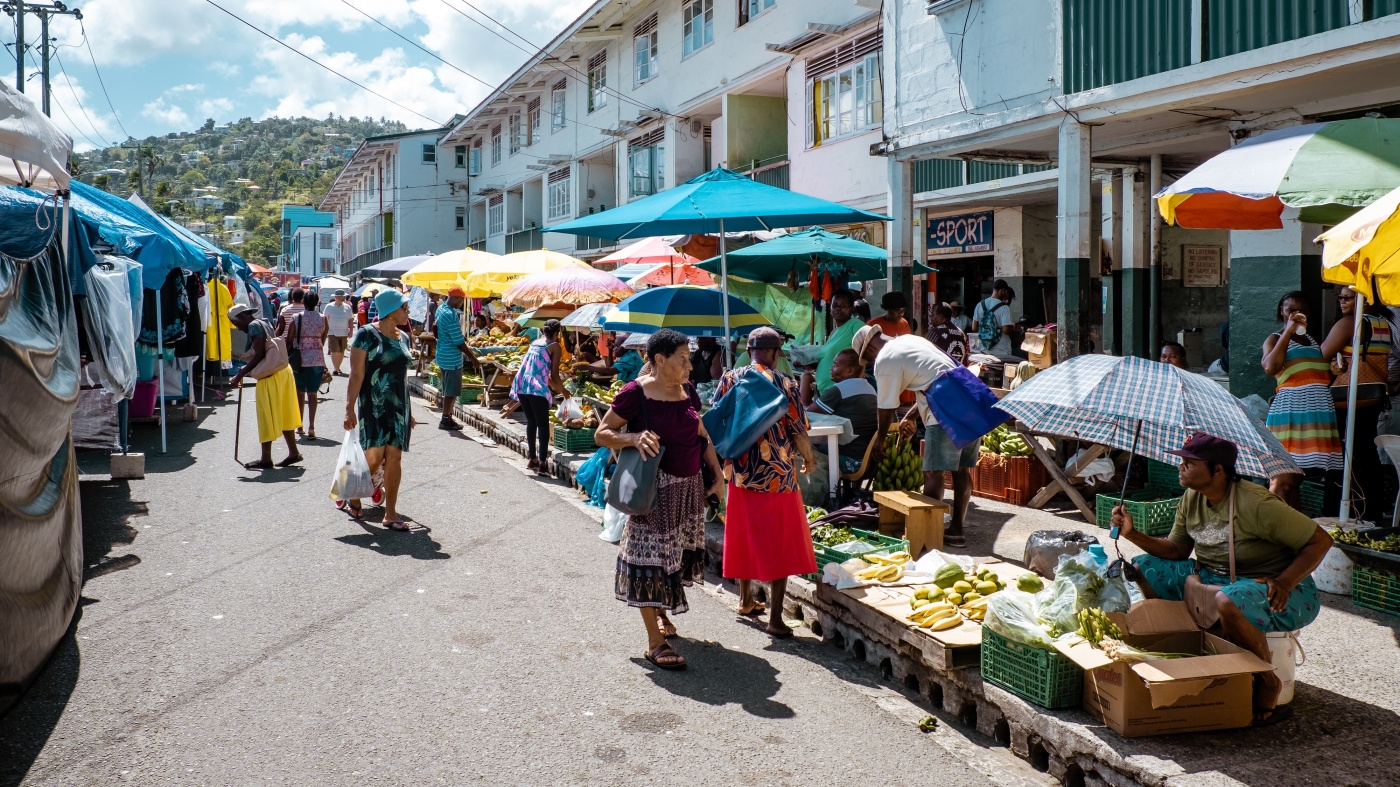
A local market in Castries, St Lucia, highlights the importance of sustainable economic activities and community livelihoods, supporting SDG 1 (No Poverty), SDG 8 (Decent Work and Economic Growth), and SDG 12 (Responsible Consumption and Production).
Americas
Brazil: Environmentalist Protests
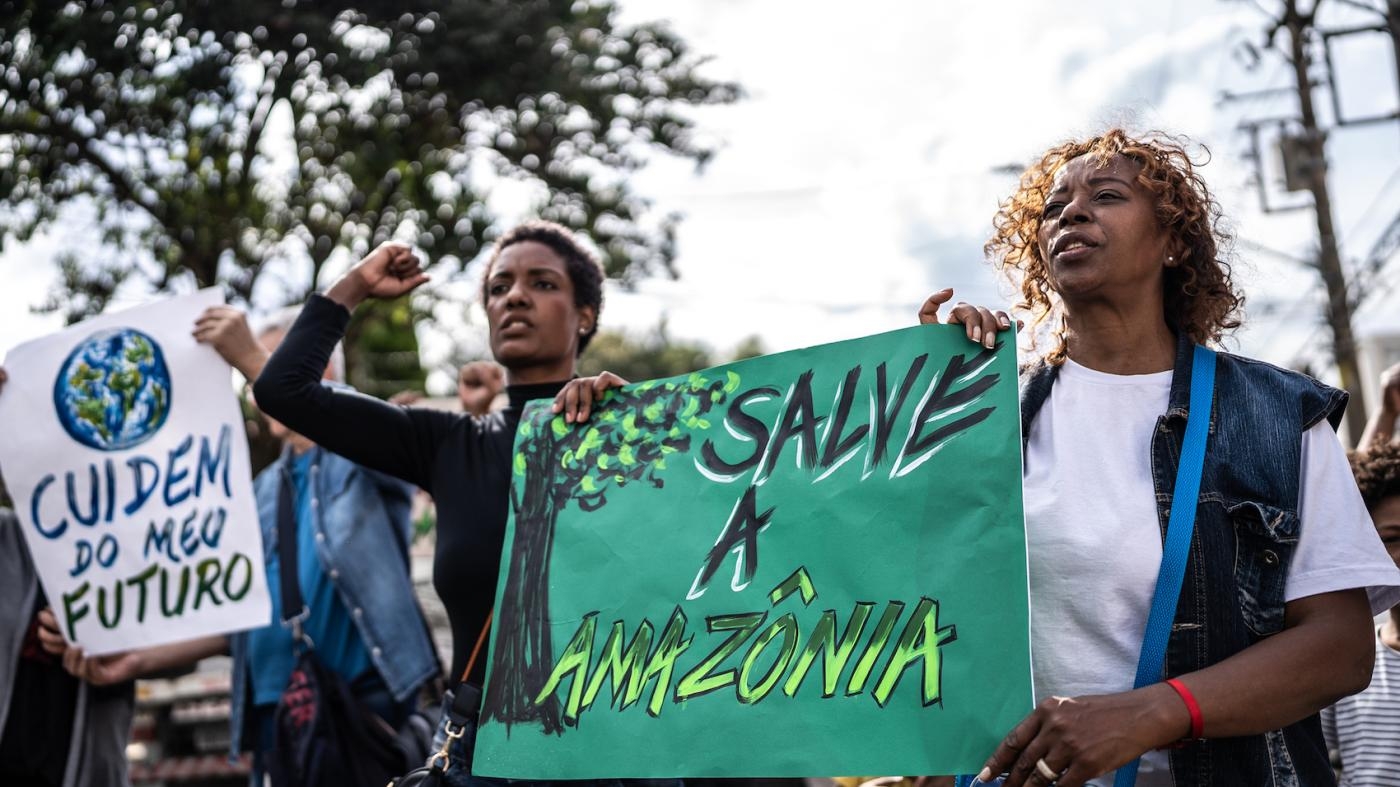
Environmentalists protesting in Brazil emphasize the urgent need for environmental protection and sustainable development, directly supporting SDG 13 (Climate Action), SDG 15 (Life on Land), and SDG 6 (Clean Water and Sanitation).
Summary of Key Sustainable Development Goals Addressed
- SDG 1: No Poverty – Supporting livelihoods through local markets and economic inclusion.
- SDG 2: Zero Hunger – Humanitarian aid efforts in conflict zones.
- SDG 3: Good Health and Well-being – Addressing health through aid and justice.
- SDG 6: Clean Water and Sanitation – Environmental protests advocating for natural resource protection.
- SDG 8: Decent Work and Economic Growth – Highlighting fair labor rights and economic opportunities.
- SDG 9: Industry, Innovation and Infrastructure – Advocating for digital rights and infrastructure access.
- SDG 10: Reduced Inequalities – Promoting indigenous rights and fair labor conditions.
- SDG 11: Sustainable Cities and Communities – Cultural recognition and community development.
- SDG 13: Climate Action – Environmental activism to combat climate change.
- SDG 15: Life on Land – Conservation efforts through environmental protests.
- SDG 16: Peace, Justice and Strong Institutions – Calls for justice, transparency, and human rights accountability.
Conclusion
The protests and humanitarian activities documented in 2025 across various regions underscore the interconnectedness of human rights, justice, and sustainable development. These movements contribute significantly to achieving the Sustainable Development Goals by advocating for peace, equality, environmental protection, and economic inclusion worldwide.
1. Sustainable Development Goals (SDGs) Addressed in the Article
- SDG 16: Peace, Justice and Strong Institutions
- Protests against Rodrigo Duterte and calls for justice for “drug war” victims highlight issues of justice, human rights, and accountability.
- Student protests against corruption and government censorship in Nepal reflect demands for transparent, accountable institutions and freedom of expression.
- SDG 10: Reduced Inequalities
- Protests by marginalized groups such as Aboriginal people in Australia emphasize the need to reduce inequalities and promote inclusion.
- SDG 3: Good Health and Well-being
- Humanitarian aid distribution in Gaza addresses health and well-being in conflict-affected areas.
- SDG 8: Decent Work and Economic Growth
- The image of a food delivery courier in Portugal relates to decent work conditions and economic opportunities.
- SDG 13: Climate Action
- Environmental protests in Brazil highlight the urgency of climate action and environmental protection.
- SDG 1: No Poverty
- Local markets in St Lucia may relate to poverty alleviation and sustainable livelihoods.
2. Specific Targets Under Identified SDGs
- SDG 16: Peace, Justice and Strong Institutions
- Target 16.3: Promote the rule of law at the national and international levels and ensure equal access to justice for all.
- Target 16.6: Develop effective, accountable and transparent institutions at all levels.
- Target 16.10: Ensure public access to information and protect fundamental freedoms.
- SDG 10: Reduced Inequalities
- Target 10.2: Empower and promote the social, economic and political inclusion of all, irrespective of age, sex, disability, race, ethnicity, origin, religion or economic or other status.
- SDG 3: Good Health and Well-being
- Target 3.8: Achieve universal health coverage, including financial risk protection and access to quality essential health-care services.
- SDG 8: Decent Work and Economic Growth
- Target 8.5: Achieve full and productive employment and decent work for all women and men.
- SDG 13: Climate Action
- Target 13.1: Strengthen resilience and adaptive capacity to climate-related hazards and natural disasters.
- SDG 1: No Poverty
- Target 1.2: Reduce at least by half the proportion of men, women and children living in poverty in all its dimensions.
3. Indicators Mentioned or Implied in the Article
- SDG 16 Indicators
- Indicator 16.3.1: Proportion of victims of violence who reported their victimization to competent authorities.
- Indicator 16.6.2: Proportion of the population satisfied with their last experience of public services.
- Indicator 16.10.2: Number of countries that adopt and implement constitutional, statutory and/or policy guarantees for public access to information.
- SDG 10 Indicators
- Indicator 10.2.1: Proportion of people living below 50 per cent of median income, by age, sex and persons with disabilities.
- SDG 3 Indicators
- Indicator 3.8.1: Coverage of essential health services.
- Indicator 3.8.2: Proportion of population with large household expenditures on health as a share of total household expenditure or income.
- SDG 8 Indicators
- Indicator 8.5.2: Unemployment rate, by sex, age and persons with disabilities.
- SDG 13 Indicators
- Indicator 13.1.2: Number of countries with national and local disaster risk reduction strategies.
- SDG 1 Indicators
- Indicator 1.2.1: Proportion of population living below the national poverty line.
4. Table of SDGs, Targets, and Indicators
| SDGs | Targets | Indicators |
|---|---|---|
| SDG 16: Peace, Justice and Strong Institutions |
|
|
| SDG 10: Reduced Inequalities |
|
|
| SDG 3: Good Health and Well-being |
|
|
| SDG 8: Decent Work and Economic Growth |
|
|
| SDG 13: Climate Action |
|
|
| SDG 1: No Poverty |
|
|
Source: hrw.org
What is Your Reaction?
 Like
0
Like
0
 Dislike
0
Dislike
0
 Love
0
Love
0
 Funny
0
Funny
0
 Angry
0
Angry
0
 Sad
0
Sad
0
 Wow
0
Wow
0