





































Improving infant health equity: what have we learned, what do we do – Nature
Report on Improving Infant Health Equity in Neonatal Intensive Care Units (NICUs) with Emphasis on Sustainable Development Goals (SDGs)
Abstract
The United States has seen a substantial decline in neonatal and infant mortality rates over the past six decades. However, significant racial disparities in mortality and other critical outcomes persist, largely influenced by preterm birth risks and inequities in NICU care practices. This report highlights racial inequities in risk-adjusted NICU outcomes, examines current health equity approaches in NICU care, and identifies sustainable strategies aligned with the Sustainable Development Goals (SDGs) to promote equitable care for infants and their families during and after NICU hospitalization.
Background
Infant health outcomes in the United States are significantly affected by racial and ethnic inequities driven by structural, institutional, individual, and internalized factors. These disparities are social constructs rather than biological inevitabilities, emphasizing the need for targeted interventions to achieve health equity, which aligns with SDG 3: Good Health and Well-being and SDG 10: Reduced Inequalities.
Racial and Ethnic Disparities in Infant Mortality
- Despite overall improvements, Black, American Indian/Alaska Native, Native Hawaiian, and Hispanic infants experience higher infant mortality rates compared to White infants.
- In 2023, the Black infant mortality rate was 243% higher than that of White infants, indicating persistent inequities.
- Leading causes of infant death disproportionately affect infants of color, underscoring the need for equitable healthcare access and quality.
Disparities in Infant Outcomes
Infant mortality reflects multiple health conditions and social determinants. Two major contributors to disparities include:
- Differences in risk at birth, such as higher preterm birth rates among Black and Hispanic populations.
- Differences in risk-adjusted mortality after birth, including gestational age-specific mortality.
Efforts to reduce disparities must address both prevention of preterm births and improvement of newborn care quality, supporting SDG 3 and SDG 10.
Neonatal Intensive Care Units: Historical Context and Current Challenges
NICUs, established in the 1960s, have contributed to improved survival rates for critically ill newborns. However, racial disparities in health outcomes remain due to:
- Unequal distribution of high-quality NICU resources.
- Variations in care practices and outcomes within and between NICUs.
- Structural and systemic racism impacting access and quality of care.
Addressing these challenges is critical for achieving SDG 3 and SDG 10, and contributes to SDG 16: Peace, Justice and Strong Institutions by promoting equitable healthcare systems.
Recent Evidence of Disparate Outcomes Within and Between NICUs
- Black and Hispanic infants are more likely to receive care in lower-quality hospitals with higher morbidity and mortality rates.
- Within hospitals, disparities in care processes and outcomes persist, including in antenatal steroids administration, infection rates, and breastfeeding support.
- Access to high-level NICUs is reduced for minoritized populations, limiting risk-appropriate care.
- Quality improvement programs have shown promise in reducing some disparities, but challenges remain, especially in post-discharge outcomes.
Strategies to Address Racial Disparities in NICU Outcomes
Effective strategies to improve NICU health equity include:
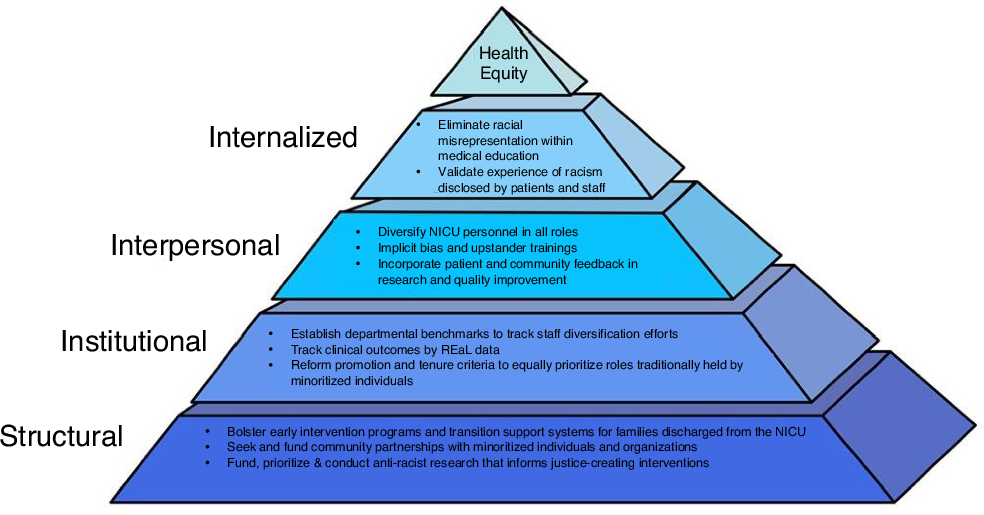
- Implementation of evidence-based, standardized clinical guidelines and quality improvement programs to ensure consistent care for all infants.
- Adoption of the American Academy of Pediatrics (AAP) Standards for Levels of Neonatal Care to ensure institutional commitment to equitable, high-quality care.
- Enhancement of family-centered care with culturally and linguistically appropriate communication, addressing social determinants of health, and educating staff on implicit bias and antiracism.
- Promotion of diversity in NICU staff to improve patient-provider racial concordance and outcomes.
- Development of “follow through” programs that extend care beyond NICU discharge, engaging families and coordinating with community services.
- Integration of antiracism principles into NICU research, education, administration, and community engagement.
- Utilization of data-driven health equity science to monitor disparities, guide interventions, and ensure accountability.
These strategies align with multiple SDGs, including SDG 3, SDG 5: Gender Equality, SDG 10, and SDG 17: Partnerships for the Goals.
Accountability and Collaborative Efforts
Improving infant health equity requires shared responsibility among:
- NICU leadership and healthcare providers.
- Hospital boards, accrediting bodies, and third-party payers.
- Professional organizations such as the American Academy of Pediatrics, American College of Obstetrics and Gynecology, and Neonatal Justice Collaborative.
- Public health agencies and policymakers.
These stakeholders must promote, measure, and advance equity-focused practices to fulfill the commitment to equitable healthcare, supporting SDG 3 and SDG 16.
Conclusion
Significant opportunities exist to enhance health equity in NICUs by elevating care quality, ensuring risk-appropriate care, and applying evidence-based, culturally sensitive practices consistently. Addressing systemic racism and social determinants of health is essential for reducing racial disparities in infant outcomes. Sustained efforts, adequate resources, and multi-sector collaboration are critical to achieving equitable care for all NICU patients and families, thereby advancing the Sustainable Development Goals and promoting a just society.
“There can be no keener revelation of a society’s soul than the way in which it treats its children.” – Nelson Mandela
1. Sustainable Development Goals (SDGs) Addressed in the Article
- SDG 3: Good Health and Well-being
- The article focuses on improving infant health outcomes, reducing neonatal and infant mortality rates, and addressing racial disparities in health care quality and outcomes in neonatal intensive care units (NICUs).
- It emphasizes equitable access to high-quality neonatal care and reducing health inequities among racial and ethnic groups.
- SDG 10: Reduced Inequalities
- The article discusses persistent racial and ethnic disparities in infant mortality and health outcomes, highlighting systemic racism and structural disadvantages.
- It addresses the need for targeted interventions to reduce inequalities in health care access and outcomes for minoritized populations.
- SDG 4: Quality Education
- The article mentions the importance of educating NICU staff on topics such as infant health equity, implicit bias, and antiracism to improve care quality and family engagement.
- SDG 16: Peace, Justice and Strong Institutions
- The article references the impact of historical injustices and systemic racism on health disparities and the importance of advocacy for social justice at various levels.
2. Specific Targets Under the Identified SDGs
- SDG 3: Good Health and Well-being
- Target 3.2: End preventable deaths of newborns and children under 5 years of age, aiming to reduce neonatal mortality to at least as low as 12 per 1,000 live births and under-5 mortality to at least as low as 25 per 1,000 live births.
- Target 3.8: Achieve universal health coverage, including access to quality essential health-care services and access to safe, effective, quality, and affordable essential medicines and vaccines for all.
- Target 3.c: Substantially increase health financing and recruitment, development, training, and retention of the health workforce in developing countries.
- SDG 10: Reduced Inequalities
- Target 10.2: Empower and promote the social, economic, and political inclusion of all, irrespective of race, ethnicity, or other status.
- Target 10.3: Ensure equal opportunity and reduce inequalities of outcome, including by eliminating discriminatory laws, policies, and practices.
- SDG 4: Quality Education
- Target 4.7: Ensure that all learners acquire knowledge and skills needed to promote sustainable development, including human rights, gender equality, and promotion of a culture of peace and non-violence.
- SDG 16: Peace, Justice and Strong Institutions
- Target 16.6: Develop effective, accountable, and transparent institutions at all levels.
- Target 16.b: Promote and enforce non-discriminatory laws and policies for sustainable development.
3. Indicators Mentioned or Implied in the Article to Measure Progress
- Infant Mortality Rate (IMR)
- Number of infant deaths per 1,000 live births, disaggregated by race and ethnicity to monitor disparities.
- Used to gauge overall infant health and progress toward reducing preventable deaths.
- Neonatal Mortality Rate (NMR)
- Number of deaths within the first 28 days of life per 1,000 live births, with racial and ethnic breakdowns.
- Preterm Birth Rate
- Percentage of births before 37 completed weeks of gestation, disaggregated by race and ethnicity.
- Risk-adjusted Mortality and Morbidity Rates
- Gestational age-specific mortality rates and morbidity such as bronchopulmonary dysplasia, necrotizing enterocolitis, retinopathy of prematurity, and intraventricular hemorrhage.
- Used to assess quality of care within and between NICUs.
- Quality of Care Measures
- Process indicators such as antenatal steroid use, hypothermia prevention, timely eye examination, breast milk at discharge, and infection rates.
- Outcome indicators including survival without major morbidity and length of hospital stay.
- Disparity Ratios and Segregation Indices
- Measures of concentration of minoritized infants in lower quality NICUs and differences in outcomes by hospital of birth.
- Follow-up Care Participation Rates
- Rates of attendance in high-risk infant follow-up programs, disaggregated by race and ethnicity.
- Equity-focused Quality Improvement Metrics
- Race-specific NICU outcomes tracked regularly and shared with stakeholders to monitor progress.
4. Table of SDGs, Targets, and Indicators Relevant to the Article
| SDGs | Targets | Indicators |
|---|---|---|
| SDG 3: Good Health and Well-being |
|
|
| SDG 10: Reduced Inequalities |
|
|
| SDG 4: Quality Education |
|
|
| SDG 16: Peace, Justice and Strong Institutions |
|
|
Source: nature.com
What is Your Reaction?
 Like
0
Like
0
 Dislike
0
Dislike
0
 Love
0
Love
0
 Funny
0
Funny
0
 Angry
0
Angry
0
 Sad
0
Sad
0
 Wow
0
Wow
0