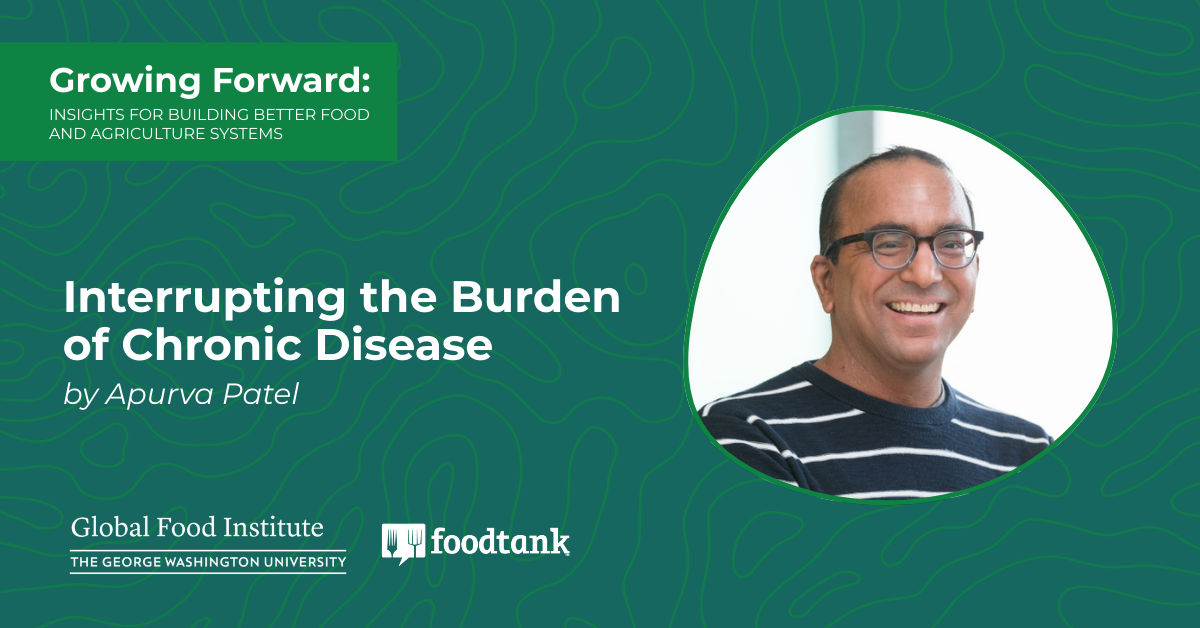
Interrupting the Burden of Chronic Disease – Food Tank
Report on a Multi-Sectoral Partnership to Address Chronic Disease and Advance Sustainable Development Goals
Introduction: The Public Health Challenge and its Relation to the SDGs
The escalating prevalence of chronic non-communicable diseases, including obesity, diabetes, and cardiovascular conditions, presents a significant impediment to the achievement of multiple Sustainable Development Goals (SDGs) in the United States. This public health crisis disproportionately affects vulnerable communities, exacerbating inequalities and undermining progress towards:
- SDG 3 (Good Health and Well-being): The rise in chronic illness directly counters the goal of reducing premature mortality from non-communicable diseases.
- SDG 8 (Decent Work and Economic Growth): Diminished workforce productivity and resilience due to poor health threaten sustainable economic growth.
- SDG 10 (Reduced Inequalities): The concentration of disease burden in marginalized communities highlights and deepens health and economic inequalities.
In response, Novo Nordisk initiated a strategic shift in its social impact strategy in 2022, moving from disease management to a preventative, holistic approach focused on the social determinants of health. This strategy is actualized through “The Interrupt,” a collaborative platform designed to foster multi-sectoral partnerships in alignment with SDG 17 (Partnerships for the Goals).
Strategic Framework: The Interrupt Initiative
A Shift to Proactive, Place-Based Interventions
The revised strategy prioritizes multi-year, place-based programs designed for long-term, sustainable impact. This represents a move away from short-term grants towards larger interventions that address the root causes of poor health, directly supporting SDG 3. The core components of this strategy include:
- Focusing on communities with the highest burden of chronic disease to advance SDG 10.
- Addressing a range of social determinants of health, including access to nutritious food, safe housing, employment, and physical activity.
- Establishing “The Interrupt” as a central platform for collaboration, embodying the principles of SDG 17 by uniting private and non-profit sector organizations.
Core Objectives of The Interrupt
The initiative aims to deliver community-focused programs that address factors influencing health by leveraging the combined expertise and resources of its partners. Key actions are designed to make tangible progress on the following SDGs:
- SDG 2 (Zero Hunger): Supporting urban farms and increasing access to fresh, nutritious food.
- SDG 3 (Good Health and Well-being): Providing health screenings for preventative care and promoting physical activity.
- SDG 8 (Decent Work and Economic Growth): Implementing job training programs to create economic opportunities.
Case Studies: Localized Interventions for Global Goals
Washington, D.C. (Ward 8): An Integrated Model for Community Health
In early 2025, The Interrupt launched a program in Washington, D.C.’s Ward 8, an area with limited access to nutritious food. The intervention, centered at the Washington View housing complex, demonstrates a multi-faceted approach to achieving the SDGs at a local level.
- Contribution to SDG 2: A community farm and a healthy food pantry were established. The pantry has served approximately 600 individuals, distributing over 6,000 pounds of food.
- Contribution to SDG 3: Cooking classes, physical activity programs (e.g., a 3-on-3 basketball league), and health workshops and screenings are provided in partnership with the American Diabetes Association and Black Nurses Rock.
- Contribution to SDG 8: Job training for residents is a key component of the program.
- Contribution to SDG 17: The project is a collaboration with Bank of America, which brings expertise in housing and health access, demonstrating a powerful public-private partnership.
Alabama: Overcoming Systemic Barriers to Health and Nutrition
Through a partnership with The University of Alabama at Birmingham’s (UAB) Live HealthSmart Alabama initiative, The Interrupt is addressing systemic barriers that impede community health.
- Contribution to SDG 3 & SDG 10: Recognizing that lack of transportation is a critical barrier to health equity, Novo Nordisk brought Uber Health into the partnership. The program provides free rides for residents to attend medical appointments, pick up prescriptions, and travel to grocery stores, directly addressing inequalities in access to care and nutrition.
- Contribution to SDG 11 (Sustainable Cities and Communities): Partners such as Alabama Power and Light and Cadell Construction are improving the built environment by enhancing recreation spaces, making them safer and more accessible.
Operational Strategy and Future Outlook
Building Trust and Fostering Collective Impact
A primary operational challenge is building trust within communities skeptical of external interventions. The Interrupt addresses this by working closely with established local organizations and integrating their input. The consistent branding of “The Interrupt” across various programs helps build familiarity and trust. This collaborative model, which prioritizes collective impact over individual brand promotion, is a practical application of SDG 17, breaking down silos to achieve shared goals.
Measurement and Scalability for Sustained SDG Advancement
To ensure long-term success and accountability, The Interrupt has partnered with the Global Food Institute at George Washington University for program evaluation in Washington, D.C. The objective is to develop a robust measurement framework that links multi-interventional programs to community health outcomes and social determinants of health. This data-driven approach will inform the replication and scaling of the model to other communities across the U.S. The ultimate goal is to create a replicable framework for how integrated, whole-health partnerships can effectively turn the tide on chronic diseases and make measurable contributions to the 2030 Agenda for Sustainable Development.
Analysis of Sustainable Development Goals in the Article
1. Which SDGs are addressed or connected to the issues highlighted in the article?
The article highlights several interconnected issues that directly relate to multiple Sustainable Development Goals (SDGs). The primary focus on health, nutrition, and community development links the discussed initiatives to the following SDGs:
- SDG 2: Zero Hunger: The article emphasizes the importance of nutrition in preventing chronic diseases. Initiatives like creating urban farms, launching community food pantries with healthy options, and providing cooking classes are central to improving food security and nutrition, which is a core component of SDG 2. The text states the strategy is to focus on “broadening access to nutritious food.”
- SDG 3: Good Health and Well-being: This is the most prominent SDG in the article. The entire premise is to combat the “rising burden of chronic diseases like obesity, diabetes and cardiovascular disease.” The initiatives described, such as health screenings, promoting physical activity (basketball programs), and removing transportation barriers to medical appointments, directly contribute to promoting health and well-being.
- SDG 8: Decent Work and Economic Growth: The article mentions that the program in Washington D.C.’s Ward 8 includes “job training for residents.” This initiative aims to open up new economic opportunities for community members, directly aligning with the goal of promoting productive employment and decent work.
- SDG 11: Sustainable Cities and Communities: The programs are described as “place-based” and are implemented in specific urban communities like Washington, D.C.’s Ward 8 and cities in Alabama. The efforts to support “urban farms,” improve “recreation spaces,” and address access to “safe and affordable housing” contribute to making urban settlements more inclusive, safe, and sustainable.
- SDG 17: Partnerships for the Goals: The article is a case study in multi-stakeholder partnerships. The initiative “The Interrupt” is explicitly described as a platform for “like-minded organizations across the private and nonprofit sectors to bring about an integrated, whole health approach.” It details collaborations between corporations (Novo Nordisk, Bank of America, Uber Health), non-profits (American Diabetes Association), and academic institutions (George Washington University’s Global Food Institute) to achieve common goals.
2. What specific targets under those SDGs can be identified based on the article’s content?
Based on the specific actions and goals described in the article, several SDG targets can be identified:
- Target 2.1: “By 2030, end hunger and ensure access by all people, in particular the poor and people in vulnerable situations, including infants, to safe, nutritious and sufficient food all year round.” The initiative in Ward 8, which has only one grocery store for 75,000 residents, directly addresses this by establishing a “community farm” and a “food pantry with healthy options.”
- Target 3.4: “By 2030, reduce by one third premature mortality from non-communicable diseases through prevention and treatment and promote mental and physical well-being.” The article’s central mission is to “prevent and slow the tide of disease progression” for chronic illnesses like obesity and diabetes through improved nutrition, physical activity, and preventative care.
- Target 3.8: “Achieve universal health coverage, including financial risk protection, access to quality essential health-care services and access to safe, effective, quality and affordable essential medicines and vaccines for all.” The provision of “health screenings for preventative care” and using Uber Health to remove transportation barriers for residents to get to “medical appointments or the grocery store” are practical steps toward this target.
- Target 8.6: “By 2020, substantially reduce the proportion of youth not in employment, education or training.” The inclusion of “job training programs” and a “3-on-3 basketball program… for young residents” aims to provide skills and engagement, contributing to this target’s objective.
- Target 11.7: “By 2030, provide universal access to safe, inclusive and accessible, green and public spaces, in particular for women and children, older persons and persons with disabilities.” The support for “urban farms” and efforts by partners to make “recreation spaces feel more welcoming through better lighting and easy access” directly align with this target.
- Target 17.17: “Encourage and promote effective public, public-private and civil society partnerships, building on the experience and resourcing strategies of partnerships.” The entire “The Interrupt” model, which brings together companies like Novo Nordisk and Bank of America with non-profits and community groups, is a direct implementation of this target.
3. Are there any indicators mentioned or implied in the article that can be used to measure progress towards the identified targets?
Yes, the article mentions both explicit quantitative indicators and implies the use of qualitative and developmental indicators to measure progress:
- Explicit Quantitative Indicators: The article provides specific data points from the program in Washington D.C.’s Ward 8 that serve as direct indicators of program output and reach.
- Number of pantry visits: “the pantry has seen nearly 400 visits”
- Number of individuals served: “serving approximately 600 individuals”
- Amount of food distributed: “distributing over 6,000 pounds of food”
- Participation in health services: “about 20 residents each month for workshops and screenings”
- Implied and Qualitative Indicators: The article also implies other ways progress is or could be measured.
- Establishment of services: The creation of new resources (“a community farm, a food pantry with healthy options, cooking classes, physical activity and job training”) is an indicator of progress in building community infrastructure.
- Community trust: The article notes that a key challenge is “building trust,” implying that measures of community perception and engagement are important indicators of success.
- Development of a measurement framework: The partnership with GW’s Global Food Institute is explicitly for evaluation, aiming to “establish a multi-SDOH measurement approach tied to community health.” This indicates a plan to develop a comprehensive set of indicators to measure long-term impact on health outcomes.
- National health statistics: The article opens by citing national-level indicators like “Adult obesity rates” and “the number of Americans with diabetes” as the baseline problems the initiatives aim to address. Reductions in these rates at the community level would be the ultimate indicator of success.
4. Summary Table of SDGs, Targets, and Indicators
| SDGs | Targets | Indicators Identified in the Article |
|---|---|---|
| SDG 2: Zero Hunger | 2.1: Ensure access to safe, nutritious and sufficient food. | Number of pantry visits (400); Individuals served by pantry (600); Pounds of food distributed (6,000+); Establishment of a community farm and food pantry. |
| SDG 3: Good Health and Well-being | 3.4: Reduce premature mortality from non-communicable diseases (NCDs). 3.8: Achieve universal health coverage. |
Number of residents attending health workshops and screenings (20/month); Establishment of physical activity programs (basketball); Provision of free transportation for medical appointments. |
| SDG 8: Decent Work and Economic Growth | 8.6: Reduce the proportion of youth not in employment, education or training. | Establishment of job training programs for residents. |
| SDG 11: Sustainable Cities and Communities | 11.7: Provide universal access to safe, inclusive and accessible, green and public spaces. | Creation of urban farms; Improvements to make recreation spaces more welcoming (better lighting, easy access). |
| SDG 17: Partnerships for the Goals | 17.17: Encourage and promote effective public-private and civil society partnerships. | Formation of “The Interrupt” partnership (Novo Nordisk, Bank of America, Uber Health, ADA, GWU, etc.); Development of a shared measurement approach. |
Source: foodtank.com
What is Your Reaction?
 Like
0
Like
0
 Dislike
0
Dislike
0
 Love
0
Love
0
 Funny
0
Funny
0
 Angry
0
Angry
0
 Sad
0
Sad
0
 Wow
0
Wow
0



;Resize=620#)