
























































Kulik: Shapiro’s budget address seeks investments in education, affordable housing – West Hills Gazette
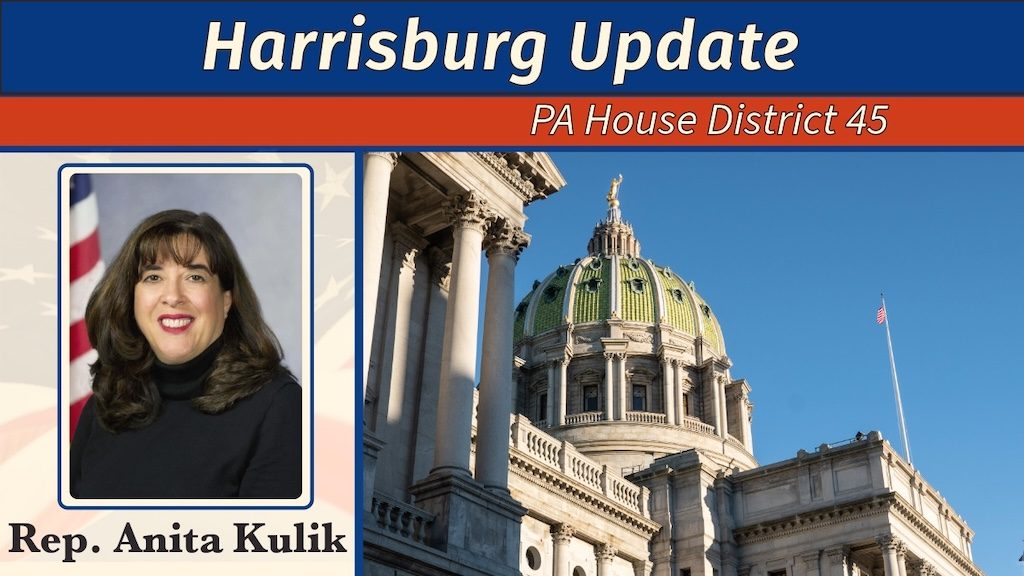
Governor’s Budget Address and Its Alignment with Sustainable Development Goals (SDGs)
Overview of the Budget Address Event
Each year, the Capitol experiences high attendance on specific days, notably Swearing-In Day and the governor’s budget address day, which occurs on the first Tuesday in February. The budget address attracts a diverse group including legislators, lobbyists, government consultants, citizen groups, and representatives from various sectors across the commonwealth. These stakeholders eagerly anticipate the governor’s budget proposal to advocate for their interests and seek legislative support.
The Budget Process and Political Context
The governor’s proposed budget marks the commencement of a complex budget process. Last year’s budget was finalized late, in November, well past the June 30 deadline. Given that this is a midterm election year featuring the gubernatorial election, concerns exist about potential delays in budget approval due to political agendas. Timely budget approval is critical for the welfare of the commonwealth.
Highlights of the Governor’s Budget Proposal
- Economic Growth and Investment
The governor emphasized positive economic growth in Pennsylvania, highlighting significant investments by new and established corporations, which signal promising future development.
- Increased Spending and Education Investment
The proposed budget includes an approximate 5% increase in spending, with enhanced funding across all education levels, supporting SDG 4: Quality Education.
- Minimum Wage Increase
The governor proposed raising the minimum wage from $7.25, which is currently the lowest among neighboring states. This initiative supports SDG 8: Decent Work and Economic Growth by aiming to reduce poverty and reliance on government assistance, thereby benefiting the economy.
- Affordable Housing Investment
Addressing rising housing costs, the budget prioritizes affordable housing development, contributing to SDG 11: Sustainable Cities and Communities by promoting home ownership and community stability.
- Tax Credits and Business Growth
The continuation and potential increase of tax credits, including the child care tax credit, alongside a gradual reduction in corporate tax rates, aim to foster business competitiveness and support families, aligning with SDG 1: No Poverty and SDG 8.
- Revenue Generation Proposals
The governor suggested exploring new revenue sources such as taxes on skill games and legalizing adult-use cannabis to enhance state finances sustainably.
- Support for Public Services and Environment
Additional funding for teachers, first responders, environmental initiatives, and infrastructure reflects commitments to SDG 3: Good Health and Well-being, SDG 9: Industry, Innovation, and Infrastructure, and SDG 13: Climate Action.
Commitment to Timely Budget Negotiations
Following the budget address, the governor promptly engaged with House and Senate leaders to initiate budget negotiations. Achieving a budget agreement by the June 30 deadline is essential to ensure continued support for citizens, schools, and local communities, thereby advancing multiple SDGs through effective governance.
Conclusion
- The governor’s budget proposal demonstrates a comprehensive approach to economic growth, social equity, and environmental sustainability.
- Emphasis on raising the minimum wage, investing in education and affordable housing, and supporting public services aligns closely with the United Nations Sustainable Development Goals.
- Timely budget approval remains a priority to fulfill commitments to the commonwealth’s development and well-being.
1. Sustainable Development Goals (SDGs) Addressed or Connected
- SDG 1: No Poverty – The article discusses raising the minimum wage to help workers earn a living wage and reduce reliance on government assistance.
- SDG 3: Good Health and Well-being – Investment in first responders and health-related infrastructure is mentioned.
- SDG 4: Quality Education – Increased investment in all levels of education is highlighted.
- SDG 8: Decent Work and Economic Growth – Economic growth, business investments, raising minimum wage, and corporate tax policies are discussed.
- SDG 9: Industry, Innovation and Infrastructure – Infrastructure investments and encouragement of business growth are mentioned.
- SDG 11: Sustainable Cities and Communities – Investment in affordable housing and strengthening neighborhoods is emphasized.
- SDG 13: Climate Action – Environmental investments are referenced.
2. Specific Targets Under Those SDGs
- SDG 1 – Target 1.2: Reduce poverty by ensuring social protection and increasing income through minimum wage adjustments.
- SDG 3 – Target 3.d: Strengthen capacity for early warning, risk reduction and management, including support for first responders.
- SDG 4 – Target 4.a: Build and upgrade education facilities that are child, disability and gender sensitive.
- SDG 8 – Target 8.5: Achieve full and productive employment and decent work for all, including equal pay for work of equal value.
- SDG 8 – Target 8.3: Promote development-oriented policies that support productive activities and entrepreneurship.
- SDG 9 – Target 9.1: Develop quality, reliable, sustainable and resilient infrastructure.
- SDG 11 – Target 11.1: Ensure access for all to adequate, safe and affordable housing and basic services.
- SDG 13 – Target 13.1: Strengthen resilience and adaptive capacity to climate-related hazards.
3. Indicators Mentioned or Implied to Measure Progress
- Minimum Wage Level: Current minimum wage is $7.25; progress can be measured by increases in this wage and comparison with surrounding states.
- Government Assistance Dependency: Number of people relying on government assistance before and after wage increases.
- Investment in Education: Budget allocation amounts for education at all levels.
- Affordable Housing Availability: Number of affordable homes built or available for purchase.
- Economic Growth Indicators: Investments by corporations, business growth rates, and corporate tax rates.
- Support for First Responders: Budget or resources allocated to first responders.
- Environmental Investment: Funding directed to environmental projects and infrastructure improvements.
- Budget Timeliness: Whether the budget is finalized by the June 30 deadline.
4. Table of SDGs, Targets and Indicators
| SDGs | Targets | Indicators |
|---|---|---|
| SDG 1: No Poverty | Target 1.2: Reduce poverty by increasing income and social protection. | Minimum wage level; Government assistance dependency rates. |
| SDG 3: Good Health and Well-being | Target 3.d: Strengthen capacity for risk management and support first responders. | Budget allocation for first responders; Number of first responders supported. |
| SDG 4: Quality Education | Target 4.a: Upgrade education facilities and increase investment. | Education budget amounts; Number of facilities upgraded. |
| SDG 8: Decent Work and Economic Growth |
Target 8.5: Achieve full and productive employment and decent work. Target 8.3: Promote policies supporting productive activities and entrepreneurship. |
Corporate investments; Corporate tax rates; Employment rates; Minimum wage levels. |
| SDG 9: Industry, Innovation and Infrastructure | Target 9.1: Develop sustainable and resilient infrastructure. | Infrastructure investment amounts; Quality and sustainability measures of infrastructure. |
| SDG 11: Sustainable Cities and Communities | Target 11.1: Ensure access to adequate, safe and affordable housing. | Number of affordable homes built; Housing price trends. |
| SDG 13: Climate Action | Target 13.1: Strengthen resilience and adaptive capacity to climate hazards. | Environmental investment amounts; Implementation of climate resilience projects. |
Source: westhillsgazette.com
What is Your Reaction?
 Like
0
Like
0
 Dislike
0
Dislike
0
 Love
0
Love
0
 Funny
0
Funny
0
 Angry
0
Angry
0
 Sad
0
Sad
0
 Wow
0
Wow
0