
















Marine Reserve Rules Reminder As Summer Heats Up – Mirage News
Report on Marine Reserve Compliance and Contribution to Sustainable Development Goal 14
1.0 Introduction
This report details compliance with regulations within New Zealand’s 44 marine reserves, particularly during the peak summer season. It analyzes trends in violations and highlights the critical role of these protected areas in achieving the United Nations’ Sustainable Development Goal 14 (SDG 14), which aims to conserve and sustainably use the oceans, seas, and marine resources for sustainable development.
2.0 Marine Reserves and Alignment with SDG 14: Life Below Water
New Zealand’s network of marine reserves is a primary mechanism for meeting key SDG 14 targets. By establishing no-take zones, these reserves directly contribute to SDG Target 14.2 (sustainably manage and protect marine and coastal ecosystems) and SDG Target 14.5 (conserve at least 10 per cent of coastal and marine areas). The regulations are designed to allow marine ecosystems to thrive as interconnected systems, free from human extraction and disturbance.
2.1 Regulatory Framework
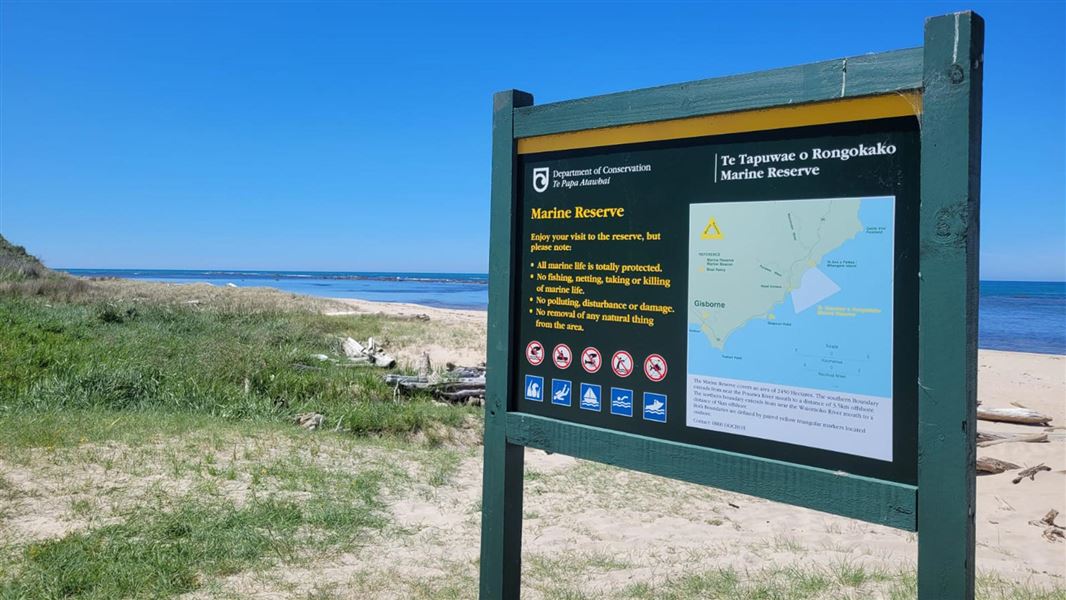
To ensure the protection of marine biodiversity and ecosystem health, the following activities are strictly prohibited within all marine reserves:
- Fishing of any kind.
- The taking or damaging of any marine life, including shellfish and seaweed.
- The removal of any natural materials, such as shells or rocks.
- The pollution or contamination of the marine environment.
- The feeding of fish, which can disrupt natural behaviours.
3.0 Analysis of Non-Compliance Incidents
Recent data indicates a concerning increase in violations of marine reserve regulations, posing a direct threat to the achievement of SDG 14. These actions undermine conservation efforts and the sustainable management of marine resources.
3.1 Statistical Overview
- During the 2024-25 summer season, 24 cases of rule breaches were officially reported.
- Analysis over the past five years shows that 67% of all reported offences occurred between 1 October and 30 March.
- A significant concentration of these offences, ranging from 16% to 27%, took place during the Christmas holiday period (25 December to 5 January).
- Other recorded incidents include the placement of crayfish pots just inside reserve boundaries and recreational trolling.
4.0 Case Studies of Significant Breaches
The following cases from the 2024-25 season illustrate the serious and diverse nature of the offending, which directly contravenes the principles of SDG 14.
- Te Whanganui-o-Hei Marine Reserve (October 2024): A group illegally harvested a large quantity of marine life, including 1,025 cat’s eyes, 131 whelks, 12 kina, and various other species. This large-scale removal of biomass is a severe blow to local ecosystem integrity.
- Te Whanganui-o-Hei Marine Reserve (February 2025): Two kayak fishers illegally took 17 snapper, a goatfish, a pigfish, and a blue cod. The catch included four undersized fish, a violation that directly opposes SDG Target 14.4, which seeks to end overfishing and illegal fishing.
- Taputeranga Marine Reserve (February 2025): A diver illegally collected a mixed bag of six kina, nine pāua, one butterfish, one wrasse, and nine crayfish, demonstrating a clear intent to exploit a protected ecosystem.
- Horoirangi Marine Reserve (February 2025): Two individuals were apprehended after landing eight blue cod taken from within the reserve, undermining efforts to protect local fish populations.
5.0 Enforcement and Public Responsibility
Effective governance and public cooperation are essential to upholding environmental law, a principle reflected in SDG 16 (Peace, Justice and Strong Institutions). The Department of Conservation (DOC) employs a multi-faceted approach to ensure compliance.
5.1 Institutional Response and Enforcement
- DOC utilises a range of enforcement tools, from education and warnings for minor infractions to prosecution and potential imprisonment for serious breaches.
- Rangers actively patrol reserves to educate boaters and fishers on boundary locations to prevent accidental incursions.
- Information on reserve locations and rules is made widely available online, via the MarineMate app, and through signage at key access points.
5.2 Public Reporting Protocol
- The public is encouraged to act as stewards for marine reserves by reporting suspected illegal activity.
- Reports can be made to the 0800 DOC HOT hotline.
- Key information for reporting includes details of vessels, descriptions of individuals, location, time, and the nature of the activity. Photographic and video evidence is highly valuable.
Analysis of Sustainable Development Goals in the Article
1. Which SDGs are addressed or connected to the issues highlighted in the article?
The article primarily addresses issues related to the conservation of marine environments and the enforcement of regulations, which directly connect to the following Sustainable Development Goals (SDGs):
-
SDG 14: Life Below Water
This is the most relevant SDG, as the article’s central theme is the protection of marine life and ecosystems within New Zealand’s 44 marine reserves. It discusses the rules against fishing, damaging marine life, and pollution, all of which are fundamental to conserving and sustainably using the oceans, seas, and marine resources.
-
SDG 16: Peace, Justice and Strong Institutions
This SDG is also relevant because the article highlights the legal framework and institutional roles involved in protecting marine reserves. It discusses the rules, the enforcement actions taken by the Department of Conservation (DOC), such as fines and prosecution, and the importance of public participation in reporting illegal activities. This relates to building effective, accountable institutions and ensuring public access to justice.
2. What specific targets under those SDGs can be identified based on the article’s content?
Based on the article’s content, several specific targets under SDG 14 and SDG 16 can be identified:
-
Target 14.2: By 2020, sustainably manage and protect marine and coastal ecosystems to avoid significant adverse impacts.
- Explanation: The article is entirely focused on the management and protection of New Zealand’s 44 marine reserves. The rules described—”no fishing, no taking or damaging any marine life, no removal of natural materials, no polluting”—are direct actions aimed at protecting these ecosystems from adverse human impacts.
-
Target 14.4: By 2020, effectively regulate harvesting and end overfishing, illegal, unreported and unregulated (IUU) fishing.
- Explanation: The article’s main concern is the “noticeable spike in rule breaches,” specifically illegal fishing and harvesting inside protected areas. It provides numerous examples, such as people catching blue cod, kina, pāua, and snapper within reserve boundaries, which are clear instances of illegal fishing that this target aims to eliminate.
-
Target 14.5: By 2020, conserve at least 10 per cent of coastal and marine areas.
- Explanation: The article explicitly states that “There are 44 marine reserves around the country.” The establishment and maintenance of these reserves are a direct contribution to achieving this target of conserving coastal and marine areas.
-
Target 16.6: Develop effective, accountable and transparent institutions at all levels.
- Explanation: The article describes the role of the Department of Conservation (DOC) as the institution responsible for managing and enforcing marine reserve rules. The mention of rangers, educational efforts (“we’d much rather educate fishers”), and enforcement tools (“fines,” “prosecution,” “jail sentences”) demonstrates the functioning of an institution tasked with upholding environmental law.
-
Target 16.7: Ensure responsive, inclusive, participatory and representative decision-making at all levels.
- Explanation: The article actively encourages public participation in law enforcement by urging people to report suspicious activities. The call to action, “anyone who sees or suspects illegal activity in a marine reserve should call 0800 DOC HOT,” is a mechanism for inclusive and participatory governance, making the public a partner in protecting the reserves.
3. Are there any indicators mentioned or implied in the article that can be used to measure progress towards the identified targets?
Yes, the article mentions and implies several quantitative and qualitative indicators that can be used to measure progress:
- Number of marine protected areas: The article explicitly states there are “44 marine reserves around the country.” This is a direct indicator for Target 14.5, measuring the extent of conserved marine areas.
-
Number and trend of illegal activities: The article provides specific data on offenses, which serves as an indicator for the effectiveness of regulations under Target 14.4. Examples include:
- “24 reported cases where marine reserve rules were broken” in summer 2024-25.
- “67 per cent of all reported offences over the past five years occurred between 1 October and 30 March.”
- “more than 200 alleged incidents of people taking fish from marine reserves.”
- Volume and type of illegally harvested marine life: The detailed accounts of confiscated catches (e.g., “eight blue cod,” “six kina, nine pāua…nine crayfish,” “131 whelks, and 1,025 cat’s eyes”) serve as a qualitative and quantitative indicator of the scale and nature of illegal harvesting.
- Number of public reports of illegal activity: The encouragement to call “0800 DOC HOT” implies that the number of calls received from the public is a key indicator of community engagement and the effectiveness of participatory enforcement efforts (Target 16.7).
- Number and type of enforcement actions: The mention of DOC’s “enforcement tools,” including “a hefty fine,” “prosecution and even jail sentences,” implies that the number of fines issued, cases prosecuted, and convictions secured are used as indicators of institutional effectiveness (Target 16.6).
4. Summary Table of SDGs, Targets, and Indicators
| SDGs | Targets | Indicators Identified in the Article |
|---|---|---|
| SDG 14: Life Below Water | 14.2: Sustainably manage and protect marine and coastal ecosystems. |
|
| SDG 14: Life Below Water | 14.4: End illegal, unreported and unregulated fishing. |
|
| SDG 14: Life Below Water | 14.5: Conserve at least 10% of coastal and marine areas. |
|
| SDG 16: Peace, Justice and Strong Institutions | 16.6: Develop effective, accountable and transparent institutions. |
|
| SDG 16: Peace, Justice and Strong Institutions | 16.7: Ensure responsive, inclusive, and participatory decision-making. |
|
Source: miragenews.com
What is Your Reaction?
 Like
0
Like
0
 Dislike
0
Dislike
0
 Love
0
Love
0
 Funny
0
Funny
0
 Angry
0
Angry
0
 Sad
0
Sad
0
 Wow
0
Wow
0