




































Australia is doing absolutely everything to the Great Barrier Reef — except the one thing that matters – vox.com

Report on the Conservation Efforts and Challenges of the Great Barrier Reef
Introduction
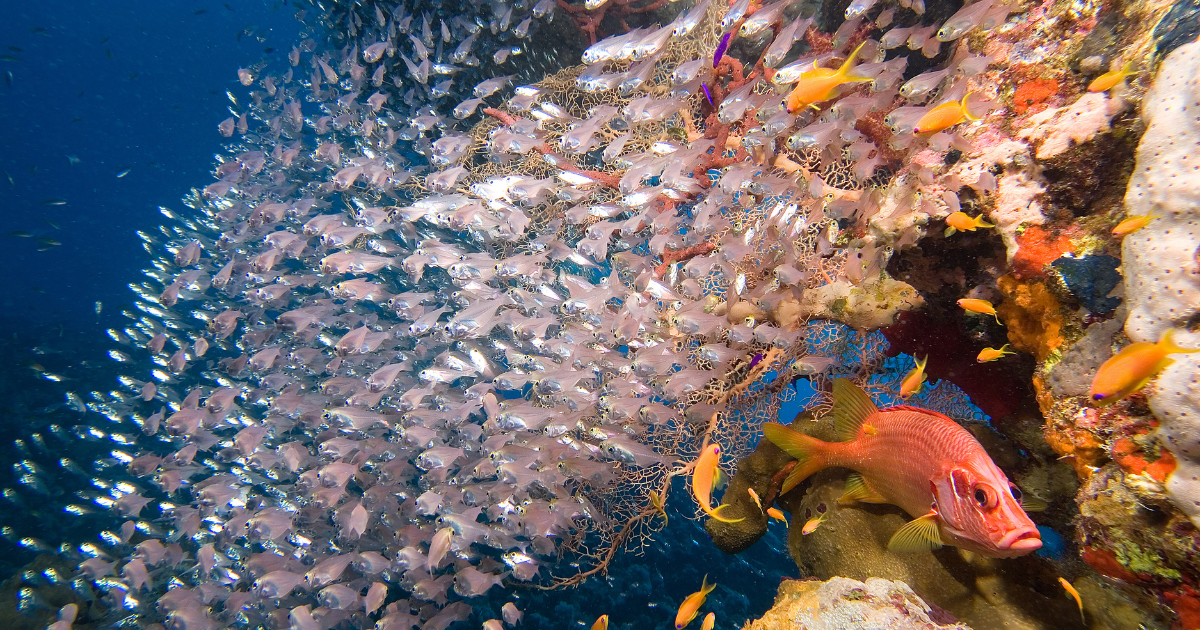
The Great Barrier Reef, located off the coast of northern Queensland, Australia, is the largest living structure on Earth, encompassing approximately 133,000 square miles and consisting of around 3,000 individual reefs. This World Heritage site supports a diverse ecosystem, including over 450 species of hard coral and more than 1,600 fish species, and plays a vital role in Australia’s $5.3 billion annual reef tourism industry.
Coral Spawning and Ecological Significance
Each year, shortly after the full moon in the Australian summer, millions of corals engage in a mass spawning event, releasing bundles of sperm and eggs into the water. This natural reproductive process is critical for the regeneration and sustainability of coral populations.
- Coral spawn is collected by scientists using specialized methods, including surface skimming and floating pools.
- The collected spawn is used to cultivate baby corals both at sea and in research aquariums.
Threats to the Great Barrier Reef
The reef faces existential threats primarily due to climate change-induced marine heatwaves, which cause coral bleaching and mortality. Other challenges include cyclones, agricultural runoff, and predation by crown-of-thorn starfish.
- Marine heat stress leads to the loss of symbiotic algae in coral polyps, causing bleaching and starvation.
- Frequent mass bleaching events have resulted in significant coral cover decline, with projections indicating a potential loss of over 50% in the next 15 years under all emissions scenarios.
- Recovery is hindered by the increasing prevalence of “weedy” coral species that are more vulnerable to environmental stressors.
Reef Restoration and Adaptation Program (RRAP)
In response to these threats, the Australian government launched the Reef Restoration and Adaptation Program (RRAP) in 2018, aiming to develop and scale tools to help the reef adapt to warming oceans.
- RRAP involves over 300 scientists and experts across more than 20 institutions, supported by nearly $300 million in funding.
- Key strategies include assisted reproduction (“coral IVF”) to increase coral larvae survival and breeding heat-tolerant corals both at sea and in the National Sea Simulator (SeaSim) aquarium.
- RRAP aims to stock the reef with 100 million corals annually that survive to at least one year of age.
Assisted Reproduction Techniques
Assisted reproduction efforts focus on enhancing coral fertility and resilience:
- Collection of coral spawn from regions exhibiting heat tolerance.
- Use of floating pools with ceramic structures for larval settlement and growth.
- Laboratory breeding at SeaSim using autospawner tanks that mimic natural conditions.
- Introduction of heat-adapted symbiotic algae to increase coral resistance to warming.
Challenges and Limitations
Despite the scale and innovation of RRAP, significant challenges remain:
- The program does not address the root cause of reef decline: rising greenhouse gas emissions.
- Frequent bleaching events reduce coral recovery time, undermining ecosystem resilience.
- Some reef conservation and tourism sectors under-communicate the climate threat, limiting public awareness and advocacy.
- Funding from mining and energy companies raises concerns about conflicts of interest and the adequacy of emissions reductions.
Climate Change and Policy Context
Climate change is the primary existential threat to coral reefs globally, including the Great Barrier Reef. Australia’s per-capita emissions rank among the highest worldwide, and government policies have been criticized for insufficiently addressing emissions linked to fossil fuel projects.
- The Albanese government has approved extensions of major gas projects contributing significantly to national carbon footprints.
- Existing policies like the Safeguard Mechanism limit only direct emissions, excluding exported gas emissions.
- Calls for urgent, steep emissions reductions align with Sustainable Development Goal (SDG) 13: Climate Action.
Integration with Sustainable Development Goals (SDGs)
The conservation efforts and challenges of the Great Barrier Reef relate directly to several SDGs:
- SDG 13: Climate Action – Urgent reduction of greenhouse gas emissions is critical to prevent further reef degradation.
- SDG 14: Life Below Water – Protecting and restoring marine ecosystems like coral reefs supports biodiversity and sustainable fisheries.
- SDG 8: Decent Work and Economic Growth – The reef supports tourism and fishing industries vital to local economies and Indigenous livelihoods.
- SDG 17: Partnerships for the Goals – RRAP exemplifies multi-stakeholder collaboration involving scientists, Indigenous peoples, government, and private sectors.
Role of Indigenous Peoples and Community Engagement
Indigenous Australians, including the Gunggandji peoples, have a longstanding relationship with the reef and are active partners in conservation efforts.
- RRAP collaborates with First Nations peoples to integrate traditional knowledge and stewardship.
- Indigenous communities rely on the reef for food and cultural practices, linking conservation to social sustainability.
Conclusion and Recommendations
The Great Barrier Reef remains a vibrant and vital ecosystem but faces unprecedented threats from climate change. While restoration programs like RRAP provide hope and tangible support for reef resilience, they must be complemented by immediate and substantial global and national climate actions to reduce emissions.
- Enhance communication and education within the tourism industry to raise awareness of climate impacts and promote sustainable practices.
- Strengthen government policies to address all sources of emissions, including exported fossil fuels.
- Increase investment in both reef restoration and climate mitigation to align with SDGs and ensure long-term reef survival.
- Support Indigenous-led conservation initiatives to foster inclusive and effective stewardship.
Only through integrated efforts addressing both local restoration and global climate action can the Great Barrier Reef be preserved for future generations, contributing to the achievement of the United Nations Sustainable Development Goals.
1. Sustainable Development Goals (SDGs) Addressed in the Article
- SDG 13: Climate Action
- The article emphasizes the urgent need to reduce carbon emissions to save the Great Barrier Reef from collapse due to climate change-induced marine heat and bleaching events.
- SDG 14: Life Below Water
- The focus on coral reef conservation, restoration efforts, and sustainable management of marine ecosystems directly relates to protecting and sustainably using the oceans, seas, and marine resources.
- SDG 12: Responsible Consumption and Production
- The article touches on the tourism industry’s role and the need for sustainable practices, including reducing emissions associated with tourism activities.
- SDG 15: Life on Land
- Indigenous peoples’ involvement and traditional knowledge in reef conservation highlight the importance of sustainable use of terrestrial and marine ecosystems.
- SDG 7: Affordable and Clean Energy
- Reference to Australia’s investments in renewable energy projects and clean energy initiatives to combat climate change.
2. Specific Targets Under the Identified SDGs
- SDG 13: Climate Action
- Target 13.2: Integrate climate change measures into national policies, strategies, and planning.
- Target 13.3: Improve education, awareness-raising, and human and institutional capacity on climate change mitigation, adaptation, impact reduction, and early warning.
- SDG 14: Life Below Water
- Target 14.2: Sustainably manage and protect marine and coastal ecosystems to avoid significant adverse impacts.
- Target 14.5: Conserve at least 10% of coastal and marine areas.
- Target 14.7: Increase the economic benefits to Small Island developing States and least developed countries from the sustainable use of marine resources.
- SDG 12: Responsible Consumption and Production
- Target 12.8: Ensure that people everywhere have the relevant information and awareness for sustainable development and lifestyles in harmony with nature.
- SDG 15: Life on Land
- Target 15.2: Promote the implementation of sustainable management of all types of forests, halt deforestation, restore degraded forests.
- Target 15.a: Mobilize significant resources to conserve and sustainably use biodiversity and ecosystems.
- SDG 7: Affordable and Clean Energy
- Target 7.2: Increase substantially the share of renewable energy in the global energy mix.
3. Indicators Mentioned or Implied in the Article
- Coral Cover and Health
- Percentage of reef area covered by hard coral (e.g., AIMS reports on coral cover and bleaching events).
- Frequency and severity of coral bleaching events.
- Survival rate of coral embryos and larvae after restoration efforts.
- Carbon Emissions
- National greenhouse gas emissions levels, including Scope 1 emissions and exported emissions.
- Emission limits set by policies such as Australia’s Safeguard Mechanism.
- Restoration Efforts
- Number of coral embryos produced and successfully reseeded onto reefs (e.g., RRAP’s goal of 100 million corals surviving to 1 year old annually).
- Number of ceramic structures deployed for coral reseeding.
- Tourism Industry Engagement
- Extent of climate change messaging and education provided by tourism operators.
- Tourism revenue linked to reef health and visitor perceptions.
- Renewable Energy Projects
- Number and scale of renewable energy projects approved and operational.
- Government investment in clean energy initiatives.
4. Table of SDGs, Targets, and Indicators
| SDGs | Targets | Indicators |
|---|---|---|
| SDG 13: Climate Action |
|
|
| SDG 14: Life Below Water |
|
|
| SDG 12: Responsible Consumption and Production |
|
|
| SDG 15: Life on Land |
|
|
| SDG 7: Affordable and Clean Energy |
|
|
Source: vox.com
What is Your Reaction?
 Like
1
Like
1
 Dislike
0
Dislike
0
 Love
0
Love
0
 Funny
0
Funny
0
 Angry
0
Angry
0
 Sad
0
Sad
0
 Wow
1
Wow
1