
















Monroe City receives grant money to study drinking water – Muddy River News

Monroe City’s Proactive Water Management Aligns with Sustainable Development Goals
Executive Summary
The City of Monroe, Missouri, has initiated a proactive engineering study of its municipal water supply, a measure directly supporting the United Nations Sustainable Development Goals (SDGs), particularly SDG 6 (Clean Water and Sanitation). By securing a grant to assess and address emerging contaminants, the city is taking preventative action to ensure the long-term safety and quality of its drinking water for all residents.
Project Funding and Scope
- Grant Acquisition: A grant of $62,500 was secured from the Missouri Department of Natural Resources (DNR) through its Drinking Water Emerging Contaminant Grant program.
- Financial Partnership: The project is co-funded by the U.S. Environmental Protection Agency, demonstrating a multi-level governmental commitment.
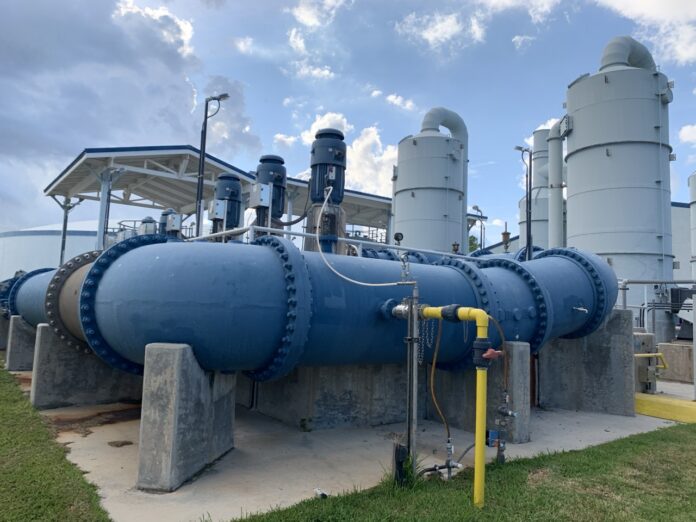
- Objective: To commission an engineering study by Klinger and Associates to examine the water supply from the Route J reservoir.
- Focus Area: The study will identify potential system improvements and alternate water sources to mitigate risks from emerging contaminants, defined as unregulated substances suspected of posing health risks.
Direct Contribution to SDG 6: Clean Water and Sanitation
This initiative is a direct implementation of efforts to achieve universal access to safe and affordable drinking water, a core objective of SDG 6.
- Target 6.1: By taking preemptive measures while its drinking water currently meets quality standards, Monroe City is working to guarantee future access to safe water, aligning with the goal of ensuring sustainable water management for all.
- Water Quality Management: The focus on identifying and addressing emerging contaminants before they become regulated problems demonstrates an advanced approach to water quality management, safeguarding the community’s primary water source.
Supporting Health, Community Resilience, and Partnerships
The project’s impact extends beyond water quality, contributing to several interconnected SDGs.
- SDG 3 (Good Health and Well-being): This initiative safeguards public health by preventing potential illnesses from water contamination, aligning with targets to reduce illnesses from hazardous chemicals and pollution.
- SDG 11 (Sustainable Cities and Communities): For a small community with limited revenue streams, this forward-thinking investment in critical infrastructure enhances resilience and ensures the continued provision of essential services.
- SDG 17 (Partnerships for the Goals): The project exemplifies a successful multi-stakeholder partnership essential for achieving sustainable development.
Implementation and Stakeholder Collaboration (SDG 17)
The project’s success relies on a collaborative framework involving multiple partners:
- Local Government: The City of Monroe, led by Mayor Ronnie Miller, initiated the project.
- State Agency: The Missouri Department of Natural Resources (DNR) provided the primary grant and technical oversight.
- Federal Agency: The U.S. Environmental Protection Agency contributed funding.
- Private Sector: The engineering firm Klinger and Associates is conducting the technical assessment.
Current Status
The engineering study is currently underway. This initiative serves as a model for how local municipalities can leverage partnerships to proactively manage resources, protect public health, and contribute directly to the global Sustainable Development Goals.
1. Which SDGs are addressed or connected to the issues highlighted in the article?
The article highlights issues directly related to several Sustainable Development Goals (SDGs). The primary focus is on ensuring safe drinking water, which also connects to building resilient community infrastructure and fostering partnerships to achieve these goals. The following SDGs are addressed:
- SDG 6: Clean Water and Sanitation: This is the most prominent SDG in the article. The entire initiative, funded by the DNR’s Drinking Water Emerging Contaminant Grant program, is centered on assessing and ensuring the safety of Monroe City’s drinking water supply.
- SDG 11: Sustainable Cities and Communities: The article discusses proactive measures to maintain and improve essential public services (water supply) for a community. By securing a grant to study and potentially upgrade the water system, the city is working to ensure its infrastructure is resilient and can provide safe services to its citizens.
- SDG 17: Partnerships for the Goals: The project described is a clear example of a multi-level partnership. It involves the local government (Monroe City), a state agency (Department of Natural Resources), and a federal agency (U.S. Environmental Protection Agency) all collaborating to achieve a common goal.
2. What specific targets under those SDGs can be identified based on the article’s content?
Based on the actions and goals described in the article, several specific SDG targets can be identified:
SDG 6: Clean Water and Sanitation
- Target 6.1: “By 2030, achieve universal and equitable access to safe and affordable drinking water for all.” The article states that Monroe City’s water “meets quality standards,” and Mayor Miller’s proactive approach aims to “get ahead of the curve” to keep it that way. The entire project is focused on maintaining access to safe drinking water for the city’s residents.
- Target 6.3: “By 2030, improve water quality by reducing pollution…and minimizing release of hazardous chemicals and materials…” The grant program specifically targets “emerging contaminants,” which are defined as substances that “pose risks to human health.” The engineering study will “examine the water supply” to identify these potential threats, directly contributing to the goal of improving water quality.
SDG 11: Sustainable Cities and Communities
- Target 11.5: “By 2030, significantly reduce the number of deaths and the number of people affected…by disasters, including water-related disasters…” While not a natural disaster, a water contamination event is a critical water-related disaster for a community. The city’s proactive stance to identify and mitigate risks from contaminants is a direct effort to protect its citizens from such an event. The focus is on infrastructure assessment (“identify any potential system improvements”) to ensure basic services are safe.
SDG 17: Partnerships for the Goals
- Target 17.17: “Encourage and promote effective public, public-private and civil society partnerships…” The article explicitly details a partnership between Monroe City, the Missouri Department of Natural Resources (DNR), and the U.S. Environmental Protection Agency (EPA). The DNR’s Financial Assistance Center facilitates this collaboration, demonstrating a structured public partnership aimed at improving local infrastructure.
3. Are there any indicators mentioned or implied in the article that can be used to measure progress towards the identified targets?
The article provides information that can be used as or implies specific indicators for measuring progress:
SDG 6: Clean Water and Sanitation
- Indicator for Target 6.1 (Implied): The article implies progress towards Indicator 6.1.1 (“Proportion of population using safely managed drinking water services”). The statement that the city’s water “meets quality standards” suggests a high proportion, and the study’s purpose is to maintain this level by assessing threats from “emerging contaminants.” The successful completion of the engineering study is a tangible action to ensure the water remains “safely managed.”
- Indicator for Target 6.3 (Mentioned): The focus on “emerging contaminants” directly relates to measuring water quality. The engineering study itself, which will “examine the water supply coming in from the Route J reservoir,” serves as a direct measurement activity related to Indicator 6.3.2 (“Proportion of bodies of water with good ambient water quality”). The findings of the study would provide data on the quality of the water source.
SDG 17: Partnerships for the Goals
- Indicator for Target 17.17 (Mentioned): The article provides a specific financial figure that can be used for Indicator 17.17.1 (“Amount of United States dollars committed to public-private and civil society partnerships”). The city secured a grant of “$62,500” through the partnership between the city, the DNR, and the EPA. This dollar amount is a direct and quantifiable measure of the financial commitment to this public partnership.
4. Create a table with three columns titled ‘SDGs, Targets and Indicators” to present the findings from analyzing the article.
| SDGs | Targets | Indicators |
|---|---|---|
| SDG 6: Clean Water and Sanitation | Target 6.1: Achieve universal and equitable access to safe and affordable drinking water for all. | Implied Indicator 6.1.1: The proactive engineering study to assess and address emerging contaminants is an action to maintain the “Proportion of population using safely managed drinking water services.” |
| Target 6.3: Improve water quality by reducing pollution and minimizing the release of hazardous chemicals. | Mentioned Indicator related to 6.3.2: The engineering study to “examine the water supply coming in from the Route J reservoir” for “emerging contaminants” is a direct assessment of the “Proportion of bodies of water with good ambient water quality.” | |
| SDG 11: Sustainable Cities and Communities | Target 11.5: Significantly reduce the number of people affected by disasters, including water-related disasters. | Implied Indicator: The proactive assessment of the water system to “identify any potential system improvements” is a risk-reduction strategy to prevent a water contamination event, thus protecting the local population. |
| SDG 17: Partnerships for the Goals | Target 17.17: Encourage and promote effective public partnerships. | Mentioned Indicator 17.17.1: The “$62,500” grant secured through the collaboration of Monroe City, the DNR, and the EPA represents the “Amount of United States dollars committed to…partnerships.” |
Source: muddyrivernews.com
What is Your Reaction?
 Like
0
Like
0
 Dislike
0
Dislike
0
 Love
0
Love
0
 Funny
0
Funny
0
 Angry
0
Angry
0
 Sad
0
Sad
0
 Wow
0
Wow
0