
















More than 75% of homes across the U.S. are unaffordable, study finds – CBS News
Report on U.S. Homeownership Affordability and Sustainable Development Goals (SDGs)
Overview of Homeownership Affordability Crisis
Homeownership is increasingly unattainable for most U.S. families due to a widening gap between household earnings and home prices. According to a recent analysis by Bankrate, over 75% of homes nationwide are unaffordable for the typical household. Affordability is defined as annual housing costs not exceeding 30% of household income.
Key Findings
- Only a small fraction of the housing market remains affordable to the average household, transforming homeownership from a middle-class milestone into a luxury.
- High home prices are driven by a nationwide shortage of affordable housing units and insufficient construction rates.
- First-time homebuyers accounted for only 24% of housing sales in the previous year, down from 50% in 2010.
- The U.S. currently faces a deficit of approximately 4.7 million housing units to meet demand.
- The median household income in 2024, adjusted for inflation, was nearly $84,000, substantially lower than the $113,000 annual income required to afford a typical home priced around $435,000.
- In high-cost cities such as New York, San Francisco, and Seattle, households need to earn at least $200,000 annually to afford median-priced homes.
- Homeownership rates decreased to about 65% in 2025 from a peak of over 69% in 2004.
Regional Variations and Policy Implications
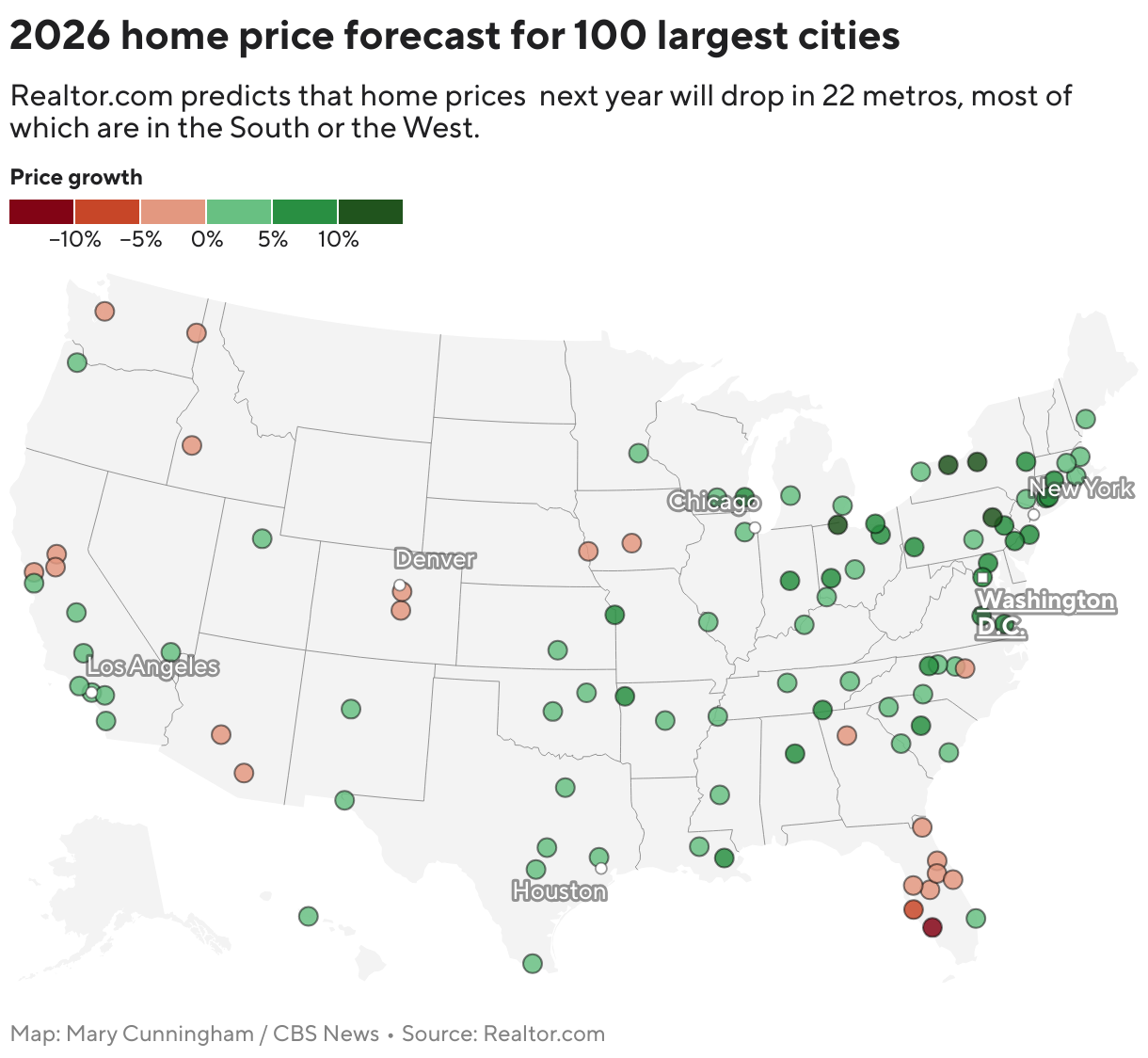
- Regions in the South and West show potential for improvement due to increased home construction, stronger tax incentives, and relaxed permitting requirements.
- The Northeast and Midwest continue to experience lagging construction and inventory levels below pre-pandemic norms.
- Mortgage rates are projected to decrease slightly in 2026, from an average of 6.6% in 2025 to 6.3%, potentially offering some relief to aspiring homebuyers.
Emphasis on Sustainable Development Goals (SDGs)
SDG 1: No Poverty
Affordable housing is critical to reducing poverty by enabling families to allocate resources toward education, health, and economic opportunities. The current shortage and high costs exacerbate financial strain on low- and middle-income households.
SDG 10: Reduced Inequalities
Addressing housing affordability helps reduce economic disparities by ensuring equitable access to homeownership, a key asset for wealth accumulation across diverse populations.
SDG 11: Sustainable Cities and Communities
- Increasing the supply of affordable housing aligns with SDG 11 targets to make cities inclusive, safe, resilient, and sustainable.
- Policy measures such as tax incentives and streamlined permitting can accelerate sustainable urban development and housing availability.
SDG 8: Decent Work and Economic Growth
Boosting housing construction supports job creation and economic growth, contributing to a more robust and inclusive economy.
Recommendations for Advancing SDGs through Housing Policy
- Implement stronger incentives and regulatory reforms to increase affordable housing supply.
- Focus on regional disparities by supporting construction in underserved areas, particularly in the Northeast and Midwest.
- Monitor mortgage rate trends and provide financial assistance to first-time homebuyers to promote equitable access.
- Integrate housing policies with broader social and economic development strategies to achieve multiple SDGs simultaneously.
Conclusion
The U.S. housing affordability crisis poses significant challenges to achieving Sustainable Development Goals related to poverty reduction, inequality, sustainable cities, and economic growth. Coordinated policy efforts focusing on increasing affordable housing supply and supporting vulnerable populations are essential to reversing current trends and fostering inclusive, sustainable communities.
1. Sustainable Development Goals (SDGs) Addressed
- SDG 1: No Poverty – The article highlights the increasing unaffordability of homeownership, which directly impacts poverty and economic inequality.
- SDG 10: Reduced Inequalities – The widening gap between earnings and home prices points to growing inequalities in access to housing.
- SDG 11: Sustainable Cities and Communities – The shortage of affordable housing and the need for increased construction relate to making cities inclusive, safe, resilient, and sustainable.
- SDG 8: Decent Work and Economic Growth – The article discusses household incomes and economic factors influencing homeownership.
2. Specific Targets Under Those SDGs
- SDG 1 – Target 1.2: By 2030, reduce at least by half the proportion of people living in poverty in all its dimensions according to national definitions. The article’s focus on affordability relates to reducing economic hardship.
- SDG 10 – Target 10.2: Empower and promote the social, economic and political inclusion of all. The article’s emphasis on the gap between earnings and home prices reflects economic exclusion.
- SDG 11 – Target 11.1: By 2030, ensure access for all to adequate, safe and affordable housing and basic services and upgrade slums. The article directly addresses the shortage of affordable housing and the need for increased construction.
- SDG 8 – Target 8.5: Achieve full and productive employment and decent work for all women and men. The article’s data on household income and economic capacity to afford homes relate to this target.
3. Indicators Mentioned or Implied to Measure Progress
- Proportion of income spent on housing costs: The article uses the standard that housing costs should not exceed 30% of household income to define affordability.
- Homeownership rate: The percentage of households owning homes (65% in 2025, down from 69% in 2004) is used as an indicator of access to housing.
- Number of housing units needed vs. constructed: The article cites a deficit of 4.7 million housing units, indicating supply-demand imbalance.
- Median household income vs. median home price: The comparison between $84,000 median income and $435,000 median home price measures affordability gaps.
- First-time homebuyer share of housing sales: Decline from 50% in 2010 to 24% in recent years reflects barriers to entry in homeownership.
- Mortgage interest rates: Expected rates (6.3% in 2026) affect affordability and access to homeownership.
4. Table: SDGs, Targets and Indicators
| SDGs | Targets | Indicators |
|---|---|---|
| SDG 1: No Poverty | Target 1.2: Reduce poverty by half by 2030 | Proportion of income spent on housing costs (≤30%) |
| SDG 10: Reduced Inequalities | Target 10.2: Promote economic inclusion | Gap between median household income and median home price |
| SDG 11: Sustainable Cities and Communities | Target 11.1: Access to adequate, safe, affordable housing |
|
| SDG 8: Decent Work and Economic Growth | Target 8.5: Full and productive employment for all | Median household income levels; mortgage interest rates (6.3% forecast for 2026) |
Source: cbsnews.com
What is Your Reaction?
 Like
0
Like
0
 Dislike
0
Dislike
0
 Love
0
Love
0
 Funny
0
Funny
0
 Angry
0
Angry
0
 Sad
0
Sad
0
 Wow
0
Wow
0