































NC Marine Fisheries Commission concludes quarterly meeting with updates on southern flounder, striped bass – The Coastland Times
Report on the N.C. Marine Fisheries Commission Quarterly Meeting: Aligning with Sustainable Development Goals
Introduction: Commitment to Sustainable Marine Ecosystems
The North Carolina Marine Fisheries Commission convened its quarterly business meeting, focusing on strategic actions and receiving critical updates from the Division of Marine Fisheries (DMF). The proceedings underscored a commitment to science-based management and the conservation of marine resources, directly aligning with the United Nations’ Sustainable Development Goal 14 (Life Below Water).
Key Fisheries Management Updates and SDG Alignment
Southern Flounder Stock Assessment: Progress Towards SDG 14.4
A significant portion of the meeting was dedicated to an analysis of southern flounder stocks, a key indicator of marine health in North Carolina waters. The DMF presented findings that align with SDG Target 14.4, which aims to end overfishing and restore fish stocks to sustainable levels.
- Improved Stock Health: Fishery-independent data through 2024 revealed modest improvements, including a slight increase in relative abundance.
- Increased Biodiversity: An expansion in the observed age range of the fish population indicates a healthier, more resilient stock.
These findings, based on robust scientific data, reflect progress in implementing science-based management plans essential for the long-term viability of the fishery, a core principle of SDG 14.
Striped Bass Harvest Strategy: Balancing Conservation and Access (SDG 14.2 & 14.4)
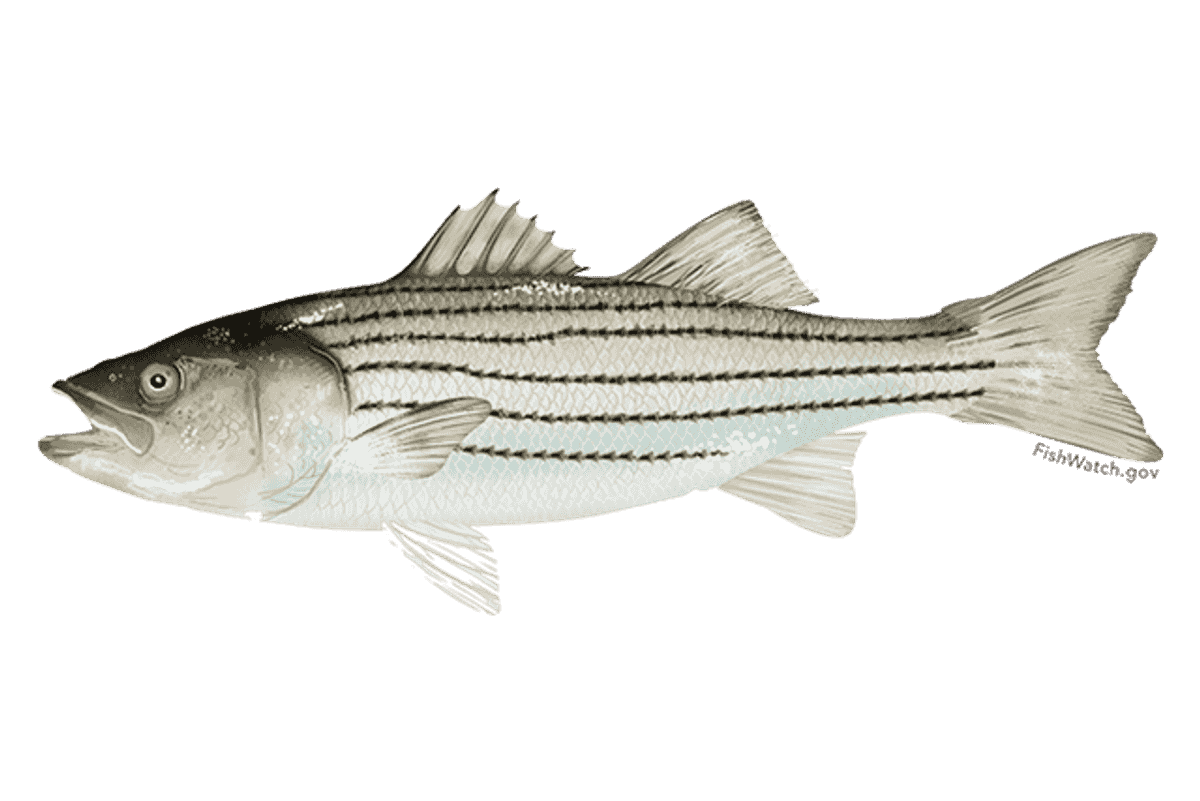
The commission reviewed an updated harvest management strategy for striped bass in the Neuse and Tar-Pamlico rivers. This strategy exemplifies a balanced approach to resource management, contributing to multiple SDG 14 targets.
- Adaptive Management Framework: In line with Amendment 2 to the Striped Bass Fishery Management Plan, the strategy employs an adaptive framework to sustainably manage and protect marine and coastal ecosystems (SDG 14.2).
- Regulated Harvesting: The plan, set for implementation in 2026, will effectively regulate harvesting by allowing limited take of stocked fish while protecting the native Albemarle-Roanoke stock (SDG 14.4).
This collaborative effort between the DMF and the N.C. Wildlife Resources Commission also highlights the importance of partnerships (SDG 17) in achieving sustainable outcomes.
Administrative Actions Supporting Regional and Global Goals
Strengthening Partnerships for the Goals (SDG 17)
In a move to bolster regional cooperation for marine conservation, the commission took action on governance and representation. This supports SDG 17 by fostering institutional partnerships for sustainable development.
- The commission nominated Robert Ruhle, Mary Ellon Ballance, and Thomas Newman for the obligatory seat on the Mid-Atlantic Fishery Management Council, ensuring North Carolina’s contribution to broader, ecosystem-based management efforts that are crucial for achieving SDG 14 on a larger scale.
Analysis of Sustainable Development Goals in the Article
-
Which SDGs are addressed or connected to the issues highlighted in the article?
The primary Sustainable Development Goal (SDG) addressed in the article is:
- SDG 14: Life Below Water – This goal aims to conserve and sustainably use the oceans, seas, and marine resources for sustainable development. The article’s entire focus is on the management of marine fisheries, specifically the southern flounder and striped bass stocks in North Carolina waters. The actions of the N.C. Marine Fisheries Commission, such as analyzing fish stocks and implementing harvest management strategies, are direct efforts to ensure the sustainability of marine life.
-
What specific targets under those SDGs can be identified based on the article’s content?
Based on the article’s discussion of fisheries management, the following specific targets under SDG 14 can be identified:
- Target 14.4: “By 2020, effectively regulate harvesting and end overfishing, illegal, unreported and unregulated fishing and destructive fishing practices and implement science-based management plans, in order to restore fish stocks in the shortest time feasible, at least to levels that can produce maximum sustainable yield as determined by their biological characteristics.” The article directly addresses this target by describing the implementation of a “harvest management strategy for striped bass” and the analysis of southern flounder stocks to inform management decisions. These actions are aimed at regulating harvesting and restoring fish populations.
- Target 14.a: “Increase scientific knowledge, develop research capacity and transfer marine technology… in order to improve ocean health…” The article highlights this target through its reference to the Division of Marine Fisheries (DMF) staff presenting an “analysis of southern flounder… using the division’s fishery-independent sampling data.” This demonstrates the use of scientific knowledge and research to inform policy and management, which is central to improving the health of marine ecosystems.
-
Are there any indicators mentioned or implied in the article that can be used to measure progress towards the identified targets?
Yes, the article mentions or implies several indicators that can be used to measure progress:
- For Target 14.4: The article provides direct indicators used to assess the health of the southern flounder stock. These serve as measures of progress in restoring fish populations.
- Relative abundance of fish stocks: The analysis showed a “slight increase in relative abundance” of southern flounder.
- Age structure of fish stocks: The data also revealed an “expansion in the age range of fish observed,” which indicates a healthier and more resilient population.
- Implementation of management plans: The development and implementation of the “harvest management strategy for striped bass” is itself an indicator of effective regulation and science-based management.
- For Target 14.a: The article implies an indicator related to the use of science in decision-making.
- Use of scientific data for management: The reliance on “fishery-independent sampling data” and “analysis” to make decisions about southern flounder management demonstrates the application of scientific research capacity to improve ocean health.
- For Target 14.4: The article provides direct indicators used to assess the health of the southern flounder stock. These serve as measures of progress in restoring fish populations.
-
SDGs, Targets, and Indicators Table
SDGs Targets Indicators SDG 14: Life Below Water 14.4: Effectively regulate harvesting and end overfishing… and implement science-based management plans, in order to restore fish stocks… - Slight increase in relative abundance (southern flounder)
- Expansion in the age range of fish observed (southern flounder)
- Implementation of a harvest management strategy (striped bass)
SDG 14: Life Below Water 14.a: Increase scientific knowledge, develop research capacity… in order to improve ocean health… - Use of fishery-independent sampling data for stock analysis
- Presentation of scientific analysis to a management commission
Source: thecoastlandtimes.com
What is Your Reaction?
 Like
0
Like
0
 Dislike
0
Dislike
0
 Love
0
Love
0
 Funny
0
Funny
0
 Angry
0
Angry
0
 Sad
0
Sad
0
 Wow
0
Wow
0