




































;Resize=620#)










New Report Introduces First Legal Blueprint for Climate-Resilient Water and Sanitation in the U.S. – Yahoo Finance Singapore

Report on Legal Frameworks for Climate-Resilient Water Systems and Sustainable Development Goal (SDG) Achievement
Introduction: Aligning Water Law with Climate Action and Global Goals
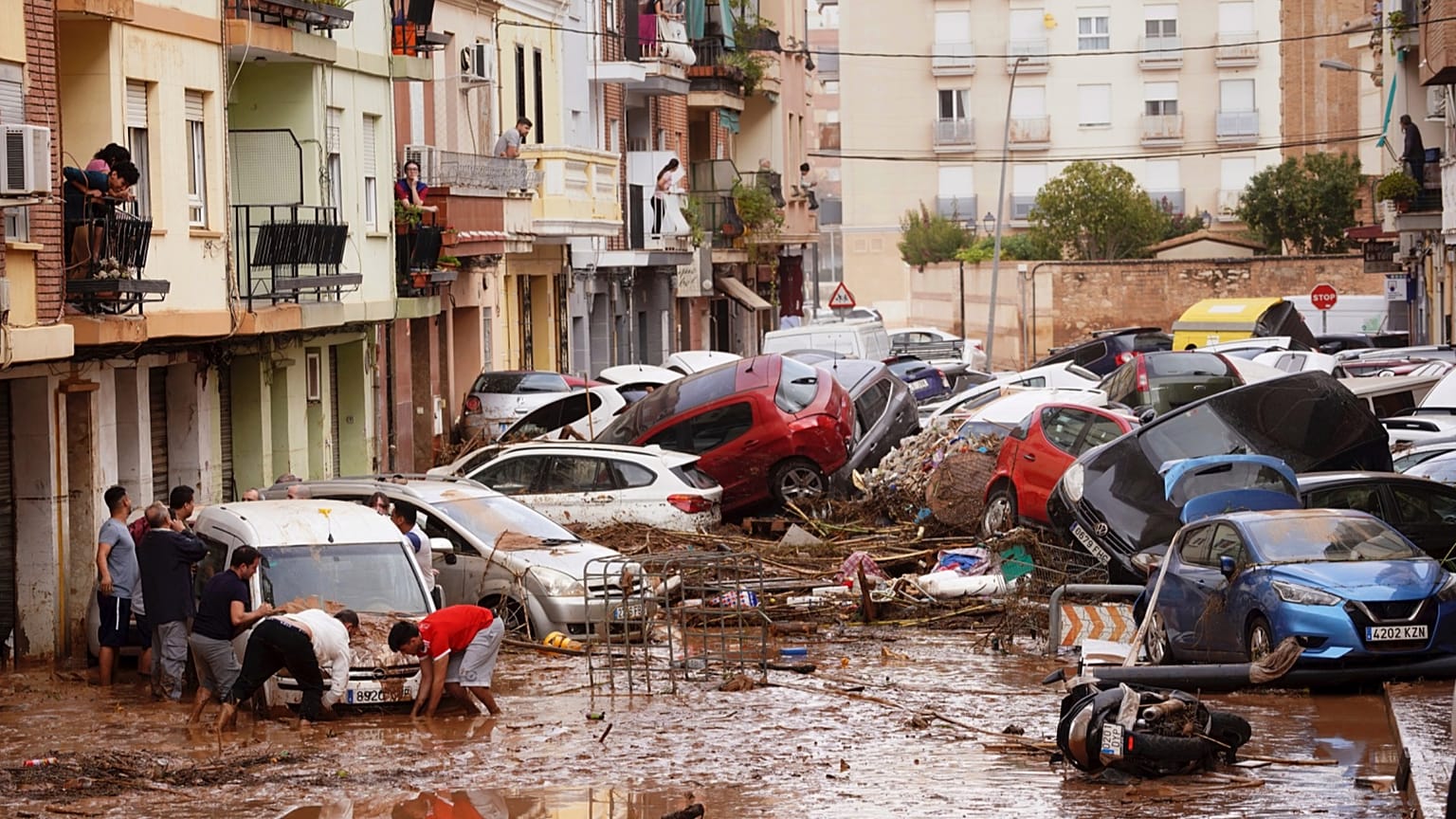
A report released by the Pacific Institute and the Center for Water Security and Cooperation (CWSC) presents a comprehensive framework for assessing and improving U.S. laws governing water and sanitation systems to enhance climate resilience. This initiative directly supports the achievement of several Sustainable Development Goals (SDGs), primarily SDG 6 (Clean Water and Sanitation), SDG 11 (Sustainable Cities and Communities), and SDG 13 (Climate Action). The report, titled “Actionable Criteria for Achieving Equitable, Climate-Resilient Water and Sanitation Laws and Policies,” identifies that existing legal structures are failing to keep pace with intensifying climate events such as floods, wildfires, and droughts. These failures represent significant setbacks to SDG progress, as evidenced by recent climate disasters. Hurricane Helene (2024) caused an estimated $37 billion in damage to water systems, and the 2022 flooding in Jackson, Mississippi, left 160,000 residents without safe drinking water, undermining the core tenets of SDG 6.
The framework provides a resource for frontline communities, legislators, and policymakers to develop legal strategies that build equitable and resilient water infrastructure, thereby advancing the global agenda for sustainable development.
Core Legal Framework for SDG Alignment
The report outlines a structure based on six core attributes and 19 criteria designed to integrate climate resilience and equity into water governance. This framework provides a clear pathway for aligning local, state, and federal laws with key SDG targets.
- Siting, Design, and Construction Requirements Address Climate Change: To advance SDG 11, infrastructure must be built to withstand climate risks. This requires updating codes to reflect future climate projections for floods, wildfires, and droughts, ensuring the long-term sustainability of community services.
- Legal Protection for Water Uses in Frontline Communities During Climate Disruptions: This criterion directly supports SDG 6 and SDG 10 (Reduced Inequalities) by mandating safeguards that guarantee access to water and sanitation for vulnerable populations during emergencies like droughts or shortages.
- Climate Resilience is Required in Planning: In line with SDG 13, this attribute ensures that utilities and government agencies incorporate climate change adaptation and mitigation strategies into all future planning for water and wastewater services.
- Required Water and Climate Data Collection, Monitoring, and Reporting: Fostering transparency and community engagement supports SDG 16 (Peace, Justice, and Strong Institutions). Requiring robust data collection and public reporting empowers communities and enables informed, evidence-based decision-making.
- Laws Govern Equitable Distribution of Climate-Resilient Infrastructure Funding: To meet the objectives of SDG 10, this principle mandates fair and inclusive investment in water and sanitation systems, with a priority on directing funds to frontline and low-income communities.
- Enforceability of Laws to Minimize Climate Disruptions: Effective governance, a cornerstone of SDG 16, requires that laws are not only established but are also enforceable and that violations are addressed to ensure accountability and protect public welfare.
Case Studies in SDG-Aligned Legislation
The report highlights existing legislative and policy examples that demonstrate successful alignment with SDG principles for building climate resilience.
- New York: Post-Hurricane Sandy reforms require critical water infrastructure to be elevated above federal flood standards, setting a new legal precedent for climate adaptation and resilient infrastructure in support of SDG 11 and SDG 13.
- Montana, Utah, and Pennsylvania: By adopting the International Wildland-Urban Interface Code, these states are actively mitigating wildfire risks to homes and water infrastructure, a key strategy for protecting communities and achieving SDG 11.
- New Mexico: Water shortage sharing agreements enable voluntary collaboration among users during droughts. This promotes equitable water management and strengthens community resilience, directly contributing to SDG 6.
- Texas: The creation of a Flood Infrastructure Fund, with approximately $793 million appropriated for mitigation projects, includes provisions to prioritize funding for low-income communities. This initiative exemplifies an equitable approach to climate finance, advancing both SDG 10 and SDG 11.
Conclusion: A Blueprint for Sustainable and Equitable Water Governance
Modernizing water and sanitation laws is an essential component of climate action and sustainable development. The report provides an actionable blueprint for policymakers, advocates, and communities to update outdated legal frameworks. By implementing these strategies, stakeholders can strengthen protections against climate impacts and ensure progress towards achieving universal access to safe water and sanitation (SDG 6), building resilient and sustainable communities (SDG 11), and fostering effective climate action (SDG 13) for all.
Analysis of Sustainable Development Goals in the Article
1. Which SDGs are addressed or connected to the issues highlighted in the article?
-
SDG 6: Clean Water and Sanitation
- The article’s primary focus is on ensuring access to “drinking water and sanitation” and managing “water and wastewater systems.” It directly addresses the core mission of SDG 6 by discussing the challenges climate change poses to these essential services, such as when “Water stops flowing. Toilets stop working.”
-
SDG 9: Industry, Innovation, and Infrastructure
- The article emphasizes the need for resilient infrastructure. It discusses damage to “critical water infrastructure” and proposes solutions like siting and building infrastructure using “updated codes that reflect climate risks.” This aligns with SDG 9’s goal of building resilient infrastructure.
-
SDG 10: Reduced Inequalities
- The report is explicitly intended as a resource for “frontline communities.” It calls for “equitable water laws,” “equitable distribution of climate-resilient infrastructure funding,” and legal protections for these communities, directly connecting to SDG 10’s aim to reduce inequalities and support vulnerable populations.
-
SDG 11: Sustainable Cities and Communities
- The article highlights the impact of climate disasters on communities, citing examples like “flooding in Jackson, Mississippi,” which left 160,000 residents without safe water. The focus on making communities and their water systems resilient to such events is central to SDG 11.
-
SDG 13: Climate Action
- The entire context of the article is adapting water and sanitation systems to the impacts of climate change. It discusses the acceleration of “extreme climate change events” like “floods, wildfires, droughts, and storms” and provides a framework for building “climate-resilient” systems, which is a core component of SDG 13.
-
SDG 16: Peace, Justice, and Strong Institutions
- The article is fundamentally about governance and law. It proposes a “comprehensive framework for assessing and improving whether laws enable climate-resilient U.S. water and sanitation systems.” The call for laws to be “enforceable and enforced” and for transparent decision-making aligns with SDG 16’s goal of developing effective, accountable, and transparent institutions.
2. What specific targets under those SDGs can be identified based on the article’s content?
-
Target 6.1: By 2030, achieve universal and equitable access to safe and affordable drinking water for all.
- The article directly addresses this by highlighting instances where communities lose “access to safe drinking water for weeks” due to climate events and advocating for legal frameworks to prevent this.
-
Target 6.2: By 2030, achieve access to adequate and equitable sanitation and hygiene for all.
- The article mentions that during disasters, “Toilets stop working,” and it promotes legal strategies for resilient “sanitation” systems, connecting directly to this target.
-
Target 9.1: Develop quality, reliable, sustainable and resilient infrastructure… to support economic development and human well-being.
- The report’s criteria, such as requiring infrastructure to be built “using updated codes that reflect climate risks like flooding, wildfire, and drought,” is a direct effort to achieve this target for water infrastructure.
-
Target 11.5: By 2030, significantly reduce the number of deaths and the number of people affected and substantially decrease the direct economic losses… caused by disasters, including water-related disasters.
- The article quantifies the impact of water-related disasters (e.g., “$37 billion in damage” in North Carolina) and aims to mitigate these impacts through better laws and resilient infrastructure, aligning with this target.
-
Target 13.1: Strengthen resilience and adaptive capacity to climate-related hazards and natural disasters in all countries.
- The central theme of the article is providing “legal strategies for building more equitable, climate-resilient water and sanitation,” which is the essence of this target.
-
Target 16.6: Develop effective, accountable and transparent institutions at all levels.
- The report’s goal to make “legal frameworks more visible, accessible, and meaningful” and to require “data and information transparency and community engagement in decision-making” directly supports the development of more transparent and effective governance institutions.
3. Are there any indicators mentioned or implied in the article that can be used to measure progress towards the identified targets?
-
Economic Losses from Disasters:
- The article explicitly mentions the financial cost of infrastructure damage, such as the “$37 billion in damage to water and wastewater systems” from Hurricane Helene. This figure serves as a direct indicator for Target 11.5, and a reduction in such costs over time would indicate progress.
-
Population Affected by Water Service Disruptions:
- The article cites that “160,000 residents” in Jackson, Mississippi, were left without safe drinking water. The number of people affected by such disruptions is a key indicator for measuring access to water (Target 6.1) and community resilience (Target 11.5).
-
Adoption of Resilient Building Codes and Laws:
- The article points to the adoption of the “International Wildland-Urban Interface Code” by states like Montana, Utah, and Pennsylvania as a positive example. The number of states, tribes, or local governments that adopt and enforce such climate-resilient codes and legal frameworks is a measurable indicator of progress for Targets 9.1, 13.1, and 16.6.
-
Proportion of Funding Directed to Vulnerable Communities:
- The example of Texas’s Flood Infrastructure Fund, which has “a provision to prioritize funding for low-income communities,” implies an indicator. Measuring the percentage of infrastructure funds allocated to “frontline” or low-income communities can track progress towards equitable distribution (Target 10.2).
-
Implementation of Climate Resilience Plans:
- The report calls for ensuring “utilities and agencies include climate change in future planning.” An indicator would be the proportion of water utilities and relevant government agencies that have formally adopted and are implementing climate resilience plans.
4. Table of SDGs, Targets, and Indicators
| SDGs | Targets | Indicators |
|---|---|---|
| SDG 6: Clean Water and Sanitation | 6.1: Achieve universal and equitable access to safe and affordable drinking water for all. 6.2: Achieve access to adequate and equitable sanitation. |
Number of people affected by disruptions to safe drinking water and sanitation services (e.g., “160,000 residents without access to safe drinking water”). |
| SDG 9: Industry, Innovation, and Infrastructure | 9.1: Develop quality, reliable, sustainable and resilient infrastructure. | Adoption of updated building codes that reflect climate risks (e.g., New York’s post-Hurricane Sandy reforms). |
| SDG 10: Reduced Inequalities | 10.2: Empower and promote the social, economic and political inclusion of all. | Proportion of infrastructure funding prioritized for low-income or “frontline” communities (e.g., Texas’s Flood Infrastructure Fund). |
| SDG 11: Sustainable Cities and Communities | 11.5: Significantly reduce the number of people affected and direct economic losses caused by disasters. | Direct economic losses from damage to water and wastewater systems due to climate events (e.g., “$37 billion in damage”). |
| SDG 13: Climate Action | 13.1: Strengthen resilience and adaptive capacity to climate-related hazards. | Number of communities/utilities that incorporate climate change into future planning for water services. |
| SDG 16: Peace, Justice, and Strong Institutions | 16.6: Develop effective, accountable and transparent institutions at all levels. | Number of states or municipalities adopting and enforcing new legal frameworks for water resilience (e.g., “New Mexico’s water shortage sharing agreements”). |
Source: sg.finance.yahoo.com
What is Your Reaction?
 Like
0
Like
0
 Dislike
0
Dislike
0
 Love
0
Love
0
 Funny
0
Funny
0
 Angry
0
Angry
0
 Sad
0
Sad
0
 Wow
0
Wow
0