






























Oregon Arts and Agricultural Market – travelportland.com
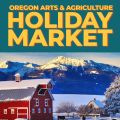
Report on the Oregon Arts and Agriculture Holiday Market
Event Overview
The Oregon Arts and Agriculture Holiday Market, organized by 1000 Friends of Oregon, is an event designed to showcase local producers who operate in alignment with principles of environmental stewardship and sustainability. The market provides a platform for consumers to engage in responsible purchasing of agricultural products, food items, and artisanal goods, thereby supporting the local economy and sustainable practices.
Alignment with Sustainable Development Goals (SDGs)
The event’s structure and objectives demonstrate a strong commitment to several United Nations Sustainable Development Goals (SDGs). The market’s focus on local, sustainable production and community well-being directly contributes to the global agenda for sustainable development.
- SDG 2: Zero Hunger – By featuring local farmers and food producers, the market supports sustainable food production systems and strengthens local food security, contributing to the goal of ending hunger.
- SDG 8: Decent Work and Economic Growth – The event promotes inclusive and sustainable economic growth by providing a direct-to-consumer platform for small-scale producers and local makers, fostering entrepreneurship and supporting the local economy.
- SDG 11: Sustainable Cities and Communities – The market serves as a community hub that strengthens social cohesion. The involvement of nonprofit partners working to ensure safe and healthy housing contributes to creating inclusive, safe, and resilient communities.
- SDG 12: Responsible Consumption and Production – A central theme of the market is the promotion of sustainable consumption. By curating vendors who practice stewardship and sustainability, the event encourages consumers to make responsible purchasing decisions and supports sustainable supply chains.
- SDG 15: Life on Land – The event’s emphasis on protecting Oregon’s landscapes and supporting producers who practice environmental stewardship aligns directly with the goal of protecting and restoring terrestrial ecosystems.
Key Stakeholders and Activities
The market’s success is predicated on the collaboration of various stakeholders and a range of planned activities designed to engage the community.
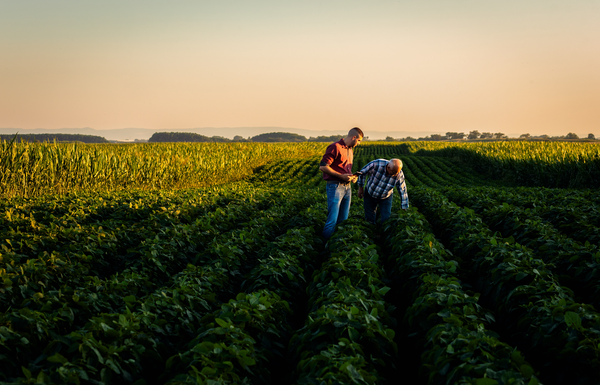
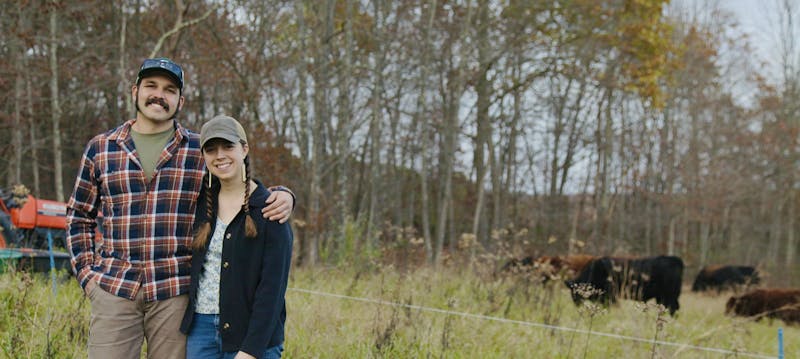
- Local Producers: A curated selection of farmers, food producers, and makers form the core of the market, offering sustainable and locally sourced goods.
- Nonprofit Partners: Organizations dedicated to community development, environmental protection, and housing security are present to engage with attendees.
- Community Engagement: The event facilitates direct interaction between consumers and producers, complemented by activities such as wine tastings from a local winery, music, and seasonal refreshments to foster a festive and communal atmosphere.
Analysis of Sustainable Development Goals in the Article
1. Which SDGs are addressed or connected to the issues highlighted in the article?
-
SDG 2: Zero Hunger
- The article highlights a market featuring “farmers” and “food producers,” directly connecting to the agricultural sector. The focus on “local bounty” and “grocery shopping” points towards supporting local food systems, which is a key component of ensuring food security and promoting sustainable agriculture.
-
SDG 11: Sustainable Cities and Communities
- The event is described as a way to “support thriving communities” and “gather.” The presence of nonprofit partners working to “ensure everyone has a safe, healthy place to call home” directly addresses the goal of inclusive and safe human settlements. The market itself fosters community cohesion and supports local culture.
-
SDG 12: Responsible Consumption and Production
- The market encourages responsible consumption by providing a platform for consumers to “Shop from a curated selection of farmers, food producers, and makers who embody Oregon’s values of stewardship, sustainability, and community.” This promotes sustainable lifestyles and supports producers who use sustainable practices.
-
SDG 15: Life on Land
- The article explicitly mentions the involvement of nonprofit partners who are “working to… protect Oregon’s landscapes.” Furthermore, the producers at the market are chosen for their embodiment of “stewardship,” which implies the sustainable management of land and natural resources.
2. What specific targets under those SDGs can be identified based on the article’s content?
-
Under SDG 2 (Zero Hunger):
- Target 2.3: “By 2030, double the agricultural productivity and incomes of small-scale food producers…” The market provides a direct sales platform for local “farmers” and “food producers,” which helps support and increase their incomes.
-
Under SDG 11 (Sustainable Cities and Communities):
- Target 11.1: “By 2030, ensure access for all to adequate, safe and affordable housing and basic services…” This is directly referenced by the mention of nonprofit partners working to “ensure everyone has a safe, healthy place to call home.”
- Target 11.a: “Support positive economic, social and environmental links between urban, peri-urban and rural areas…” The market creates a direct link between rural/peri-urban agricultural producers and consumers in a community setting, fostering social and economic connections.
-
Under SDG 12 (Responsible Consumption and Production):
- Target 12.8: “By 2030, ensure that people everywhere have the relevant information and awareness for sustainable development and lifestyles…” The event itself serves as a platform for raising awareness, allowing attendees to meet producers who practice “sustainability” and nonprofit partners who support it, thereby promoting sustainable lifestyles.
-
Under SDG 15 (Life on Land):
- Target 15.1: “By 2030, ensure the conservation, restoration and sustainable use of terrestrial and inland freshwater ecosystems…” This is addressed through the work of the nonprofit partners aiming to “protect Oregon’s landscapes” and the promotion of vendors who practice “stewardship.”
3. Are there any indicators mentioned or implied in the article that can be used to measure progress towards the identified targets?
-
For SDG 2, Target 2.3:
- The article implies that progress can be measured by the number of local farmers and food producers participating in the market. This serves as a proxy for the level of support provided to small-scale producers.
-
For SDG 11, Target 11.1 & 11.a:
- An implied indicator is the number of nonprofit partners present who are working on housing and community issues. For community links, the number of attendees at the market could measure the strength of social gathering and connection.
-
For SDG 12, Target 12.8:
- The number of vendors selected based on their commitment to sustainability and stewardship can be an indicator of the promotion of sustainable production. The number of attendees also implies the reach of the awareness-raising effort.
-
For SDG 15, Target 15.1:
- An indicator is the number of participating nonprofit partners whose mission is to “protect Oregon’s landscapes.” This directly measures the effort being showcased to support conservation.
4. Summary Table of SDGs, Targets, and Indicators
| SDGs | Targets | Indicators |
|---|---|---|
| SDG 2: Zero Hunger | 2.3: Double the agricultural productivity and incomes of small-scale food producers. | Number of local farmers and food producers participating in the market. |
| SDG 11: Sustainable Cities and Communities | 11.1: Ensure access for all to adequate, safe and affordable housing. 11.a: Support positive economic, social and environmental links between urban, peri-urban and rural areas. |
Number of nonprofit partners working on housing issues. Number of attendees at the community market. |
| SDG 12: Responsible Consumption and Production | 12.8: Ensure that people everywhere have the relevant information and awareness for sustainable development and lifestyles. | Number of vendors selected for their commitment to sustainability and stewardship. |
| SDG 15: Life on Land | 15.1: Ensure the conservation, restoration and sustainable use of terrestrial ecosystems. | Number of participating nonprofit partners working to “protect Oregon’s landscapes.” |
Source: travelportland.com
What is Your Reaction?
 Like
0
Like
0
 Dislike
0
Dislike
0
 Love
0
Love
0
 Funny
0
Funny
0
 Angry
0
Angry
0
 Sad
0
Sad
0
 Wow
0
Wow
0