



















































Our global food system is increasingly under strain. What needs to be done? – Genetic Literacy Project
Report on Global Food Systems and Sustainable Development Goals
1.0 Current Challenges to Food Systems and SDG Alignment
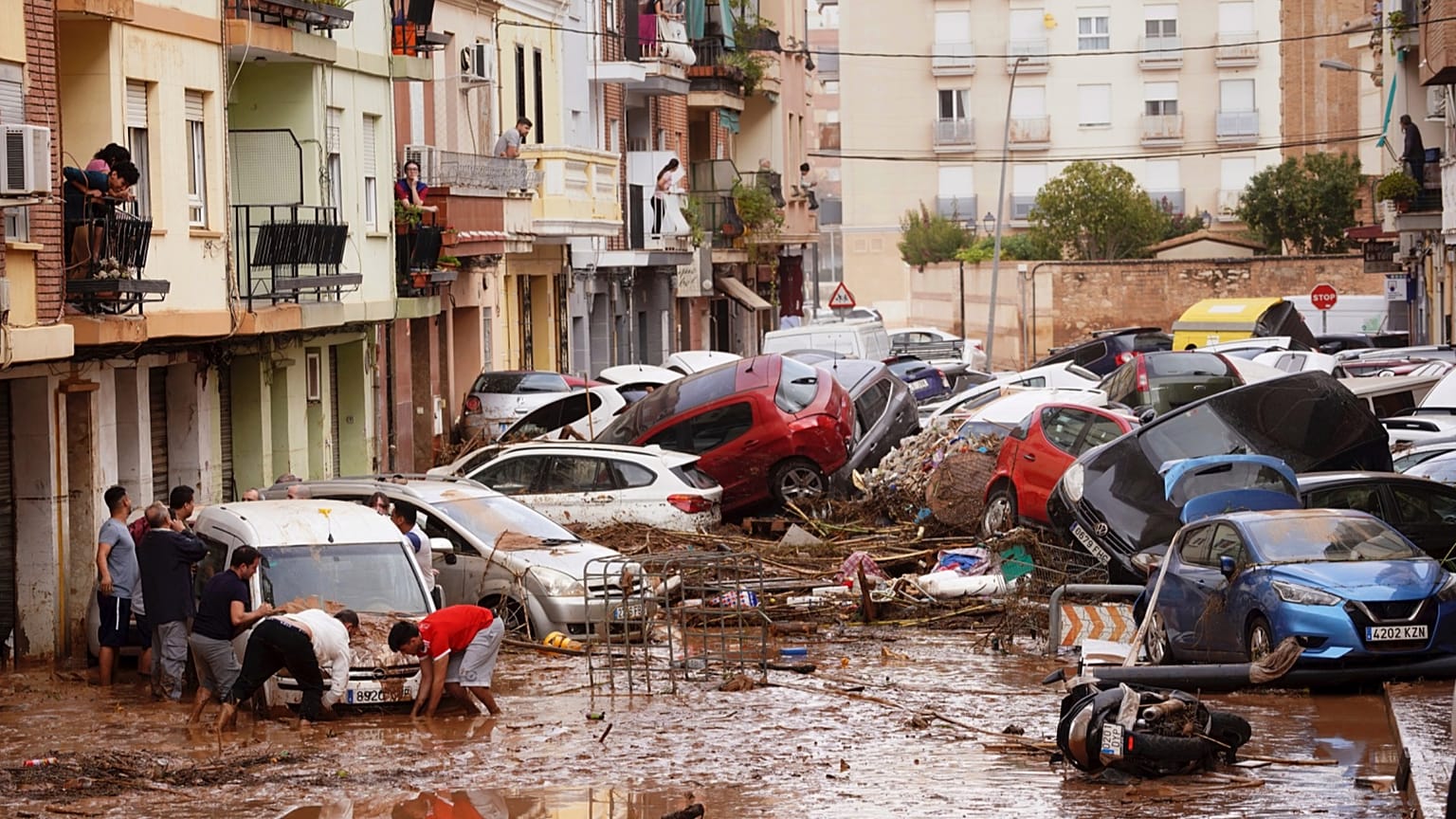
Global food systems are complex networks integral to societal stability and positive environmental and health outcomes. However, current evidence indicates that these systems are under significant pressure, compromising their ability to meet community needs and achieve key Sustainable Development Goals (SDGs).
1.1 Systemic Pressures and SDG Implications
Multiple factors are degrading the resilience and effectiveness of global food systems, directly impacting progress on the 2030 Agenda for Sustainable Development.
- Climate Change: Increasing climate volatility threatens agricultural productivity and food availability, directly challenging SDG 13 (Climate Action) and exacerbating food insecurity linked to SDG 2 (Zero Hunger).
- Biodiversity Loss: The degradation of ecosystems and loss of biodiversity undermine the natural resources essential for food production, hindering the objectives of SDG 15 (Life on Land).
- Deteriorating Health Outcomes: Failing food systems contribute to malnutrition and poor health, creating significant obstacles to achieving SDG 3 (Good Health and Well-being).
- Geopolitical and Energy Instability: Global shifts and energy challenges disrupt supply chains, impacting food access and affordability, which is central to SDG 2 (Zero Hunger).
2.0 Technological Innovation as a Catalyst for SDG Achievement
Despite the lack of resilience in current systems, significant technological innovation offers opportunities to reimagine food production and align it with sustainable development objectives.
2.1 Key Innovations and Their Contribution to the SDGs
Emerging technologies can address systemic weaknesses and accelerate progress toward multiple SDGs.
- Gene-Editing Technologies: These tools can enhance crop resilience to climate events and improve nutritional value, directly supporting SDG 2 (Zero Hunger) and contributing to climate adaptation strategies under SDG 13 (Climate Action).
- Precision Fermentation: This innovation allows for the efficient production of proteins and other food components, promoting sustainable industrialization and responsible production patterns in line with SDG 9 (Industry, Innovation and Infrastructure) and SDG 12 (Responsible Consumption and Production).
- Controlled Environment Agriculture (CEA): CEA de-risks food production from climate events and can be located in urban centers, contributing to food security under SDG 2 and fostering sustainable communities as envisioned in SDG 11 (Sustainable Cities and Communities).
- Human Microbiome Research: A greater understanding of the human microbiome can lead to targeted food production for specific health benefits, advancing the goals of SDG 3 (Good Health and Well-being).
Analysis of the Article in Relation to Sustainable Development Goals
-
SDG 2: Zero Hunger
- The article’s central theme is the complexity and pressure on “global food systems.” It directly addresses the challenge of these systems being “increasingly unable to meet the needs of the communities they serve,” which is the core focus of SDG 2. The discussion on technological innovations like gene-editing and controlled environment agriculture aims to improve food production and resilience, aligning with the goal of ending hunger and achieving food security.
-
SDG 3: Good Health and Well-being
- The text links effective food systems to “better… health outcomes” and notes that their failure leads to “deteriorating health outcomes across society.” It also mentions understanding the “human microbiome” and targeting production for “specific functional use cases,” directly connecting food production with human health and well-being.
-
SDG 9: Industry, Innovation and Infrastructure
- A significant portion of the article is dedicated to “technological innovation available to farmers.” It highlights specific innovations such as “gene-editing technologies, precision fermentation, [and] controlled environment agriculture” as key to reimagining and improving food systems. This focus on innovation and technology as a solution for systemic challenges is a core component of SDG 9.
-
SDG 13: Climate Action
- The article explicitly identifies “climate change” as a major pressure on global food systems. It then proposes that technological innovation offers opportunities to “derisk production from climate events.” This directly connects the challenges in agriculture to climate change and highlights the need for adaptive and resilient solutions, which is central to SDG 13.
Identified SDG Targets
-
Target 2.4: By 2030, ensure sustainable food production systems and implement resilient agricultural practices that increase productivity and production, that help maintain ecosystems, that strengthen capacity for adaptation to climate change, extreme weather, drought, flooding and other disasters and that progressively improve land and soil quality.
- The article discusses the “lack of resilience of global food systems” and points to innovations that can “derisk production from climate events.” This aligns perfectly with the goal of implementing resilient agricultural practices to adapt to climate change and disasters.
-
Target 9.5: Enhance scientific research, upgrade the technological capabilities of industrial sectors in all countries, in particular developing countries, including, by 2030, encouraging innovation and substantially increasing the number of research and development workers per 1 million people and public and private research and development spending.
- The article’s emphasis on “technological innovation available to farmers,” including “gene-editing technologies” and “precision fermentation,” directly relates to upgrading technological capabilities and encouraging innovation within the agricultural sector to solve systemic problems.
-
Target 13.1: Strengthen resilience and adaptive capacity to climate-related hazards and natural disasters in all countries.
- The text identifies “climate change” as a key pressure on food systems and highlights the potential of technology to “derisk production from climate events.” This directly addresses the need to strengthen the resilience of a critical sector (agriculture) to climate-related hazards.
Mentioned or Implied Indicators
-
Indicator for Target 2.4: Adoption of resilient agricultural practices and technologies.
- The article implies this indicator by stating there has “never been more technological innovation available to farmers to adopt.” Measuring the rate at which farmers adopt technologies like “gene-editing,” “precision fermentation,” and “controlled environment agriculture” would serve as an indicator of progress towards building more resilient food systems.
-
Indicator for Target 9.5: Level of technological innovation and adoption in the food sector.
- The article’s focus on a range of new technologies suggests that an indicator could be the development and application of these innovations within the food system. Progress could be measured by the successful implementation and scaling of these technologies to improve production and resilience.
-
Indicator for Target 13.1: Reduced impact of climate events on food production.
- The article mentions the goal to “derisk production from climate events.” An implied indicator would be the measurement of agricultural output stability or the reduction in crop losses specifically attributed to climate-related events after the implementation of new technologies.
Summary of Findings
| SDGs | Targets | Indicators |
|---|---|---|
| SDG 2: Zero Hunger | Target 2.4: Ensure sustainable food production systems and implement resilient agricultural practices that increase productivity and strengthen capacity for adaptation to climate change. | Adoption rate of resilient agricultural technologies (e.g., gene-editing, controlled environment agriculture) by farmers. |
| SDG 3: Good Health and Well-being | General connection to ensuring healthy lives through better food systems that improve “health outcomes” and consider the “human microbiome.” | Improvement in health outcomes linked to targeted food production. |
| SDG 9: Industry, Innovation and Infrastructure | Target 9.5: Enhance scientific research and upgrade the technological capabilities of industrial sectors, encouraging innovation. | Level of development and application of innovations like “precision fermentation” and “gene-editing technologies” in the food sector. |
| SDG 13: Climate Action | Target 13.1: Strengthen resilience and adaptive capacity to climate-related hazards and natural disasters. | Reduced impact of “climate events” on food production and agricultural stability. |
Source: geneticliteracyproject.org
What is Your Reaction?
 Like
0
Like
0
 Dislike
0
Dislike
0
 Love
0
Love
0
 Funny
0
Funny
0
 Angry
0
Angry
0
 Sad
0
Sad
0
 Wow
0
Wow
0