





































Postdoctoral researcher Kirkland Sheriff targets faster, smarter detection of explosive and other hazardous materials – Clemson News
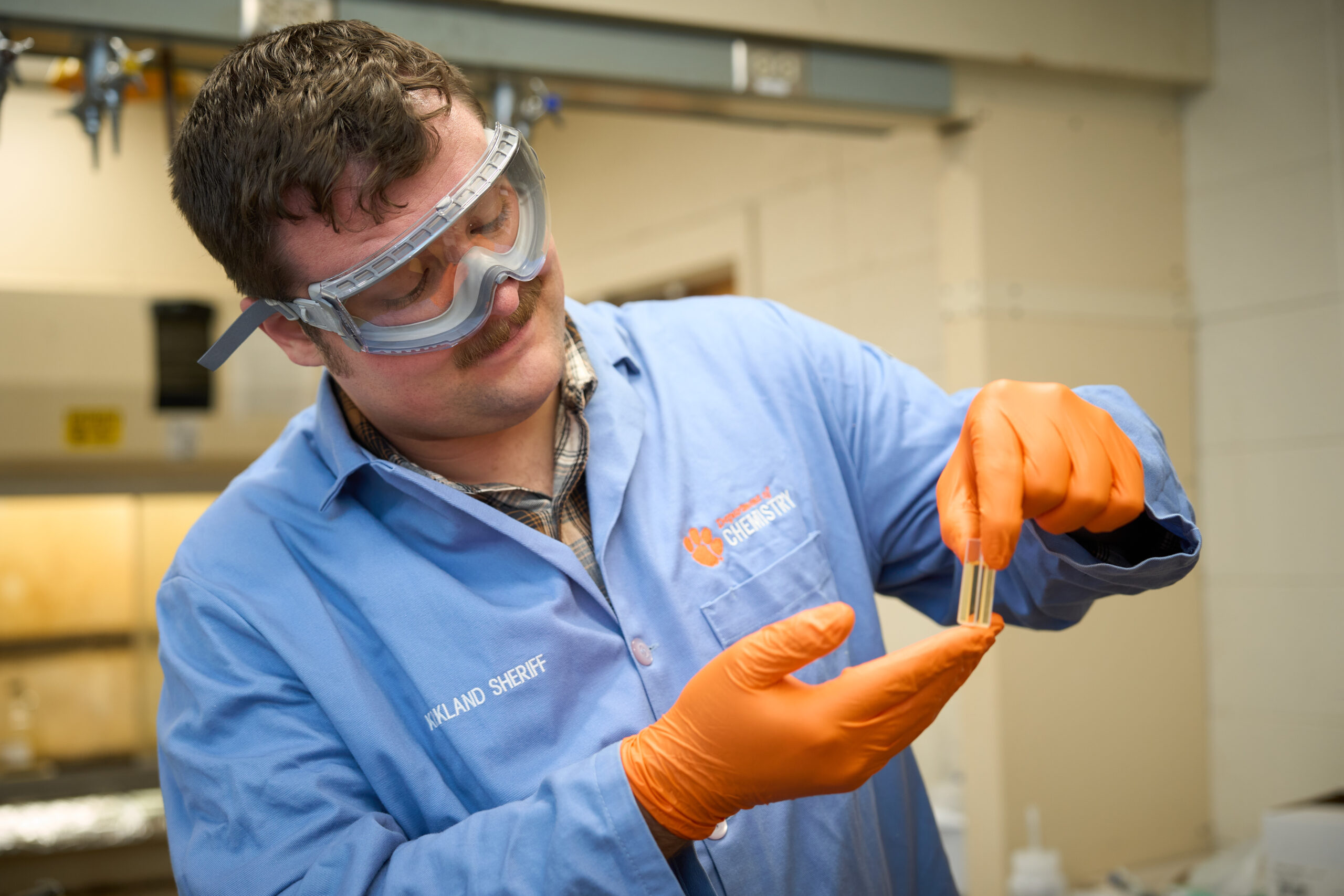
Postdoctoral Researcher Kirkland Sheriff Advances Detection of Explosive and Hazardous Materials
Introduction
Kirkland Sheriff, a postdoctoral researcher at Clemson University, has been awarded the prestigious Intelligence Community Postdoctoral Research Fellowship by the Office of the Director of National Intelligence. This fellowship supports his research aimed at developing faster and smarter detection methods for explosives and other hazardous materials.
Research Objectives and Impact on Sustainable Development Goals (SDGs)
The research led by Sheriff aligns with multiple United Nations Sustainable Development Goals, particularly:
- SDG 3: Good Health and Well-being – by improving detection of hazardous materials, the research contributes to reducing health risks associated with exposure to explosives and toxic substances.
- SDG 9: Industry, Innovation, and Infrastructure – the development of advanced detection technologies fosters innovation in safety and security infrastructure.
- SDG 16: Peace, Justice, and Strong Institutions – enhancing the ability to detect explosives supports efforts to maintain peace and security by preventing acts of terrorism and violence.
Research Focus and Methodology
- Development of Detection Technologies: Sheriff’s work focuses on creating novel chemical sensors and analytical methods that can rapidly identify explosive compounds and hazardous materials with high accuracy.
- Integration of Smart Systems: The research incorporates smart detection systems capable of real-time monitoring and data analysis to improve response times in critical situations.
- Collaboration and Application: The project involves collaboration with intelligence and security agencies to ensure practical applicability and deployment of the detection technologies.
Expected Outcomes and Contributions
- Enhanced safety protocols through quicker identification of threats.
- Reduction in environmental and human health hazards by preventing exposure to dangerous substances.
- Support for national and global security efforts, contributing to safer communities.
- Promotion of scientific innovation consistent with sustainable and responsible development.
Conclusion
Kirkland Sheriff’s fellowship-supported research exemplifies the integration of scientific innovation with sustainable development priorities. By targeting faster and smarter detection of explosives and hazardous materials, this work contributes significantly to advancing health, safety, innovation, and security, thereby supporting the achievement of key Sustainable Development Goals.

1. Sustainable Development Goals (SDGs) Addressed or Connected
- SDG 3: Good Health and Well-being – The article discusses faster and smarter detection of explosive and hazardous materials, which relates to protecting health and safety by preventing exposure to harmful substances.
- SDG 9: Industry, Innovation and Infrastructure – The research focuses on innovative detection technologies, aligning with fostering innovation and building resilient infrastructure.
- SDG 16: Peace, Justice and Strong Institutions – Detection of explosives and hazardous materials contributes to promoting peace and security by preventing violence and terrorism.
2. Specific Targets Under Those SDGs Identified
- SDG 3 – Target 3.9: Reduce the number of deaths and illnesses from hazardous chemicals and air, water and soil pollution and contamination.
- SDG 9 – Target 9.5: Enhance scientific research, upgrade the technological capabilities of industrial sectors, including encouraging innovation and research.
- SDG 16 – Target 16.1: Significantly reduce all forms of violence and related death rates everywhere.
3. Indicators Mentioned or Implied to Measure Progress
- Indicator for SDG 3.9: Mortality rate attributed to unintentional poisoning (including exposure to hazardous materials).
- Indicator for SDG 9.5: Research and development expenditure as a proportion of GDP and number of researchers per million inhabitants.
- Indicator for SDG 16.1: Number of victims of intentional homicide per 100,000 population, by sex and age.
- Implied indicators: Speed and accuracy of detection technologies for hazardous materials; number of incidents prevented due to improved detection methods.
4. Table of SDGs, Targets and Indicators
| SDGs | Targets | Indicators |
|---|---|---|
| SDG 3: Good Health and Well-being | Target 3.9: Reduce deaths and illnesses from hazardous chemicals and pollution | Mortality rate attributed to unintentional poisoning; exposure to hazardous materials |
| SDG 9: Industry, Innovation and Infrastructure | Target 9.5: Enhance scientific research and technological capabilities | R&D expenditure as % of GDP; number of researchers per million inhabitants; speed and accuracy of detection technologies |
| SDG 16: Peace, Justice and Strong Institutions | Target 16.1: Reduce all forms of violence and related death rates | Number of victims of intentional homicide per 100,000 population; incidents prevented by improved detection |
Source: news.clemson.edu
What is Your Reaction?
 Like
0
Like
0
 Dislike
0
Dislike
0
 Love
0
Love
0
 Funny
0
Funny
0
 Angry
0
Angry
0
 Sad
0
Sad
0
 Wow
0
Wow
0