
















Qatar Airways Renews New Partnership with the BWT Alpine Formula One, Emphasizing on their Diversity and Female Empowerment, Boosting its Sports Tourism and Fans Travel – Travel And Tour World
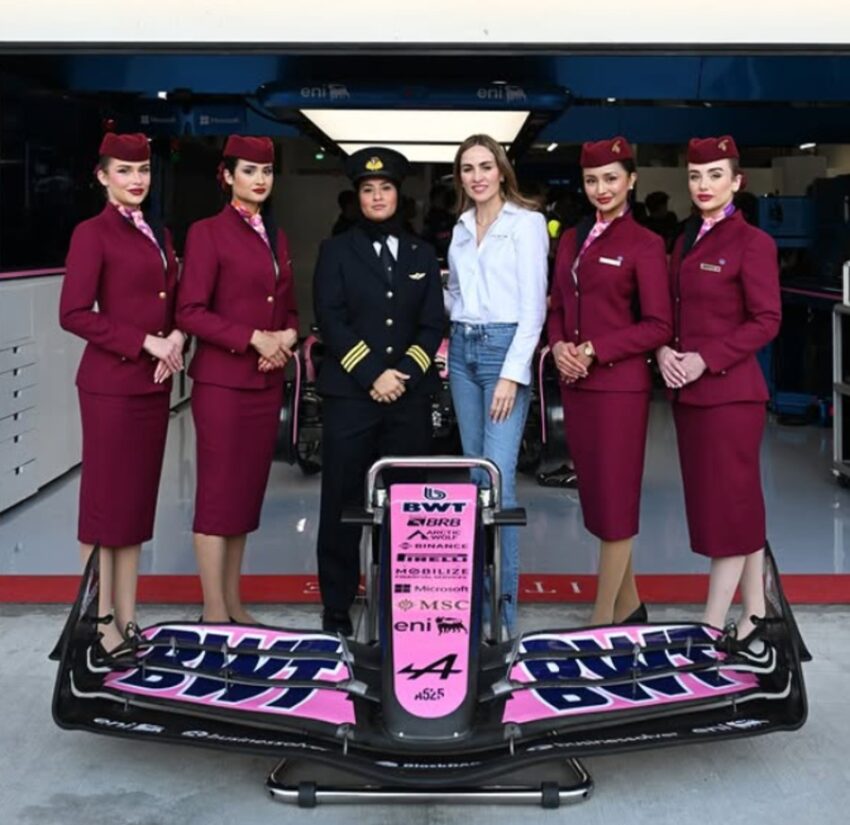
Report on the Renewed Partnership Between Qatar Airways and BWT Alpine Formula One Team
This report details the renewed partnership between Qatar Airways and the BWT Alpine Formula One Team. The collaboration is analyzed through the framework of the United Nations Sustainable Development Goals (SDGs), focusing on its contributions to gender equality, sustainable economic growth, and global partnerships.
Advancing Gender Equality and Reducing Inequalities (SDG 5 & SDG 10)
A primary objective of the partnership is to promote gender equality and inclusivity within the traditionally male-dominated field of motorsport. This initiative directly supports SDG 5 (Gender Equality) and SDG 10 (Reduced Inequalities) by actively working to increase female participation and leadership.
- Female Leadership and Mentorship: The appointment of Carmen Jorda as head of the Alpine F1 Academy and a Qatar Airways Ambassador is central to this effort. Her role is designed to mentor aspiring female drivers and champion women’s empowerment across the industry.
- Support for the F1 Academy: The partnership provides significant support to the F1 Academy and other initiatives aimed at creating pathways for women in motorsport.
- Community Outreach: Through mentorship and outreach programs, the collaboration aims to dismantle barriers and foster a more diverse and inclusive environment, attracting new talent and audiences to the sport.
Promoting Sustainable Economic Growth through Sports Tourism (SDG 8)
The alliance is strategically positioned to enhance the sports tourism sector, contributing to SDG 8 (Decent Work and Economic Growth) by stimulating economic activity in Formula 1 host cities.
- Increased Tourism and Revenue: The partnership leverages Qatar Airways’ extensive global network to facilitate travel for Formula 1 fans, thereby increasing visitor numbers and tourism-related revenue for host destinations. This includes spending on accommodation, hospitality, and local services.
- Economic Impact on Host Cities: Major events like the Qatar, Monaco, and British Grand Prix act as significant economic drivers. The collaboration amplifies this effect by promoting these races as premier global tourism attractions, supporting local economies and job creation.
- Enhanced Visitor Experience: Qatar Airways provides seamless travel options, promotional packages, and top-tier guest experiences, making international sports events more accessible and attractive to a global audience.
Fostering Partnerships for the Goals (SDG 17)
The collaboration between Qatar Airways, an aviation leader, and the BWT Alpine Formula One Team serves as a model for SDG 17 (Partnerships for the Goals). It demonstrates how cross-sectoral partnerships can achieve shared objectives related to sustainable development.
- Synergy Between Aviation and Motorsport: The partnership connects two major global industries to create new opportunities for tourism, cultural exchange, and economic growth.
- Global Reach and Connectivity: By utilizing Qatar Airways’ global network, the partnership enhances the international reach of Formula 1, connecting fans, teams, and destinations and promoting a greater understanding of different cultures.
- A Unified Vision: The joint effort showcases a commitment to leveraging sports as a platform for positive change, advancing both inclusivity within motorsport and the sustainable development of the global tourism industry.
Analysis of SDGs, Targets, and Indicators
1. Which SDGs are addressed or connected to the issues highlighted in the article?
The article highlights issues and initiatives that connect to several Sustainable Development Goals (SDGs). The primary SDGs addressed are:
- SDG 5: Gender Equality: The article strongly emphasizes the partnership’s commitment to “elevate female participation in motorsports and champion women’s empowerment.” The focus on Carmen Jorda’s role in leading “female-driver mentorship” and advancing gender equality within the F1 Academy directly aligns with this goal.
- SDG 8: Decent Work and Economic Growth: The article extensively discusses the role of the partnership in boosting “sports tourism.” It details how this collaboration drives “visitor numbers and tourism revenue for host cities,” leading to economic benefits such as increased “hotel bookings, restaurant visits, tourism-related activities, and merchandise sales.” This promotion of sustainable tourism as a driver for economic growth is a core component of SDG 8.
- SDG 17: Partnerships for the Goals: The entire article is centered on the “strategic partnership” between Qatar Airways and the BWT Alpine Formula One Team. It describes how this collaboration between the aviation and motorsport industries works towards shared objectives like promoting global tourism and inclusivity. This exemplifies the multi-stakeholder partnerships that SDG 17 aims to foster.
- SDG 9: Industry, Innovation, and Infrastructure: Although a minor point in the article, the mention of “Qatar Airways’ extensive network and commitment to sustainable aviation” connects to this goal. It touches upon the development of sustainable infrastructure (aviation) to support economic development (global tourism).
2. What specific targets under those SDGs can be identified based on the article’s content?
Based on the article’s content, the following specific SDG targets can be identified:
- Target 5.5: Ensure women’s full and effective participation and equal opportunities for leadership. The article directly supports this target by highlighting the initiative to “elevate female participation in motorsports.” The appointment of Carmen Jorda as the head of the Alpine F1 Academy and an ambassador serves as a concrete example of promoting women in leadership and mentorship roles within a traditionally male-dominated industry.
- Target 8.9: Devise and implement policies to promote sustainable tourism that creates jobs and promotes local culture and products. The partnership’s explicit goal is to enhance “sports tourism” by promoting Formula 1 events as “must-see global attractions.” The article explains how this drives the “local economy of cities that host Formula 1 events” through increased spending on hotels, restaurants, and local activities, directly aligning with the promotion of sustainable tourism for economic growth and job creation.
- Target 17.17: Encourage and promote effective public, public-private and civil society partnerships. The collaboration between Qatar Airways and the BWT Alpine Formula One Team is a clear example of a private-private partnership. The article describes it as a “unified vision” that “combines aviation and motorsport industries for the benefit of both sectors,” demonstrating how cross-industry partnerships can be leveraged to achieve broader goals like economic growth and social inclusivity.
- Target 9.4: Upgrade infrastructure and retrofit industries to make them sustainable. The article’s brief reference to “Qatar Airways’ … commitment to sustainable aviation” implies an alignment with this target, which focuses on making industries more sustainable and environmentally sound.
3. Are there any indicators mentioned or implied in the article that can be used to measure progress towards the identified targets?
The article primarily provides qualitative and activity-based indicators rather than specific quantitative data. However, several implied indicators can be used to measure progress:
- For Target 5.5 (Gender Equality):
- Qualitative Indicator: The leadership and mentorship role of Carmen Jorda in the F1 Academy. Her active promotion of female drivers serves as a measure of commitment.
- Implied Quantitative Indicator: An increase in the number and proportion of women participating in motorsports, particularly within the F1 Academy, as a result of these initiatives.
- For Target 8.9 (Sustainable Tourism):
- Implied Quantitative Indicators: The article suggests progress can be measured by tracking the “visitor numbers,” “tourism revenue,” “hotel bookings,” and “merchandise sales” in cities hosting Formula 1 events. An increase in these metrics, particularly linked to fan travel on Qatar Airways, would indicate success.
- For Target 17.17 (Partnerships):
- Qualitative Indicator: The renewal and continuation of the partnership itself. The article states, “Qatar Airways Renews New Partnership,” which indicates a successful and ongoing collaboration. The description of a “unified vision” also serves as an indicator of an effective partnership.
- For Target 9.4 (Sustainable Industry):
- Qualitative Indicator: The public “commitment to sustainable aviation” by Qatar Airways. While not detailed, this declared commitment is an initial indicator of the company’s alignment with sustainability goals.
4. Table of SDGs, Targets, and Indicators
| SDGs | Targets | Indicators |
|---|---|---|
| SDG 5: Gender Equality | Target 5.5: Ensure women’s full and effective participation and equal opportunities for leadership. | Appointment of a female leader (Carmen Jorda) for mentorship; initiatives to “elevate female participation in motorsports.” |
| SDG 8: Decent Work and Economic Growth | Target 8.9: Promote sustainable tourism that creates jobs and promotes local culture and products. | Increase in “visitor numbers,” “tourism revenue,” “hotel bookings,” and “merchandise sales” in host cities. |
| SDG 17: Partnerships for the Goals | Target 17.17: Encourage and promote effective public-private and civil society partnerships. | The renewed strategic partnership between Qatar Airways and BWT Alpine Formula One Team. |
| SDG 9: Industry, Innovation, and Infrastructure | Target 9.4: Upgrade infrastructure and retrofit industries to make them sustainable. | The stated “commitment to sustainable aviation” by Qatar Airways. |
Source: travelandtourworld.com
What is Your Reaction?
 Like
0
Like
0
 Dislike
0
Dislike
0
 Love
0
Love
0
 Funny
0
Funny
0
 Angry
0
Angry
0
 Sad
0
Sad
0
 Wow
0
Wow
0