

























Reuse system in vegetable irrigation increases water efficiency by 60%. – Hortidaily
Report on an Advanced Irrigation Reuse System and its Contribution to Sustainable Development Goals
System Overview and Technological Process
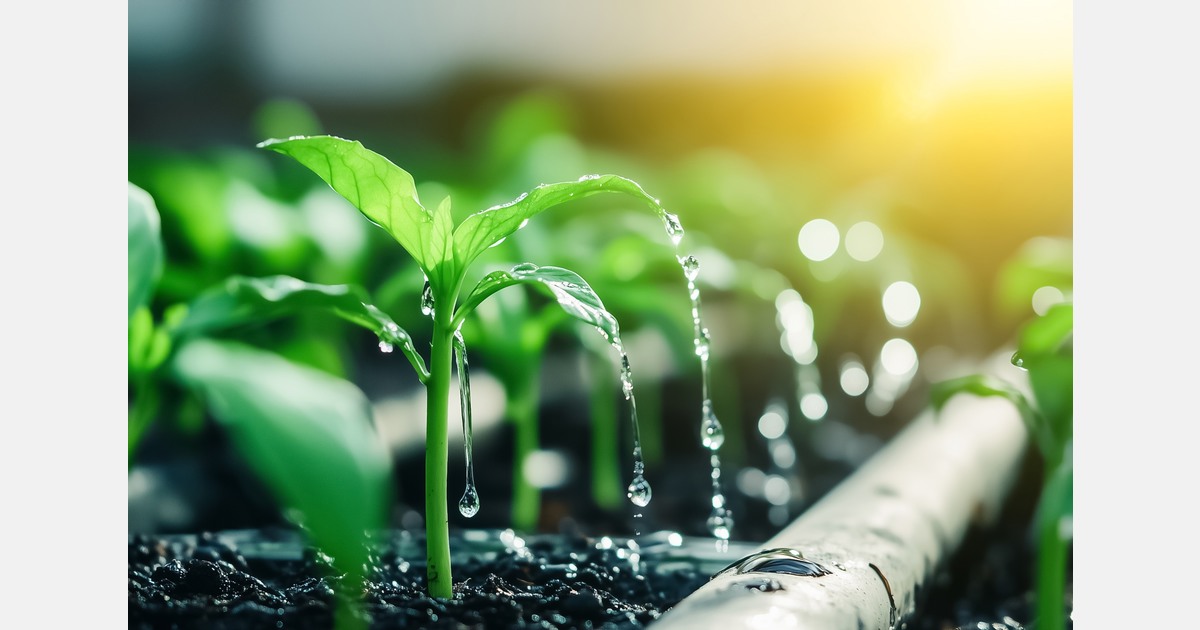
An advanced irrigation reuse system is being implemented in protected vegetable production to enhance resource efficiency and sustainability. The system operates through a four-stage process designed to conserve water and nutrients, directly contributing to several Sustainable Development Goals (SDGs).
- Collection: The nutrient solution that drains from crop pots is collected.
- Filtration: The collected solution is passed through a sand filter to remove physical impurities.
- Disinfection: Ultraviolet (UV) light is used to sterilize the filtered water, eliminating pathogens.
- Recirculation: The treated water is analyzed, nutrient levels are adjusted according to crop requirements, and it is recirculated back into the irrigation system.
Impact on Water Management and SDG 6: Clean Water and Sanitation
The system demonstrates a significant impact on sustainable water management, directly addressing the targets of SDG 6.
- Increased Water-Use Efficiency: In the Serra da Ibiapaba region, a water-stressed area, producers achieved a 61% improvement in water-use efficiency, aligning with SDG Target 6.4 (substantially increase water-use efficiency).
- Groundwater Protection: By reducing the need for groundwater extraction, the system alleviates strain on natural reserves and protects aquifers, contributing to SDG Target 6.3 (improve water quality by reducing pollution).
- Rainwater Harvesting Integration: The system’s effectiveness is amplified when combined with rainwater harvesting. Stored rainwater, due to its low salinity, can supply a 2,500-square-meter greenhouse for two full production cycles, further promoting sustainable water use.
Enhancing Food Security and SDG 2: Zero Hunger & SDG 12: Responsible Consumption and Production
The technology enhances agricultural productivity and promotes sustainable production patterns, supporting both SDG 2 and SDG 12.
- Improved Crop Yields: In grape tomato trials, the system increased production efficiency from 11.5 to 18.6 kilograms of tomatoes per cubic meter of water. This contributes to SDG 2 by producing more food with fewer resources.
- Reduced Resource Consumption: The system reduced water and nutrient losses from a typical 30% to near zero. Over a 180-day cycle, fertilizer use was cut by 29%, and associated nutrient costs fell by 24%. This aligns with SDG Target 12.2 (achieve the sustainable management and efficient use of natural resources).
- Economic Viability: While initial investment costs are higher, long-term operational expenses are reduced due to lower fertilizer and energy consumption, making sustainable practices economically attractive.
Environmental Protection and Contributions to SDG 15: Life on Land
The system provides significant environmental co-benefits by mitigating agricultural pollution and protecting local ecosystems.
- Pathogen Elimination: The sand filtration and UV sterilization process was proven to completely eliminate pathogens such as Fusarium spores. This reduces the risk of crop disease and minimizes the need for chemical treatments.
- Pollution Prevention: By preventing the improper disposal of nutrient-rich wastewater, the system protects soil and water bodies from contamination, supporting SDG Target 15.1 (ensure the conservation, restoration and sustainable use of terrestrial and inland freshwater ecosystems).
- Sustainable Supply Chains: As demonstrated by Forteagro’s use of the technology since 2025 in hydroponic leafy greens, this model supports the development of a resilient and environmentally safe vegetable supply chain.
Analysis of Sustainable Development Goals in the Article
-
Which SDGs are addressed or connected to the issues highlighted in the article?
The article highlights issues and solutions that are directly connected to several Sustainable Development Goals (SDGs). The primary focus on water efficiency, sustainable agriculture, and resource management links the content to the following SDGs:
- SDG 2: Zero Hunger: The article discusses improving the efficiency of vegetable production, which is fundamental to ensuring sustainable food production systems.
- SDG 6: Clean Water and Sanitation: This is a central theme, as the article details a water reuse system for irrigation that significantly improves water-use efficiency, protects groundwater, and treats water to remove pathogens.
- SDG 12: Responsible Consumption and Production: The system described promotes the efficient use of natural resources (water and fertilizers) and reduces waste, aligning with sustainable production patterns.
- SDG 15: Life on Land: By reducing the strain on groundwater reserves and protecting aquifers from depletion and contamination, the practices discussed contribute to the protection of freshwater ecosystems.
-
What specific targets under those SDGs can be identified based on the article’s content?
Based on the specific solutions and outcomes described, the following targets can be identified:
- Target 2.4: By 2030, ensure sustainable food production systems and implement resilient agricultural practices that increase productivity and production, that help maintain ecosystems, that strengthen capacity for adaptation to climate change, extreme weather, drought, flooding and other disasters and that progressively improve land and soil quality.
- The article’s focus on a “resilient and environmentally safe vegetable supply chain” and increasing the kilograms of tomatoes produced per cubic meter of water directly relates to implementing resilient and productive agricultural practices.
- Target 6.3: By 2030, improve water quality by reducing pollution, eliminating dumping and minimizing release of hazardous chemicals and materials, halving the proportion of untreated wastewater and substantially increasing recycling and safe reuse globally.
- The system of collecting, filtering, disinfecting, and recirculating nutrient solution is a direct example of increasing water recycling and safe reuse. The article also notes that the model “limits improper wastewater disposal.”
- Target 6.4: By 2030, substantially increase water-use efficiency across all sectors and ensure sustainable withdrawals and supply of freshwater to address water scarcity and substantially reduce the number of people suffering from water scarcity.
- The article explicitly states that the system “improved water use efficiency by 61 percent” and reduces strain on natural groundwater reserves, directly addressing this target.
- Target 12.2: By 2030, achieve the sustainable management and efficient use of natural resources.
- The technology promotes the efficient use of two key natural resources: water (61% efficiency gain) and nutrients (29% reduction in fertilizer use).
- Target 15.1: By 2020, ensure the conservation, restoration and sustainable use of terrestrial and inland freshwater ecosystems and their services, in particular forests, wetlands, mountains and drylands, in line with obligations under international agreements.
- The article mentions that the system “protects aquifers” by reducing costly and strenuous groundwater extraction, thus contributing to the sustainable use and conservation of inland freshwater ecosystems.
- Target 2.4: By 2030, ensure sustainable food production systems and implement resilient agricultural practices that increase productivity and production, that help maintain ecosystems, that strengthen capacity for adaptation to climate change, extreme weather, drought, flooding and other disasters and that progressively improve land and soil quality.
-
Are there any indicators mentioned or implied in the article that can be used to measure progress towards the identified targets?
Yes, the article provides several specific quantitative and qualitative indicators that can be used to measure progress:
- Indicator for Target 6.4 (Water-use efficiency): The article provides two direct metrics.
- The overall improvement in “water use efficiency by 61 percent.”
- The increase in crop yield per unit of water, which “raised efficiency from 11.5 to 18.6 kilograms of tomatoes per cubic meter.” This is a measure of water productivity.
- Indicator for Target 12.2 (Efficient use of natural resources): Progress is measured by the reduction in input materials.
- The system “cut fertilizer use by 29 percent over a 180-day cycle.”
- Indicator for Target 6.3 (Water reuse and quality): While not a formal UN indicator, the article implies progress through:
- The description of the reuse system itself (collection, filtration, disinfection, recirculation) serves as a qualitative indicator of implementing water recycling.
- The “complete elimination” of Fusarium spores after treatment is an indicator of improved water quality and safety for reuse.
- Indicator for Target 15.1 (Protection of freshwater ecosystems): The article provides a qualitative indicator by stating the system “protects aquifers” and reduces strain on “natural reserves,” which can be measured by monitoring groundwater levels in the region.
- Indicator for Target 6.4 (Water-use efficiency): The article provides two direct metrics.
SDGs, Targets, and Indicators Summary
| SDGs | Targets | Indicators Identified in the Article |
|---|---|---|
| SDG 2: Zero Hunger | 2.4: Ensure sustainable food production systems and implement resilient agricultural practices. | Increased production efficiency from 11.5 to 18.6 kg of tomatoes per cubic meter of water. |
| SDG 6: Clean Water and Sanitation | 6.3: Substantially increase recycling and safe reuse of water. | Implementation of a system to collect, filter, disinfect, and recirculate irrigation water; Complete elimination of Fusarium spores. |
| 6.4: Substantially increase water-use efficiency. | Water use efficiency improved by 61 percent. | |
| SDG 12: Responsible Consumption and Production | 12.2: Achieve the sustainable management and efficient use of natural resources. | Fertilizer use cut by 29 percent; Nutrient costs reduced by 24 percent. |
| SDG 15: Life on Land | 15.1: Ensure the conservation and sustainable use of inland freshwater ecosystems. | Reduced strain on natural groundwater reserves; Protection of aquifers. |
Source: hortidaily.com
What is Your Reaction?
 Like
0
Like
0
 Dislike
0
Dislike
0
 Love
0
Love
0
 Funny
0
Funny
0
 Angry
0
Angry
0
 Sad
0
Sad
0
 Wow
0
Wow
0